

A comprehensive yacht safety checklist is defined as the full set of federally required equipment, operational checks, and emergency procedures that every vessel must carry before leaving the dock. The U.S. Coast Guard sets the legal floor through its carriage rules, covering personal flotation devices, fire extinguishers, visual distress signals, and navigation lights. Getting these right protects your crew, keeps you legal, and gives your insurer nothing to argue about. At Yachtingexperts, we see safety preparation as the foundation of every great day on the water.
1. What your yacht safety checklist must cover first: PFDs
Personal flotation devices are the single most critical item on any onboard safety checklist. Federal law requires one wearable PFD per person aboard, and vessels 16 feet and longer must also carry at least one Type IV throwable device accessible from the helm. That throwable requirement exists because a conscious person in the water needs something they can grab fast, not something stored below decks.
USCG-approved PFDs run from Type I offshore life jackets to Type V special-use devices. Type I offers the most buoyancy and will turn most unconscious wearers face-up. Types II and III work well for calmer, inshore waters where rescue is quick. Type V devices, including inflatable models, only count if worn continuously.
- Type I: Offshore waters, highest buoyancy, turns unconscious wearers face-up
- Type II: Near-shore use, calm water, faster rescue expected
- Type III: Inshore and calm water, comfortable for active use
- Type IV: Throwable ring buoys or cushions, required on vessels 16 ft and longer
- Type V: Special-use, inflatable; only counts when worn
Some states go further than federal minimums. Children’s PFD requirements in several states mandate that kids wear their PFDs at all times on deck, not just have one available. Check your state’s boating authority for local rules before you cast off.
Pro Tip: Inspect every PFD at the start of each season. Squeeze inflatable bladders, check CO2 cartridges, and confirm buckles latch cleanly. A PFD that fails during a drill is far better than one that fails in open water.

2. Fire extinguisher requirements and how to stay compliant
Fire extinguisher compliance catches more boaters off guard than almost any other requirement. The USCG now uses UL 5-B and 20-B classifications instead of the older B-I and B-II labels, so older extinguishers may no longer meet current standards even if they look fine.
The quantity required depends on vessel length:
- Under 26 feet: One 5-B rated extinguisher
- 26 to under 40 feet: Two 5-B extinguishers, or one 20-B
- 40 to 65 feet: Three 5-B extinguishers, or one 20-B plus one 5-B
Here is the detail most boaters miss: fire extinguishers must be replaced every 12 years from their manufacture date, not from when you bought them. An extinguisher older than 12 years does not count toward your legal carriage requirements, regardless of how full it looks or how well the gauge reads. That manufacture date is stamped on the cylinder, and a Coast Guard boarding officer will check it.
Mount extinguishers in brackets at accessible locations throughout the vessel. The engine compartment, galley, and helm station are the three priority spots. An extinguisher buried in a storage locker defeats its entire purpose.
Pro Tip: Check the pressure gauge and inspect the pull pin monthly. If the gauge needle sits outside the green zone, replace the unit immediately. Do not wait for your annual inspection.
3. Visual distress signals: requirements, expiration, and storage
Visual distress signals are your primary way to communicate a life-threatening emergency to other vessels and aircraft. Vessels 16 feet and longer operating in coastal waters must carry at least three USCG-approved signals that are current, accessible, and not expired.
Acceptable signal types include:
- Red handheld flares: Day and night use
- Red parachute flares: Day and night use, visible from greater distances
- Orange smoke signals: Day use only
- Electric SOS distress light: Night use only, no expiration date
Pyrotechnic flares carry expiration dates printed on the casing. Expired flares do not count toward your legal minimum, and using them outside of a genuine emergency is a federal offense. Store all signals in a waterproof container mounted in an easily reached location, not at the bottom of a gear bag.
Non-pyrotechnic options like the electric SOS light have a real advantage: they never expire and require no special handling. The tradeoff is that they only work at night and lack the raw visibility of a parachute flare at distance.
Pro Tip: Keep a dedicated dry bag labeled “Distress Signals” mounted near the helm. When seconds count, you do not want to be searching through a cockpit locker.
4. Navigation lights, sound devices, and engine safety checks
Navigation lights tell other vessels your direction, speed, and status at night and in reduced visibility. The configuration required depends on vessel type and length, but every powered recreational vessel must display a red port light, a green starboard light, and a white stern light when underway after dark. Sailboats under sail alone use a different configuration. Test every light before departure, not after you lose visibility.
Sound-producing devices are federally required for all vessels. Boats under 12 meters must carry a device capable of producing a sound signal, such as a horn or whistle. Vessels 12 meters and longer must carry both a whistle and a bell. These signals communicate your position and intentions in fog, congested channels, and emergency situations.
Engine room safety is the area most frequently overlooked by leisure boaters. Gasoline-powered vessels must have functional backfire flame arrestors on carbureted engines and adequate ventilation systems to prevent explosive fuel vapor buildup. Failures in these systems are the primary cause of recreational boating fires. Run the blower for at least four minutes before starting a gasoline engine in an enclosed bilge.
Your emergency communication and medical gear round out this section:
- VHF marine radio: Channel 16 is the international distress and calling frequency. Carry a handheld backup in case the fixed unit fails.
- EPIRB or PLB: An Emergency Position Indicating Radio Beacon transmits your GPS coordinates to rescue services automatically.
- First aid kit: Stock it with marine-specific supplies including seasickness medication, wound care, and CPR instructions.
- Float plan: File one with a trusted contact ashore before every offshore trip. Include your route, expected return time, and vessel description.
Pro Tip: Test your VHF radio on a non-emergency channel before every trip. A dead radio in a storm is worse than no radio at all because you assume you have communication when you do not.
5. How to use a pre-departure safety checklist effectively
A physical or digital checklist beats relying on memory every single time. The human brain under stress skips steps. A written checklist does not. Use it before every departure, not just on long passages.
Here is a practical pre-departure routine:
- Verify documentation: Registration, insurance, and operator license must be aboard and current.
- Check PFDs: Count them, confirm sizing for all passengers, and verify the Type IV throwable is at the helm.
- Inspect fire extinguishers: Check manufacture dates, gauge pressure, and mounting security.
- Test navigation lights: Run through every light configuration at the helm panel.
- Confirm distress signals: Check expiration dates and confirm the storage location is accessible.
- Run the blower: Four minutes minimum before starting a gasoline engine.
- Test the VHF radio: Confirm Channel 16 reception and transmit function.
- Brief your crew: Walk every passenger through PFD locations, the throwable device, and the fire extinguisher positions.
The U.S. Coast Guard Auxiliary offers free, confidential Vessel Safety Checks that verify your compliance without any penalty. These voluntary checks are one of the smartest preparation tools available. An Auxiliarist will walk your vessel and flag anything that falls short of current USCG carriage rules before an official boarding officer does.
Yachts carrying more than six passengers require a Certificate of Inspection and annual USCG surveys, placing them in a different compliance category than private recreational vessels. Know which category applies to your vessel.
Pro Tip: Schedule a Vessel Safety Check every spring before the season starts. It costs nothing, takes about 30 minutes, and gives you a documented record of compliance.
Key takeaways
A complete yacht safety checklist covers federally required equipment, proper storage and accessibility, and crew briefings before every departure.
| Point | Details |
|---|---|
| PFDs are non-negotiable | One wearable PFD per person, plus one Type IV throwable on vessels 16 ft and longer. |
| Fire extinguisher age matters | Replace extinguishers every 12 years from manufacture date, not purchase date. |
| Distress signals expire | Pyrotechnic flares must be current; expired signals do not count toward legal minimums. |
| Engine safety is often missed | Run the blower four minutes before starting a gasoline engine to clear fuel vapors. |
| Vessel Safety Checks are free | U.S. Coast Guard Auxiliary checks are confidential, penalty-free, and highly recommended annually. |
What I’ve learned from years of watching boaters get this wrong
The most common mistake I see is treating the safety checklist as a one-time purchase rather than an ongoing practice. A boater buys the right gear, stows it properly once, and then never checks it again. Two seasons later, the fire extinguisher is past its manufacture date, the flares are expired, and the PFD inflator cartridge has corroded. Everything looks fine from the outside. Nothing works when it counts.
The second pattern I notice is the gap between meeting USCG minimums and actually being prepared. ABYC standards regularly exceed federal minimums, covering electrical systems, fuel lines, and fire suppression in more detail. Insurers and surveyors use ABYC as their benchmark. If you plan to sell your vessel or charter it, ABYC compliance adds real value and reduces friction at survey time.
The third thing I advocate for is crew briefings on every trip, even with the same people. Guests forget where the throwable PFD is. Crew members who were briefed six months ago do not remember the VHF procedure. A two-minute walkthrough before departure has saved lives. It takes less time than backing out of the slip.
The yacht inspection checklist process taught me that safety gear accessibility is the variable that separates a manageable emergency from a fatal one. Equipment buried under personal items or behind a locked panel is equipment that does not exist in a crisis. Mount it, label it, and keep the path to it clear.
— Jason
Yachtingexperts and your safety preparation
Safety compliance is not just a legal box to check. It directly affects your vessel’s value, insurability, and your ability to sell or trade up when the time comes. At Yachtingexperts, our team reviews safety documentation and equipment status as part of every yacht management consultation, so nothing catches you off guard at survey or during a sale.

We work with boaters at every level, from first-time buyers building their safety kit from scratch to experienced owners preparing for a pre-sale inspection. Our detail-oriented approach means we catch the things most people overlook, including manufacture dates, state-specific PFD rules, and ABYC compliance gaps. Reach out to the Yachtingexperts team and let us help you get your vessel fully prepared, protected, and ready for the water.
FAQ
What equipment is required on every recreational yacht?
Every recreational vessel must carry USCG-approved PFDs for all passengers, fire extinguishers rated to vessel size, visual distress signals, navigation lights, and a sound-producing device. Gasoline-powered boats also require a backfire flame arrestor and ventilation system.
How often should I replace fire extinguishers on my boat?
Fire extinguishers must be replaced every 12 years from their manufacture date, not their purchase date. Units older than 12 years do not count toward legal carriage requirements regardless of gauge reading or condition.
Do flares expire on a yacht?
Yes. Pyrotechnic flares carry printed expiration dates and do not count toward your legal minimum once expired. An electric SOS distress light is a non-expiring alternative, though it is approved for night use only.
What is a Vessel Safety Check and is it mandatory?
A Vessel Safety Check is a free, confidential inspection offered by the U.S. Coast Guard Auxiliary to verify that your vessel meets current safety equipment requirements. It is voluntary and carries no penalty, making it one of the best preparation tools available to recreational boaters.
When does a yacht need a Certificate of Inspection?
Yachts carrying more than six passengers are classified as inspected vessels and require a Certificate of Inspection along with annual USCG surveys. Private recreational vessels carrying six or fewer passengers fall under different, less stringent carriage rules.
Recommended
Request A Call
Featured Listings

2027 Canados
100
Miami Florida

2015 Maiora
$3,750,000
90
Miami Florida

2027 Canados
57
Miami Florida
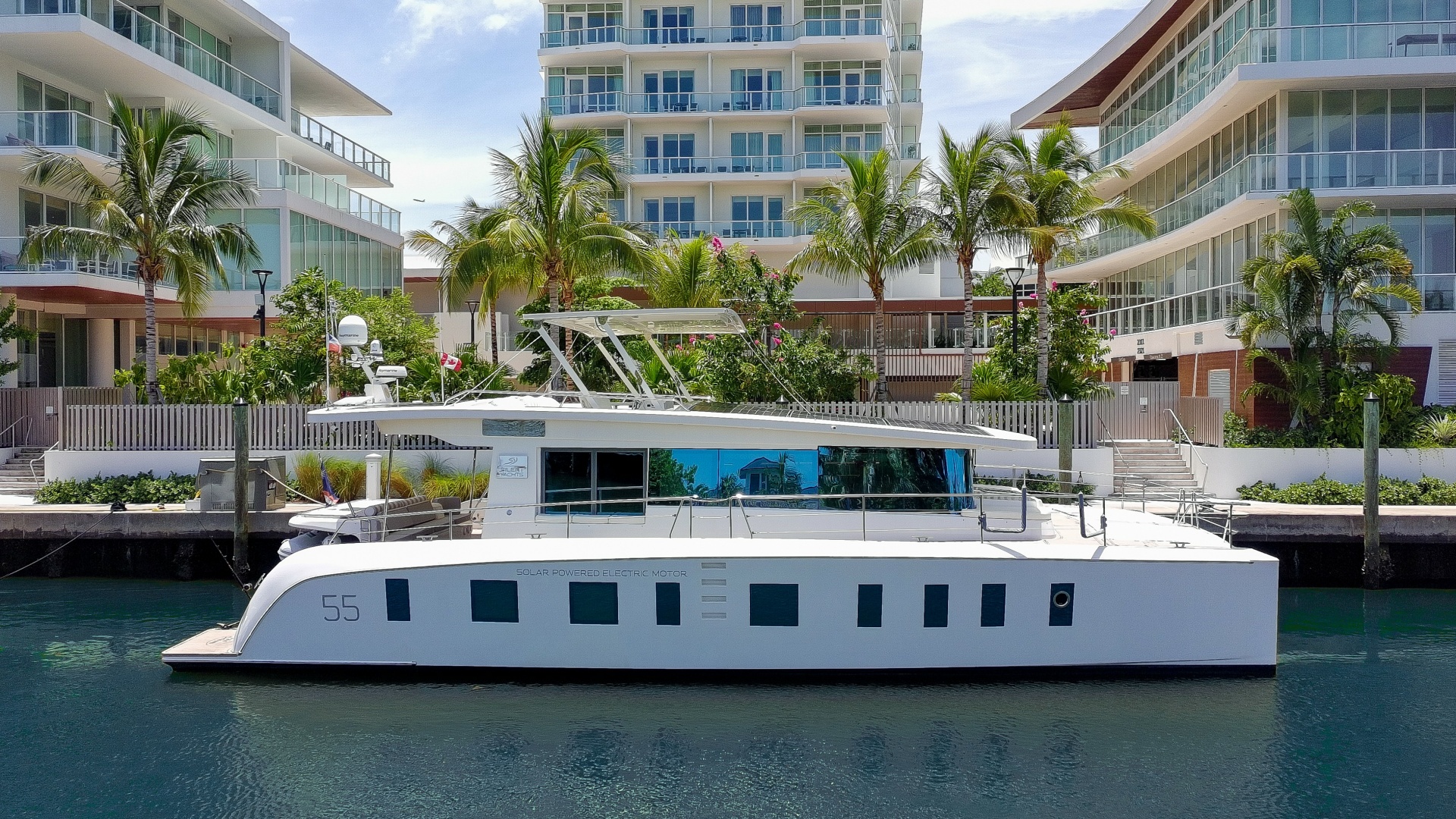
2019 Silent-Yachts Fair Dinkum
$1,599,000
55
Fort Lauderdale Florida

2026 Canados
49
Miami Florida

2026 Buddy Davis
47
Miami Florida
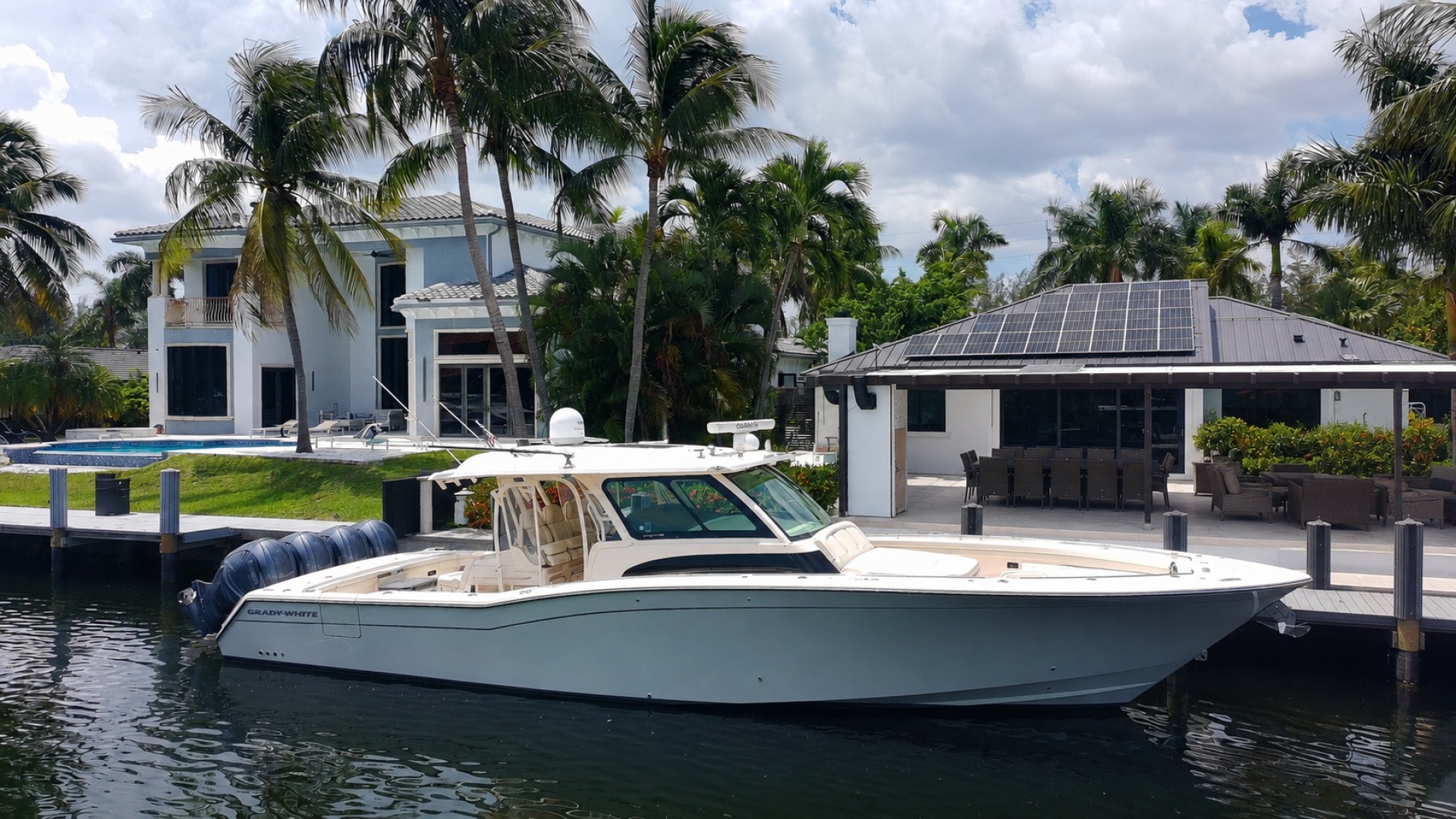
2020 Grady-White No Name
$610,000
45
Hallandale Beach Florida
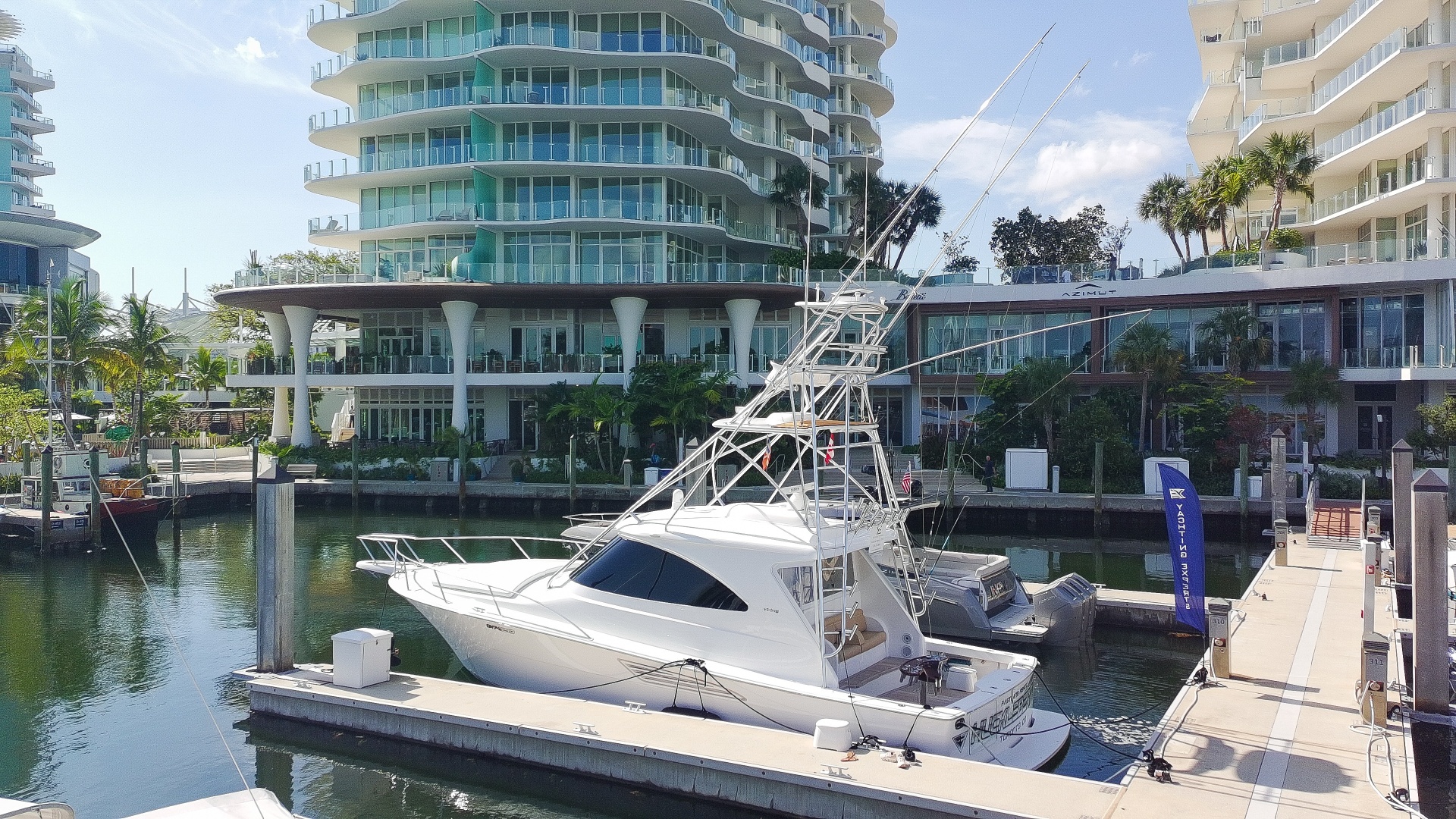
2020 Viking Huckleberry
$1,495,000
44
Fort Lauderdale Florida

2027 Canados
43
Miami Florida
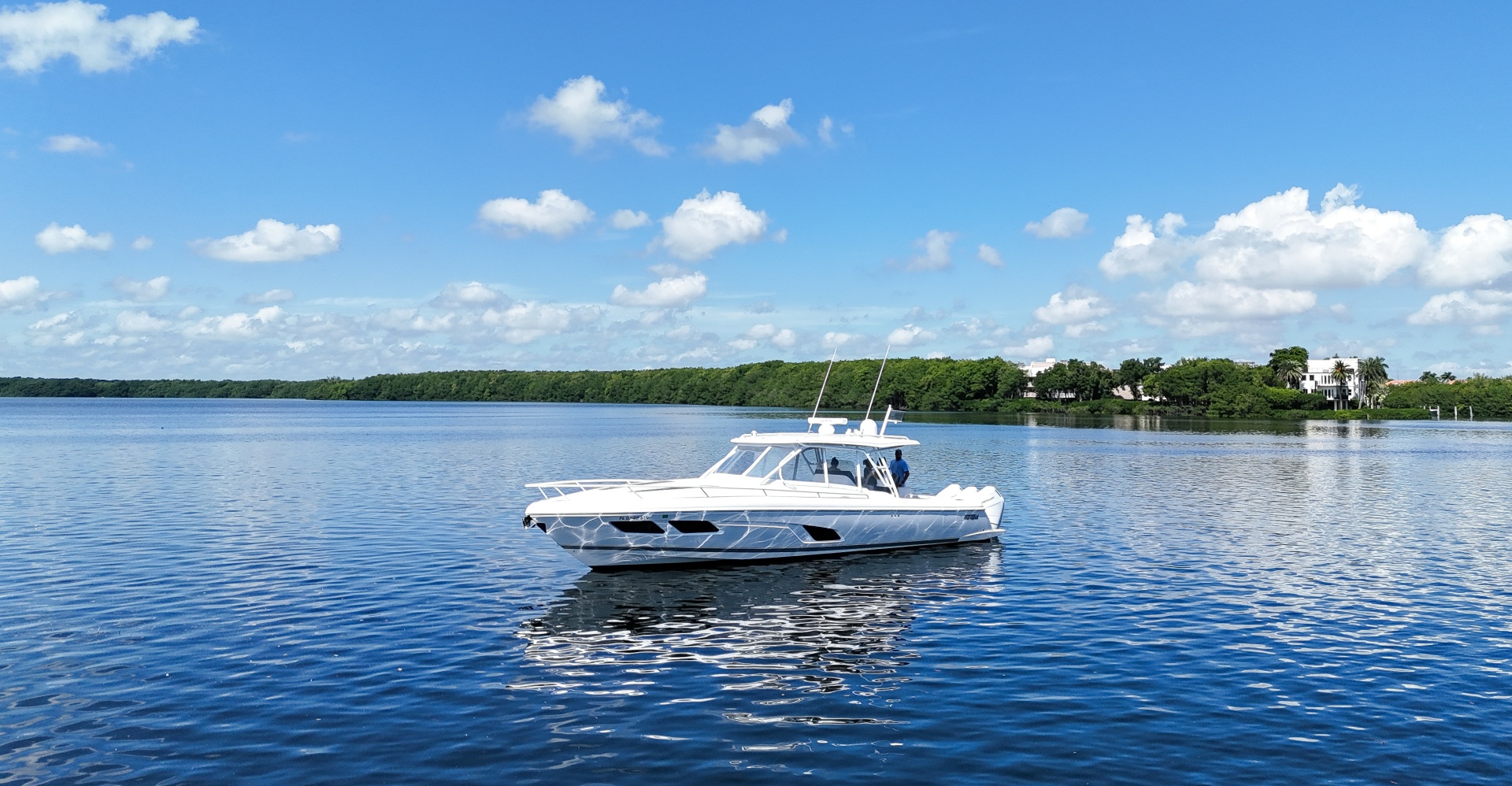
2021 Intrepid Dream Faster
$730,000
40
Coral Gables Florida

2016 Edgewater
$299,000
37
Miami, Florida

2022 Avid
$56,900
23
Stuart Florida
Get your yacht value Estimate
"*" indicates required fields