

Yacht negotiation isn’t just about haggling over price. It’s a strategic process rooted in market knowledge, timing, and clear communication that can dramatically impact your investment returns. Many buyers and sellers in Florida’s luxury yacht market mistakenly approach negotiations emotionally, leaving thousands or even millions on the table. Understanding proven negotiation frameworks tailored to Florida’s unique yachting landscape empowers you to secure better deals whether you’re acquiring your dream vessel or maximizing returns when selling. This guide reveals tactical approaches that transform yacht transactions from stressful gambles into calculated wins.
Table of Contents
- Key takeaways
- Understanding the Florida yacht market: foundation for negotiation
- Essential yacht negotiation techniques for buyers and sellers
- Comparing direct negotiation versus using yacht brokers in Florida
- Advanced strategies and common pitfalls in yacht negotiations
- Enhance yacht negotiations with expert support
- FAQ
Key Takeaways
| Point | Details |
|---|---|
| Market knowledge foundation | Understanding Florida’s yacht market dynamics, including seasonality and value drivers, equips negotiators to leverage position. |
| Seasonal pricing patterns | Demand peaks in winter for northern buyers and seasonals, creating price variations negotiators can exploit. |
| Preparation and budgeting | Buyers should set maximum budgets that include surveys, insurance, and maintenance, while researching comparable sales to anchor expectations. |
| Comparables and brokers | Cross referencing asking prices with recent sales and enlisting expert brokers adds measurable value to the negotiation process. |
Understanding the Florida yacht market: foundation for negotiation
Successful yacht negotiation begins with comprehensive market knowledge. Florida’s yacht market operates with distinct seasonal patterns, regional preferences, and value drivers that directly influence negotiation leverage. Understanding these dynamics separates strategic negotiators from those who rely on guesswork.
Florida’s yacht market experiences peak demand during winter months when northern buyers seek warmer waters and seasonal residents arrive. This seasonal flux creates pricing variations that savvy negotiators exploit. Summer months typically see reduced activity, potentially favoring buyers with patient strategies. Yacht valuation methods account for these temporal factors alongside vessel-specific attributes.
Several critical factors determine yacht values in Florida’s market. Age and condition rank highest, with well-maintained vessels commanding premium prices regardless of years afloat. Brand reputation significantly impacts perceived value, as established manufacturers like Azimut, Sunseeker, and Viking carry recognition that translates to negotiation strength. Features and upgrades, from navigation systems to interior renovations, add quantifiable value when properly documented. Engine hours, maintenance records, and survey results provide objective data points that anchor realistic negotiations.
| Yacht type | Average Florida sale price | Typical negotiation range |
|---|---|---|
| 40-50 ft motor yacht | $350,000-$650,000 | 5-12% below asking |
| 50-65 ft motor yacht | $800,000-$1,800,000 | 7-15% below asking |
| 65-80 ft motor yacht | $2,000,000-$4,500,000 | 8-18% below asking |
| 80+ ft motor yacht | $5,000,000+ | 10-20% below asking |
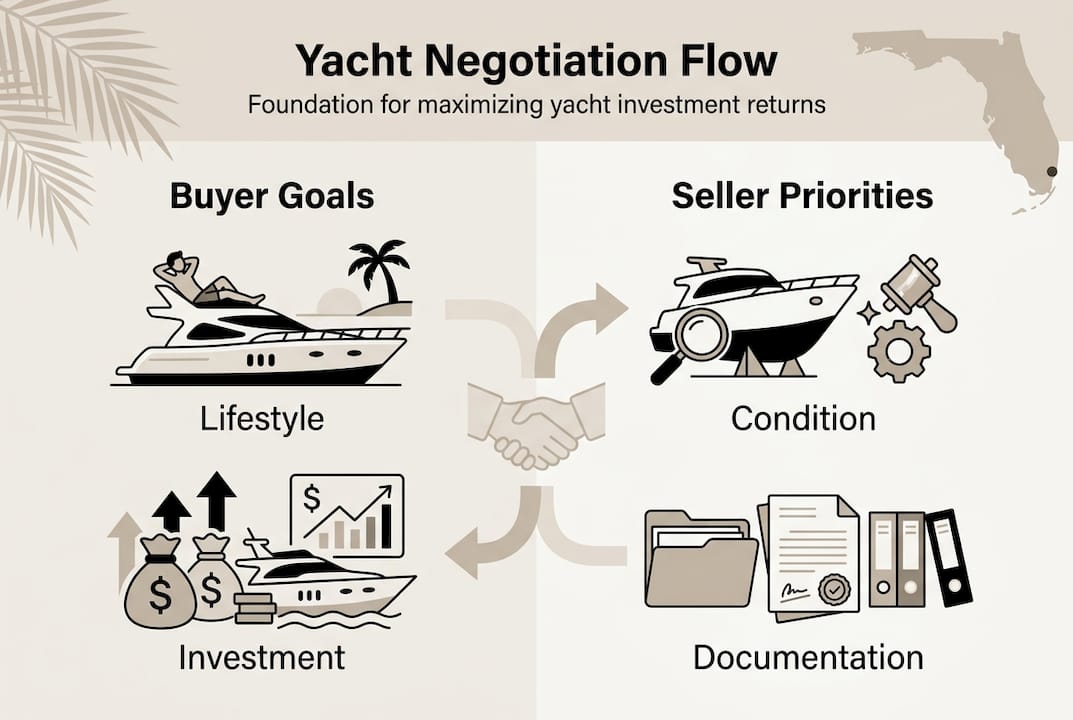
Buyer motivations in Florida range from lifestyle aspirations to investment diversification. Understanding whether a buyer seeks a primary residence, charter income potential, or recreational enjoyment helps sellers position negotiations effectively. Seller motivations equally vary: upgrading to larger vessels, liquidating assets, or responding to life changes. Recognizing these underlying drivers allows both parties to craft mutually beneficial terms.
Pro Tip: Always cross-reference asking prices with recent comparable sales to avoid overpaying or undervaluing. Florida’s yacht market data is accessible through marine surveys, broker networks, and online platforms that track actual transaction prices, not just listings.
Local market knowledge proves invaluable when tailoring negotiation strategy. Miami’s international buyer pool differs from Fort Lauderdale’s charter-focused market, while Gulf Coast preferences lean toward fishing and cruising vessels. Recognizing these regional nuances positions negotiators to emphasize relevant features and anticipate counterparty priorities. Market trends and yacht valuation insights provide the foundation for every successful negotiation conversation.
Essential yacht negotiation techniques for buyers and sellers
Effective yacht negotiation requires methodical preparation combined with adaptive communication skills. Both buyers and sellers benefit from structured approaches that balance assertiveness with flexibility.
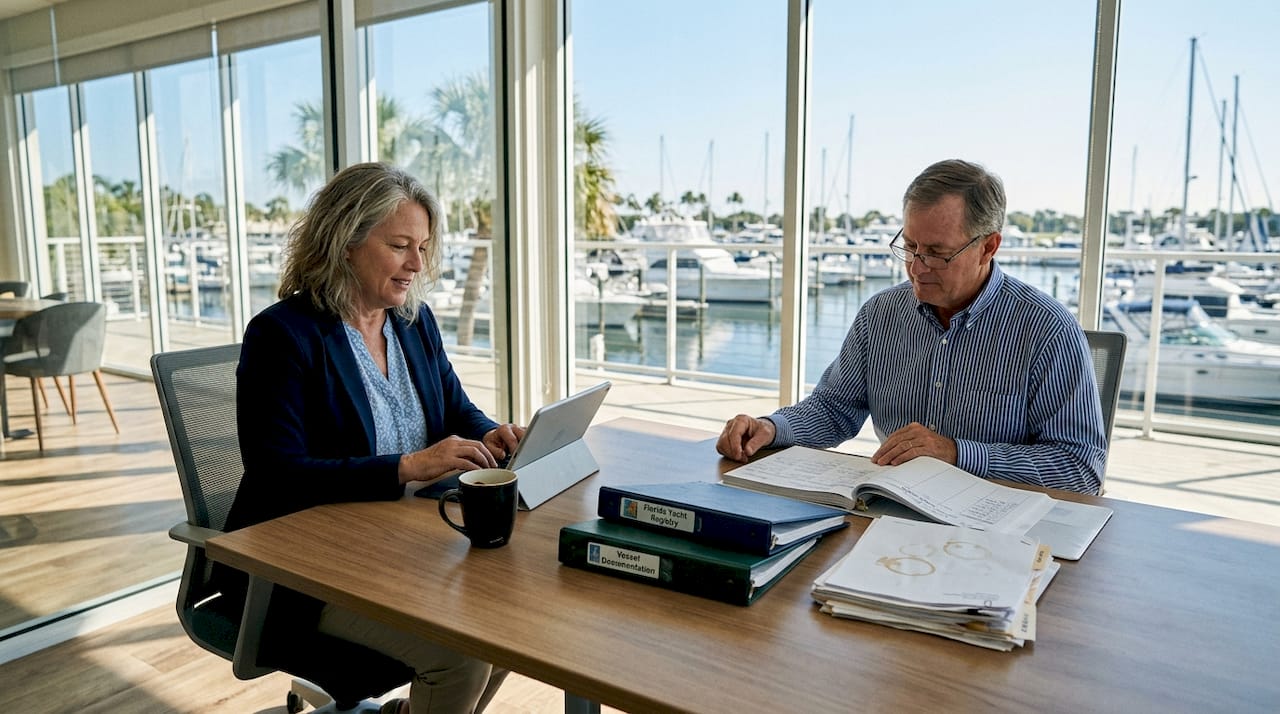
Preparation separates successful negotiators from disappointed ones. Buyers should establish maximum budgets including acquisition costs, surveys, insurance, and initial maintenance. Researching comparable sales provides realistic price expectations and identifies negotiation benchmarks. Sellers must gather comprehensive documentation: maintenance logs, upgrade receipts, survey reports, and ownership history. Setting target prices with acceptable ranges creates clear decision frameworks before emotional negotiations begin.
Communication excellence drives negotiation outcomes. Active listening reveals unstated priorities and concerns that savvy negotiators address strategically. Asking open-ended questions uncovers motivations: “What timeline works best for your transition?” or “Which features matter most for your intended use?” Signaling willingness to compromise without immediately conceding builds collaborative momentum. Clear communication and well-planned tactics help secure better deals by establishing trust and mutual respect.
Key negotiation tactics proven effective in yacht transactions include:
- Anchoring: Making the first offer establishes a reference point that influences subsequent counteroffers
- Strategic concessions: Trading lower-value items for higher-priority gains creates perceived wins for both parties
- BATNA development: Knowing your Best Alternative To a Negotiated Agreement prevents accepting unfavorable terms under pressure
- Silence utilization: Pausing after offers or counteroffers prompts the other party to fill gaps, often revealing valuable information
- Package proposals: Bundling terms like price, closing timeline, and included equipment simplifies complex negotiations
The yacht negotiation process in Florida typically follows this sequence:
- Initial contact and interest expression with preliminary price discussions
- Survey scheduling and completion to establish objective vessel condition
- Formal offer submission based on survey findings and market research
- Counteroffer exchange addressing price, terms, and contingencies
- Final negotiation resolving remaining gaps through strategic concessions
- Contract execution with clear documentation of all agreed terms
- Closing coordination including title transfer, payment, and delivery logistics
Pro Tip: Don’t rush; timing your offer can increase leverage, especially in high-demand periods. Buyers who demonstrate patience during peak seasons often secure better terms as sellers face carrying costs and seasonal transitions. Conversely, sellers who list during optimal windows command stronger negotiating positions.
Recognizing signals from the other party enhances negotiation effectiveness. Quick responses to offers suggest strong interest or urgency. Requests for extended due diligence periods may indicate financing concerns or competing options. Willingness to negotiate non-price terms like closing dates or equipment inclusion often signals price flexibility. Observing these cues allows adaptive strategy adjustments that maximize outcomes. Using yacht experts in negotiations provides access to professionals skilled at reading and responding to these subtle indicators.
Comparing direct negotiation versus using yacht brokers in Florida
Choosing between direct negotiation and broker representation significantly impacts transaction outcomes. Each approach offers distinct advantages depending on your experience, time availability, and deal complexity.
| Factor | Direct negotiation | Broker-assisted negotiation |
|---|---|---|
| Cost | No commission (typically 10%) | 10% commission on sale price |
| Market knowledge | Requires independent research | Broker provides current data |
| Buyer/seller network | Limited to personal contacts | Access to qualified prospects |
| Negotiation expertise | Depends on personal skill | Professional negotiation tactics |
| Time investment | Substantial personal commitment | Broker handles logistics |
| Legal/regulatory guidance | Self-managed compliance | Broker ensures proper procedures |
| Transaction complexity | Higher risk of oversights | Streamlined professional process |
Yacht brokers add measurable value through specialized market knowledge that individual buyers and sellers rarely possess. Brokers typically improve outcomes by leveraging market expertise and negotiation experience accumulated across hundreds of transactions. Their professional networks connect sellers with qualified, pre-screened buyers, reducing time on market and minimizing unproductive negotiations. Brokers handle complex logistics including documentation, survey coordination, sea trials, and closing procedures that overwhelm first-time participants.
The financial calculation extends beyond simple commission percentages. Brokers often secure higher net proceeds for sellers by accessing broader buyer pools and positioning vessels competitively. Their negotiation skills frequently recover commission costs through stronger final prices. For buyers, broker guidance prevents costly mistakes like overlooking mechanical issues or overpaying relative to market conditions. The time savings alone justifies broker fees for busy professionals who value efficiency.
Direct negotiation makes sense in specific situations. Buyers and sellers with extensive yachting experience and market knowledge may prefer retaining full control. Transactions between acquaintances where trust already exists can proceed smoothly without intermediaries. Unique vessels with limited comparable sales may benefit from direct discussions between knowledgeable parties. Budget-conscious participants willing to invest substantial time researching and managing details can potentially save commission costs.
When deciding your negotiation approach, consider these questions:
- Do you have current knowledge of Florida yacht market conditions and pricing trends?
- Can you dedicate significant time to marketing, showings, and negotiation conversations?
- Are you comfortable navigating legal documentation, title transfers, and regulatory requirements?
- Do you have access to qualified buyers or desirable vessels through existing networks?
- Does your negotiation experience include high-value asset transactions?
Honest answers guide optimal method selection. Benefits of yacht brokers become particularly evident in complex transactions involving financing, international buyers, or vessels requiring specialized marketing. Their expertise transforms potentially stressful experiences into smooth, professionally managed processes that protect your investment.
Advanced strategies and common pitfalls in yacht negotiations
Mastering advanced negotiation tactics while avoiding frequent mistakes separates exceptional outcomes from mediocre results. Sophisticated negotiators leverage every available tool to maximize investment returns.
Advanced tactics include strategically using inspection findings as negotiation leverage. Professional surveys invariably reveal maintenance items or upgrade opportunities. Savvy buyers quantify these findings with repair estimates, then negotiate price reductions or seller-funded corrections. This approach transforms objective data into concrete value adjustments. Financing terms offer another sophisticated lever: flexible payment structures, earnest money amounts, or closing timelines can bridge price gaps when direct discounts stall.
Timing and patience function as powerful negotiation tools often underutilized by anxious participants. Buyers who monitor listings over weeks or months identify price reductions signaling seller motivation. Submitting offers after extended market exposure increases acceptance likelihood. Sellers who resist panic pricing during slow periods maintain value integrity, attracting serious buyers willing to pay fair market rates. Strategic patience requires discipline but consistently delivers superior returns.
Common negotiation pitfalls derail otherwise promising transactions. Emotional decision-making tops the list, as buyers fall in love with vessels before completing due diligence or sellers reject reasonable offers based on sentimental attachment rather than market reality. Ignoring market data leads to unrealistic expectations that prolong negotiations or kill deals entirely. Poor preparation manifests as incomplete documentation, vague objectives, or inadequate financial planning that undermines credibility.
Top five negotiation mistakes to avoid:
- Accepting the first offer without strategic counterproposal consideration
- Failing to document agreed terms in writing, leading to disputes during closing
- Neglecting professional surveys that reveal costly hidden issues
- Disclosing maximum budgets or minimum acceptable prices prematurely
- Allowing ego or pride to override rational economic analysis
Pro Tip: Always confirm all agreed terms in writing to prevent misunderstandings. Verbal agreements create ambiguity that surfaces during closing, potentially unraveling deals or creating legal disputes. Written documentation protects both parties and ensures shared understanding of price, inclusions, contingencies, and timelines.
Preparation and strategic patience consistently outperform aggressive tactics in yacht negotiations. The best deals emerge when both parties feel respected and believe they achieved fair value, creating foundations for positive long-term relationships within Florida’s close-knit yachting community.
Avoiding common pitfalls significantly affects final negotiation outcomes by preserving deal momentum and maintaining professional credibility. Experienced negotiators recognize that yacht transactions often involve repeat players, where reputation matters beyond individual deals. Treating counterparties fairly, honoring commitments, and maintaining transparency builds social capital that pays dividends across future transactions. Boosting yacht sale value tips emphasize preparation quality as the single greatest predictor of negotiation success, whether buying or selling.
Enhance yacht negotiations with expert support
Navigating Florida’s competitive yacht market demands expertise that most buyers and sellers develop only through costly trial and error. Professional yacht brokers and managers transform complex negotiations into streamlined transactions that maximize your investment returns while minimizing stress and risk.
Yachting Experts specializes in personalized service centered on your specific yachting dreams and financial objectives. Our team holds your hand through every negotiation phase, applying market intelligence and proven tactics that secure optimal outcomes. When selling, we position your vessel to attract qualified buyers and negotiate prices that maximize your return on investment. Our keen eye for detail ensures nothing falls through the cracks during critical negotiation and closing phases.

Our comprehensive Florida services extend beyond sales negotiations. Charter management services generate income that offsets ownership costs while maintaining your vessel in peak condition. Yacht management services protect your investment through proactive maintenance and expert oversight. Whether you’re buying your first yacht or trading up to a larger vessel, our yacht sales process guide demonstrates how professional support delivers superior results. Partner with Yachting Experts to gain the competitive advantage that transforms your yachting investment into lasting value and unforgettable experiences on Florida’s beautiful waters.
FAQ
What are the top yacht negotiation strategies for buyers?
Buyers should thoroughly research market values using recent comparable sales data and establish clear maximum budgets before negotiations begin. Effective communication that asks open-ended questions reveals seller motivations, while strategic timing during off-peak seasons increases leverage. Yacht expert benefits include access to market intelligence and professional negotiation skills that consistently improve buyer outcomes.
How can sellers maximize returns during yacht negotiations?
Sellers maximize returns by presenting yachts in optimal condition with comprehensive documentation including maintenance records and recent surveys. Setting realistic prices based on current market valuations attracts serious buyers while leaving room for strategic negotiation. Being open to reasonable concessions on non-price terms like closing timelines often secures higher final prices. Boat sale value boost tips demonstrate how preparation directly correlates with stronger negotiation positions and higher closing prices.
Is it better to negotiate directly or use a broker in Florida?
Using brokers provides significant advantages through market expertise, qualified buyer networks, and professional negotiation experience that individual sellers rarely possess. Brokers handle complex logistics and often secure higher net proceeds that offset commission costs. Direct negotiation may save commission fees but requires substantial time investment and market knowledge. Using yacht brokers typically delivers superior outcomes for most buyers and sellers, particularly in complex transactions or competitive market conditions.
How much below asking price should I offer on a yacht in Florida?
Initial offers typically range from 5% to 20% below asking price depending on vessel size, time on market, and condition. Smaller yachts under 50 feet generally see tighter negotiation ranges around 5-12%, while larger vessels over 80 feet often involve 10-20% reductions. Market conditions, survey findings, and seller motivation all influence appropriate offer levels. Research comparable sales and consult market data to determine strategic opening positions that initiate productive negotiations without insulting sellers.
What role does timing play in yacht negotiations?
Timing significantly impacts negotiation leverage and outcomes in Florida’s seasonal yacht market. Winter months bring peak demand as northern buyers arrive, strengthening seller positions and supporting higher prices. Summer’s reduced activity favors patient buyers who can negotiate better terms with motivated sellers facing carrying costs. Submitting offers after vessels sit on market for extended periods increases acceptance likelihood, as sellers become more flexible. Strategic timing of counteroffers and responses also influences negotiation dynamics, with thoughtful pauses often prompting concessions from anxious counterparties.
Recommended
Request A Call
Featured Listings

2027 Canados
100
Miami Florida

2015 Maiora
$3,750,000
90
Miami Florida

2027 Canados
57
Miami Florida

2019 Silent-Yachts Fair Dinkum
$1,599,000
55
Fort Lauderdale Florida

2026 Canados
49
Miami Florida

2026 Buddy Davis
47
Miami Florida

2020 Grady-White No Name
$610,000
45
Hallandale Beach Florida

2020 Viking Huckleberry
$1,495,000
44
Fort Lauderdale Florida

2027 Canados
43
Miami Florida

2021 Intrepid Dream Faster
$730,000
40
Coral Gables Florida

2016 Edgewater
$299,000
37
Miami, Florida

2022 Avid
$56,900
23
Stuart Florida
Get your yacht value Estimate
"*" indicates required fields