

Yacht engine service in Florida is defined as the scheduled inspection, maintenance, and repair of marine propulsion systems adapted to the state’s warm, saline, and year-round operating environment. Florida’s boating culture is unlike anywhere else in the country. Your vessel never gets a winter break, the water is corrosive, and the sun accelerates wear on every component. Marine engine service in this state demands a different standard than seasonal boating markets, and understanding that standard is the first step toward protecting your investment.
Why does Florida’s climate require specialized yacht engine maintenance?
Florida’s warm, saline waters accelerate corrosion and marine growth faster than any temperate boating environment in the country. Salt penetrates exhaust manifolds, heat exchangers, and raw water cooling systems. The result is accelerated wear on components that would last years longer in freshwater or seasonal-use vessels.
Year-round operation magnifies wear caused by thermal stress, corrosion, and mechanical strain. A yacht in Fort Lauderdale or Miami accumulates engine hours at a pace that compresses what northern owners spread across a full season into just a few months. That compression means your maintenance calendar cannot follow a traditional seasonal schedule.
Hull fouling is a direct engine problem, not just a cosmetic one. Barnacle and algae buildup increases drag, which forces your engine to work harder to maintain speed. That added load raises operating temperatures and shortens the life of impellers, belts, and cooling components.
Most yacht engine emergencies stem from deferred maintenance rather than unavoidable failures. Preventative programs catch small issues before they become expensive breakdowns. Blackline Marine Group, a Fort Lauderdale-based marine service firm, emphasizes that proactive inspection is the single most effective way to reduce emergency repair costs.
- Monitor engine hours after every outing, not just monthly
- Check raw water strainers weekly in warm months when marine growth peaks
- Inspect zinc anodes every 30 days in saltwater docks
- Watch for white exhaust smoke, which signals a coolant leak in the early stage
Pro Tip: Set an engine hour alert at 80% of your manufacturer’s recommended service interval. Catching wear early in Florida’s environment costs a fraction of what a mid-water breakdown does.
What are the recommended service intervals and procedures in Florida?
Yacht engine service should be performed at least once per year, with adjustments based on engine hours logged. High-use yachts in Florida often require service every 100–150 engine hours rather than waiting for an annual date on the calendar. Bayside Marine Repair, a Florida-based provider, confirms that year-round warm water operation demands shorter inspection windows than manufacturers design for temperate climates.
| Service Type | Trigger Interval | Florida Adjustment |
|---|---|---|
| Engine oil and filter change | Every 100 hours or annually | Every 80–100 hours due to heat load |
| Coolant system inspection | Annually | Every 6 months for year-round vessels |
| Fuel filter replacement | Every 200 hours | Every 150 hours in humid conditions |
| Impeller replacement | Annually | Every season or 200 hours |
| Zincs and anodes | Every 6 months | Every 30–60 days in saltwater slips |
| Full engine diagnostics | Annually | After any unusual performance change |
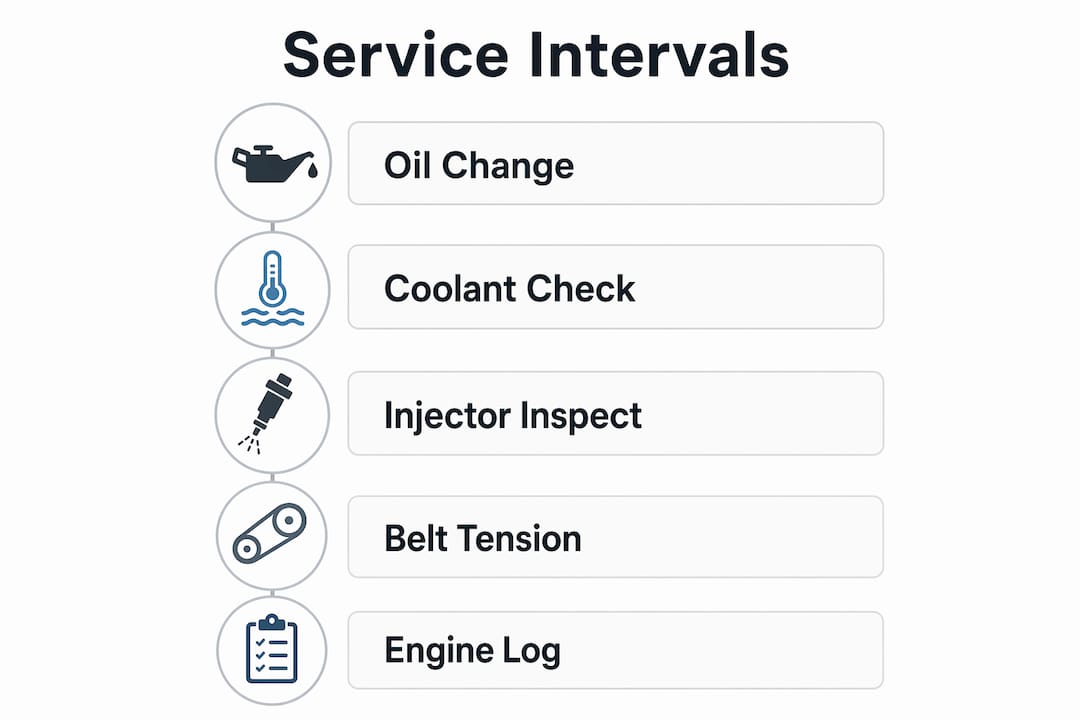
Inboard diesel engines, common on larger yachts, require coolant checks, injector inspections, and belt tension reviews at each service. Outboard engines need gear oil changes, spark plug inspections, and fuel system checks on a tighter schedule because they are fully exposed to saltwater spray.
Dockside mobile service providers in Florida typically respond within 1–2 business days, with premium providers offering responses within 2 hours for urgent needs. Mobile service works well for routine maintenance and minor repairs. Major work, such as injector overhauls or transmission rebuilds, requires a yard with factory-certified equipment.
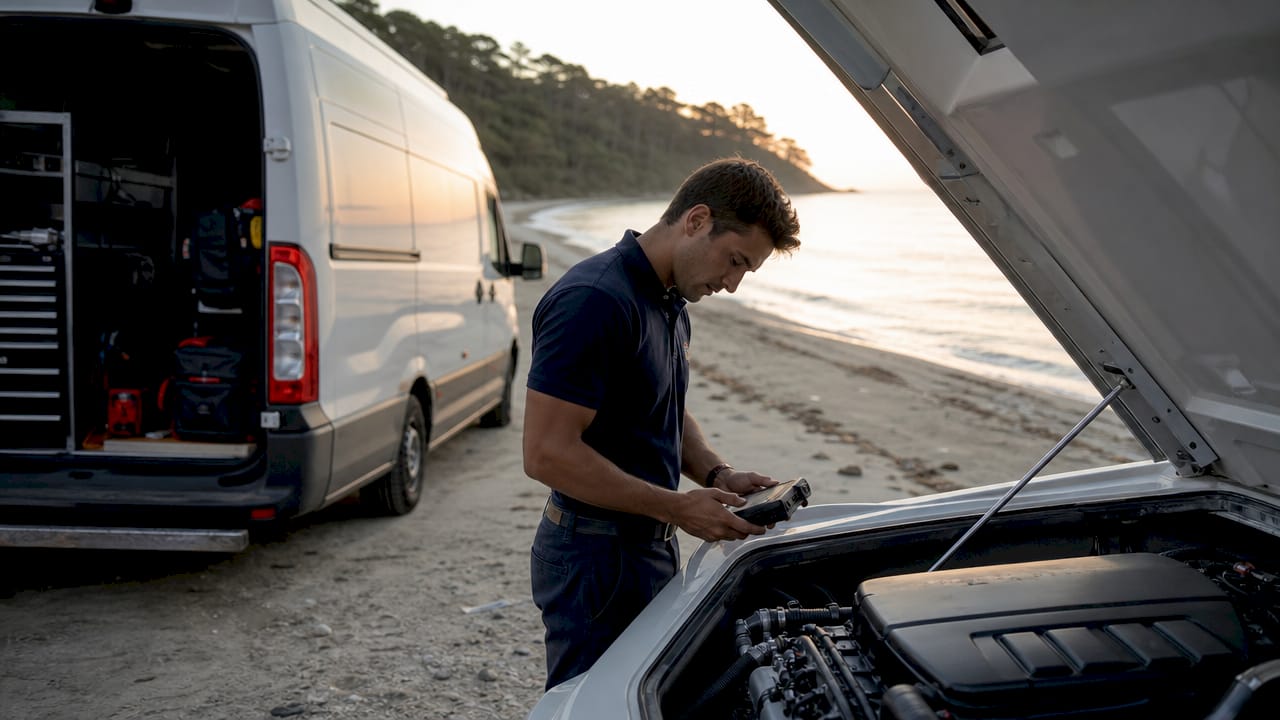
Pro Tip: Keep a physical engine log on board. Record every service date, engine hours, and technician name. This documentation protects your warranty and adds real value when you sell the vessel.
How to select a reliable yacht engine service provider in Florida
The best Florida yacht mechanics hold factory certifications from the engine manufacturer, not just general marine licenses. For premium diesel engines, authorized dealerships provide specialized tools and direct manufacturer communication that independent shops cannot replicate. MAN Marine and Volvo Penta both maintain authorized dealer networks in Florida, and working within those networks keeps your warranty intact.
Ask every prospective provider these questions before booking:
- Are your technicians factory-certified for my engine brand?
- Do you offer dockside service, or does the vessel need to be hauled?
- What is your typical response time for non-emergency appointments?
- Do you provide written estimates before starting work?
- What warranty do you offer on parts and labor?
Transparent communication and clear cost estimates are the defining traits of professional marine service providers. Providers who give vague timelines or verbal-only estimates are a consistent source of disputes and unexpected charges. Reliable Florida yacht service providers put everything in writing.
Mobile and dockside service providers reduce downtime significantly. You avoid haul-out fees, travel time, and the disruption of moving your vessel. That said, dockside service has limits. Complex diagnostics requiring factory-certified equipment must happen at an authorized facility.
Pro Tip: Ask to see the technician’s certification card before work begins. Factory-certified credentials from MAN Marine, Volvo Penta, or Cummins Marine are publicly verifiable and take less than a minute to confirm.
Step-by-step yacht engine service process and common pitfalls to avoid
A professional engine service follows a defined sequence. Skipping steps or reordering them is the most common source of missed problems.
- Pre-service inspection. The technician reviews engine hours, checks for visible leaks, and documents any owner-reported symptoms before touching anything.
- Fluid analysis. Oil, coolant, and gear oil are checked for contamination, metal particles, and degradation. Contaminated oil reveals internal wear before it becomes catastrophic.
- Filter and consumable replacement. Oil filters, fuel filters, and air filters are replaced on schedule, not just when they look dirty.
- Cooling system flush. Raw water passages are flushed to remove salt deposits and marine growth. This step is skipped more often than any other and causes the most preventable overheating failures.
- Belt and hose inspection. Cracks, glazing, and tension issues are documented and corrected.
- Electronic diagnostics. A scan tool reads fault codes from the engine control unit. Modern diesel engines store data that visual inspection cannot reveal.
- Sea trial. The engine is run under load to confirm normal operating temperatures, pressures, and performance before the vessel is returned.
“The most expensive repair I see in Florida is the one that could have been caught at step two. Owners skip fluid analysis because it adds time. That decision costs them an engine.”
Common pitfalls that Florida yacht owners repeat:
- Delaying oil changes past the engine hour threshold because the calendar date has not arrived
- Ignoring early signs of marine growth on the hull until engine load increases noticeably
- Using non-OEM parts to save money on filters and impellers, which voids manufacturer warranties
- Failing to maintain a service record, which reduces resale value and complicates warranty claims
Thorough service documentation protects your investment at every stage, from routine upkeep through eventual sale.
What cost ranges should yacht owners expect for engine service in Florida?
Routine boat repair and maintenance in Florida typically ranges from $150 to $5,000 depending on service complexity. Engine diagnostics and lower unit repairs run $450 to $2,500 or more. Fiberglass repairs and electronics installations fall in the $200 to $1,500 range. These figures reflect the Florida market and shift based on engine type, vessel size, and whether the work is dockside or yard-based.
| Service Category | Typical Cost Range | Notes |
|---|---|---|
| Basic oil and filter service | $150–$400 | Varies by engine size and oil type |
| Full annual service (inboard diesel) | $800–$2,500 | Includes fluids, filters, and diagnostics |
| Engine diagnostics only | $450–$900 | Higher for multi-engine vessels |
| Impeller and cooling system service | $300–$700 | More frequent in Florida’s warm water |
| Major repair (injectors, transmission) | $2,500–$5,000+ | Requires authorized facility |
| Mobile dockside service premium | 10%–20% above yard rate | Offset by haul-out cost savings |
Preventative maintenance consistently costs less than emergency repairs. A missed impeller replacement at $300 can produce an overheated engine requiring a $4,000 rebuild. The math is straightforward.
- Get written estimates from at least two providers before authorizing major work
- Ask whether parts carry a manufacturer warranty or only a shop warranty
- Confirm whether the quoted price includes sea trial time after service
- Check whether your yacht insurance covers any portion of engine repair costs
Florida yacht ownership costs extend well beyond the purchase price. Budgeting realistically for engine service is one of the most important financial decisions you make as an owner.
Key Takeaways
Professional yacht engine service in Florida requires engine-hour-based intervals, authorized technicians, and documented records to protect performance, safety, and resale value.
| Point | Details |
|---|---|
| Service by engine hours, not calendar | Florida’s year-round use demands intervals of 80–150 hours, not annual dates. |
| Authorized dealers protect warranties | Factory-certified technicians for MAN Marine or Volvo Penta keep complex repairs compliant. |
| Dockside service reduces downtime | Mobile providers respond within 1–2 days and eliminate haul-out costs for routine work. |
| Preventative maintenance saves money | Catching issues early costs a fraction of emergency repairs caused by deferred attention. |
| Documentation adds resale value | A complete service log protects your warranty and strengthens your vessel’s market position. |
What I’ve learned from watching Florida owners get engine service right and wrong
Working closely with Florida yacht owners over the years, I’ve noticed a clear pattern. The owners who treat engine service as a fixed operating cost, not an optional expense, almost never face the catastrophic breakdowns that make headlines at the marina. The ones who push intervals, skip documentation, or chase the lowest quote are the ones calling for emergency towing off the coast of Boca Raton on a Saturday afternoon.
The dockside versus haul-out debate is real, and my honest view is that dockside service wins for routine maintenance every time. The cost savings on haul-out fees alone justify it. But I’ve also seen owners lean too hard on mobile providers for work that genuinely requires a yard. Knowing that line matters.
Authorized dealers changed my perspective on what “good service” actually means. The diagnostic capability at a factory-certified facility is not comparable to a general marine shop. For a MAN or Volvo Penta engine, the difference in diagnostic depth is significant enough to justify the premium, especially on a vessel worth several hundred thousand dollars.
Florida’s environment demands discipline. The salt, the heat, and the constant use are unforgiving. Owners who respect that reality and build a relationship with a qualified, transparent service provider protect their investment far better than those who treat maintenance as something to schedule when something breaks.
— Jason
Yachtingexperts and your Florida engine maintenance plan
Keeping your yacht’s engine in peak condition is one of the most direct ways to protect the value of your vessel. Yachtingexperts works with Florida yacht owners to coordinate professional maintenance oversight, connect you with qualified service providers, and keep your vessel performing at its best year-round.

Whether you’re managing routine service schedules or preparing your yacht for sale, our team brings the same detail-oriented approach to every aspect of your ownership experience. We know Florida’s boating environment, we know the providers worth trusting, and we know how proper maintenance history affects your yacht’s resale value. Connect with Yachtingexperts through our service coordination page and let us help you build a maintenance plan that fits your vessel and your schedule.
FAQ
How often should I service my yacht engine in Florida?
Yacht engine service should occur at least once per year, with interval adjustments based on engine hours. High-use Florida vessels typically require service every 80–150 hours due to year-round warm water operation.
What does a typical yacht engine service cost in Florida?
Routine maintenance ranges from $150 to $2,500 for standard services, with major repairs reaching $5,000 or more. Engine type, vessel size, and whether the work is dockside or yard-based all affect the final cost.
Is dockside mobile service reliable for yacht engine repairs?
Mobile service providers handle routine maintenance and minor repairs effectively, with most responding within 1–2 business days. Complex diagnostics and major repairs require a yard with factory-certified equipment.
Why should I use an authorized dealer for my yacht engine?
Authorized dealerships provide factory-certified technicians, specialized diagnostic tools, and direct manufacturer support. This level of expertise is critical for maintaining warranty compliance on premium engines like MAN Marine and Volvo Penta.
How does Florida’s environment affect my engine maintenance schedule?
Florida’s warm, saline conditions accelerate corrosion, marine growth, and thermal wear faster than temperate markets. Maintenance intervals must be driven by engine hours rather than seasonal schedules to prevent costly failures.
Recommended
Request A Call
Featured Listings

2027 Canados
100
Miami Florida

2015 Maiora
$3,750,000
90
Miami Florida

2027 Canados
57
Miami Florida

2019 Silent-Yachts Fair Dinkum
$1,599,000
55
Fort Lauderdale Florida

2026 Canados
49
Miami Florida

2026 Buddy Davis
47
Miami Florida

2020 Grady-White No Name
$610,000
45
Hallandale Beach Florida

2020 Viking Huckleberry
$1,495,000
44
Fort Lauderdale Florida

2027 Canados
43
Miami Florida

2021 Intrepid Dream Faster
$730,000
40
Coral Gables Florida

2016 Edgewater
$299,000
37
Miami, Florida

2022 Avid
$56,900
23
Stuart Florida
Get your yacht value Estimate
"*" indicates required fields