

Most yacht owners pour energy into hull upgrades, navigation tech, and interior finishes. Yet the single biggest factor separating an extraordinary voyage from a frustrating one is almost always the crew. Mismanaged crews quietly undermine even the most beautifully appointed vessels. From compliance headaches to high turnover and inconsistent service, the human side of yacht ownership demands just as much strategic thinking as any equipment purchase. In this guide, we break down exactly what yacht crew management involves, how to size and cost your team, and the actionable tactics that experienced owners use to build crews that stay, perform, and elevate every trip.
Table of Contents
- What is yacht crew management?
- Determining optimal yacht crew size and cost
- Hiring and retaining the right crew
- Best practices: Performance, compliance, and retention
- Tailoring management solutions to yacht size and style
- What most yacht owners miss about crew management
- Streamline your yacht crew management with expert support
- Frequently asked questions
Key Takeaways
| Point | Details |
|---|---|
| Crew management drives experience | How you manage your crew impacts safety, luxury, and yacht value more than any hardware upgrade. |
| Right crew, right size | Matching crew size and skills to your vessel size is crucial for operations and budget control. |
| Retention is cost-saving | Reducing turnover with smart incentives saves up to EUR 20,000 per lost crew member. |
| Tailored solutions work best | Self-management can suffice on small yachts, but larger yachts need software or expert services to remain efficient and compliant. |
What is yacht crew management?
Yacht crew management is far more than posting a job listing and hoping for the best. At its core, yacht crew management involves structured hiring, compliance, benchmarking, performance tracking, rotation planning, and retention. Every one of those elements connects directly to how safe your vessel is and how exceptional your guests feel onboard.
Think of crew management as the operating system behind your yacht. The hardware (the vessel itself) may be flawless, but without a well-configured OS, everything stalls. A structured approach ensures your team knows their roles, meets legal standards, and has the motivation to deliver personalized service every single time.
Here is what professional crew management actually covers:
- Recruitment and vetting: Sourcing certified, experienced candidates through reputable channels
- Legal compliance: Meeting STCW (Standards of Training, Certification and Watchkeeping) and MLC 2006 (Maritime Labour Convention) requirements for rest hours, contracts, and working conditions
- Onboarding and training: Ensuring every crew member understands procedures and service standards before guests arrive
- Scheduling and rotation: Balancing workloads to prevent fatigue and burnout
- Performance tracking: Setting measurable expectations and conducting regular reviews
- Retention strategies: Keeping your best people engaged and loyal season after season
Owners who skip even one of these pillars often discover the cost the hard way. Poor compliance exposes you to port state inspections and fines. Weak onboarding leads to inconsistent service. Ignoring retention drives turnover that disrupts every season.
“The crew is your brand ambassador afloat. Guests rarely remember the horsepower of the engines, but they always remember how the crew made them feel.”
The yacht management benefits that come from a structured crew approach extend well beyond comfort. They protect your investment, your reputation, and your guests’ safety. Getting this foundation right is non-negotiable.
Determining optimal yacht crew size and cost
One of the most common questions we hear from owners: “How many crew do I actually need?” The honest answer depends on your yacht’s length, intended use, and service expectations. Crew size scales with yacht length at roughly one crew member per 5 meters, with a 40-meter yacht typically requiring 6 to 8 crew, and a 60-meter vessel needing 12 to 15.
Here is a practical breakdown by yacht size:
| Yacht length | Typical crew size | Core roles included |
|---|---|---|
| 30 meters | 4 to 6 | Captain, mate, engineer, 2 deckhands/steward(ess) |
| 40 meters | 6 to 8 | Captain, chief officer, engineer, chef, 2 to 3 deck/interior |
| 60 meters | 12 to 15 | Full department heads, junior crew across all departments |
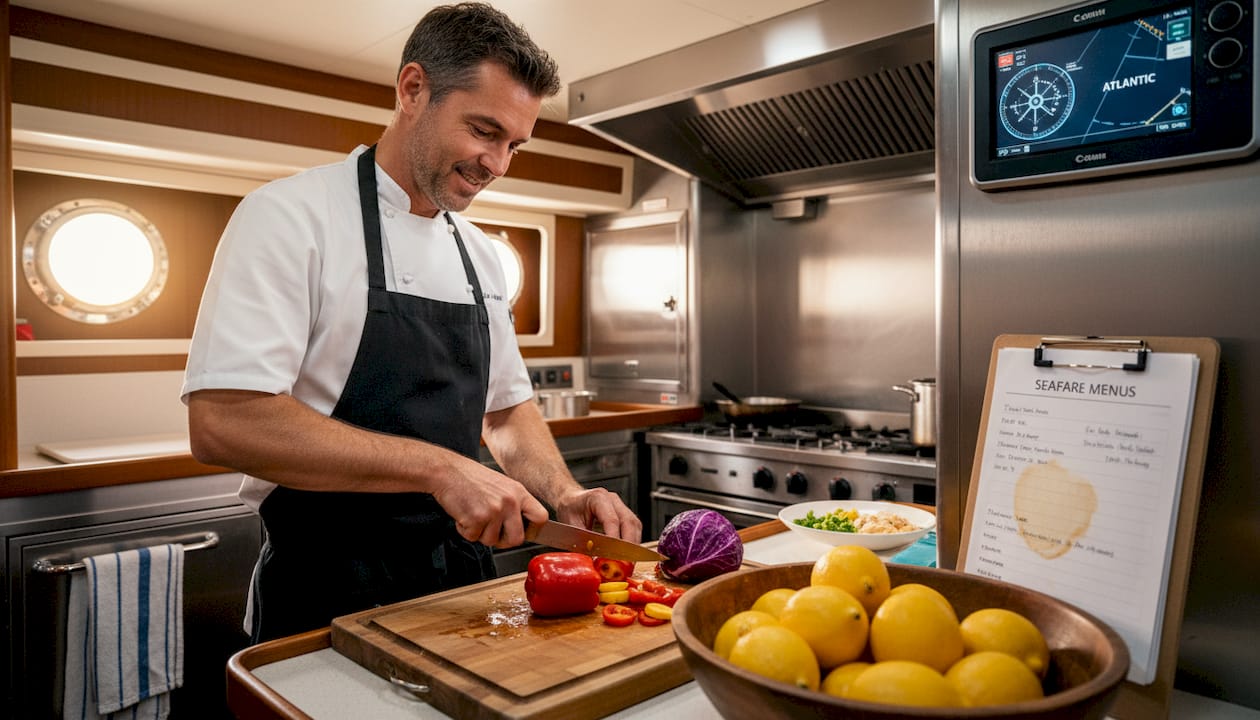
For a mid-size 40-meter yacht, the core team typically includes a captain, first officer, chief engineer, head chef, bosun, and two to three interior crew. Each role carries distinct certification requirements and market salary expectations.
Understanding yacht ownership costs means knowing that crew salaries are rarely a small line item. Salary benchmarks and annual crew costs for a 40-meter yacht can range from EUR 400,000 to EUR 700,000 annually, representing roughly 40 to 50 percent of total operating expenditure. That is not a surprise to budget for after the fact.
Key factors that affect your total crew cost:
- Charter intensity: High-charter yachts demand larger, more specialized crews
- Flag state requirements: Different registries impose different crew certification mandates
- Seasonality: Repositioning voyages and off-season maintenance periods affect crew needs
- Service level: White-glove, hotel-standard service requires more interior staff per guest
Statistic callout: Crew salaries typically represent 40 to 50 percent of a yacht’s annual operating budget, making crew cost management one of the highest-leverage financial decisions an owner makes.
Planning your crew budget accurately upfront avoids the expensive scramble of emergency hires mid-season, where premium rates apply and quality cannot be guaranteed.
Hiring and retaining the right crew
Recruitment is where many owners make their first expensive mistake. Going direct can save agency fees (typically 10 to 15 percent of annual salary), but it skips the professional vetting that protects you from bad hires. Hiring via agencies like Crew4Yachts, while prioritizing attitude and personality alongside certifications, and verifying cultural fit produces far better long-term outcomes than credentials alone.
Here is a step-by-step approach that works:
- Define your requirements clearly: Role responsibilities, certifications needed, service style, and personality traits that fit your onboard culture
- Source through reputable channels: Specialist maritime recruitment agencies, maritime academies, and industry networks
- Conduct structured interviews: Test for situational judgment, not just technical knowledge
- Verify references rigorously: Speak directly to previous captains and chief steward(ess) supervisors
- Run a paid trial period: A two to four week trial underway reveals far more than any interview
- Invest in onboarding: Structured orientation to your vessel, your service standards, and your preferences
Personality and cultural fit matter more than most owners initially believe. A technically qualified deckhand who creates friction with the interior team can poison the entire crew dynamic. Once trust breaks down onboard, productivity and service suffer fast.
Turnover is shockingly costly. Junior crew turnover averages 37 percent annually, sometimes exceeding 50 percent, with each replacement costing EUR 5,000 to EUR 20,000 once you factor in agency fees, lost service continuity, and training time.
“Every unnecessary departure costs you more than the replacement hire. The real price is the institutional knowledge that walks off the gangway with them.”
The full ownership workflow for smart yacht management includes building retention into your crew strategy from day one.
Pro Tip: Invest seriously in your first 30 days of onboarding. Crew who feel set up for success in the first month stay significantly longer than those thrown in at the deep end.
Best practices: Performance, compliance, and retention
With the right crew hired, the real management work begins. Compliance is non-negotiable. STCW sets minimum safety training standards, while MLC 2006 governs working conditions across internationally trading yachts. MLC compliance requires a minimum of 10 hours rest in any 24-hour period, with structured logging. Getting this wrong is not just a risk for crew welfare. It puts your vessel’s port clearance at stake.
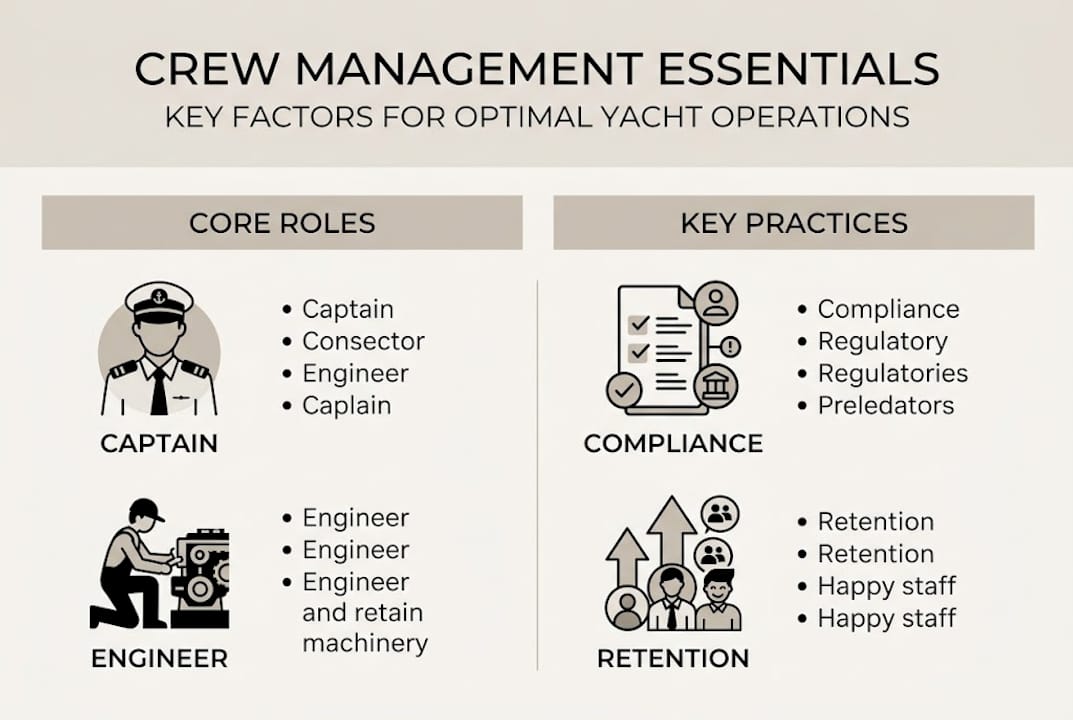
Centralizing management through dedicated software (options include Martide, HELM Operations, or CrewTraka) makes compliance tracking, scheduling, and performance reviews far easier to maintain consistently. Manual spreadsheets work for very small teams but quickly become liability for anything beyond three crew.
Rotation patterns directly affect both compliance and retention. Here is how the most common approaches compare:
| Rotation pattern | Schedule | Best suited for | Key benefit | Key challenge |
|---|---|---|---|---|
| 2:1 rotation | 2 months on, 1 month off | Active charter yachts | Maximizes availability | Crew fatigue risk |
| 3:1 rotation | 3 months on, 1 month off | Private/semi-charter | Good balance | Higher crew headcount |
| 1:1 rotation | Equal time on/off | Large superyachts | Best rest and retention | Significant cost increase |
Retention improved significantly when 3:1 rotations were adopted, with 67 percent of crew reporting they stayed longer under better-structured rest periods. Combined with fair pay, genuine investment in training, and good living conditions, rotation reform is one of the most powerful retention levers available.
Top retention incentives worth implementing:
- Structured training budgets: Pay for advanced certifications and professional development
- Regular feedback sessions: Quarterly one-on-ones between captains and department heads
- Transparent career pathways: Show junior crew a real route to senior roles
- Good food, accommodation, and connectivity: Practical living conditions matter enormously at sea
- Performance bonuses: Tie rewards to guest satisfaction and operational metrics
When you optimize yacht maintenance cycles alongside crew schedules, you create a unified operational rhythm that reduces stress across the whole team.
Pro Tip: Match your rotation strategy to your actual charter calendar. A yacht that does 30 weeks of charters per year needs a very different rotation plan than one used privately for 10 weeks.
Tailoring management solutions to yacht size and style
Not every owner needs the same approach. Self-management is viable for yachts under 30 meters using spreadsheets, while vessels over 30 meters benefit from dedicated software or professional management firms. High-charter yachts face elevated turnover and complexity that amplify the risks of under-management.
Consider professional crew management support when:
- Your yacht exceeds 30 meters in length
- You operate more than 15 charter weeks per year
- You are frequently absent from the vessel
- Compliance violations have occurred previously
- You are experiencing turnover above 25 percent annually
Mismatched management approaches quietly drain both time and money. Explore your MC service setup options to understand what professional support looks like in practice.
What most yacht owners miss about crew management
After working with owners across all vessel sizes, we have noticed one consistent blind spot: the focus goes almost entirely to systems, certifications, and cost structures, while interpersonal dynamics are treated as an afterthought. But crew conflict, leadership gaps, and cultural mismatches are responsible for far more operational disruptions than compliance failures.
A captain who cannot inspire loyalty, or a department head who creates division rather than teamwork, can undermine your entire crew operation regardless of how sophisticated your scheduling software is. The ROI on strong crew culture is enormous, yet it rarely appears on anyone’s management checklist.
We genuinely believe that the best-performing vessels share one trait: owners and captains who treat crew not as interchangeable roles but as the living core of the yacht’s brand. Understanding your ownership structure impacts everything from crew contract terms to management responsibilities, and getting aligned early saves enormous friction later.
Pro Tip: Bring your captain and senior crew into management decisions early. Their buy-in transforms policies from imposed rules into shared standards, which is a fundamentally different outcome.
Technical solutions only go so far. Human ones go further.
Streamline your yacht crew management with expert support
Building and managing an exceptional crew is one of the most rewarding investments you can make in your yacht. It is also one of the most complex. From compliance structures and rotation planning to recruitment vetting and retention programs, the detail required is significant.

At Yachting Experts, we offer personalized, hands-on support that takes the complexity off your plate. Whether you are setting up your management company for the first time or looking to optimize an existing operation, our team brings the experience, connections, and passion to make it seamless. Explore our comprehensive yacht management services and let us help you build the crew operation your vessel deserves. This is your moment to get it right.
Frequently asked questions
How is yacht crew size determined?
Crew size is planned at roughly one crew member per 5 meters of yacht length, though final numbers depend on service expectations, guest capacity, and charter intensity.
What certifications must all yacht crew have?
All crew must hold STCW Basic Safety Training, and vessels trading internationally must meet MLC 2006 compliance standards covering work hours, rest periods, and employment contracts.
How much should I budget for crew salaries?
For a 40-meter yacht, expect total crew costs of EUR 400,000 to EUR 700,000 annually, representing approximately 40 to 50 percent of total operating expenses.
Why does crew retention matter?
Junior crew turnover averages 37 percent annually, and each departure costs EUR 5,000 to EUR 20,000 in replacement expenses alone, without counting lost service continuity and guest experience disruption.
Is specialized software necessary for management?
For yachts over 30 meters, software or management firms are strongly recommended given the increased compliance requirements, larger team sizes, and operational complexity involved.
Recommended
Request A Call
Featured Listings

2027 Canados
100
Miami Florida

2015 Maiora
$3,750,000
90
Miami Florida

2027 Canados
57
Miami Florida
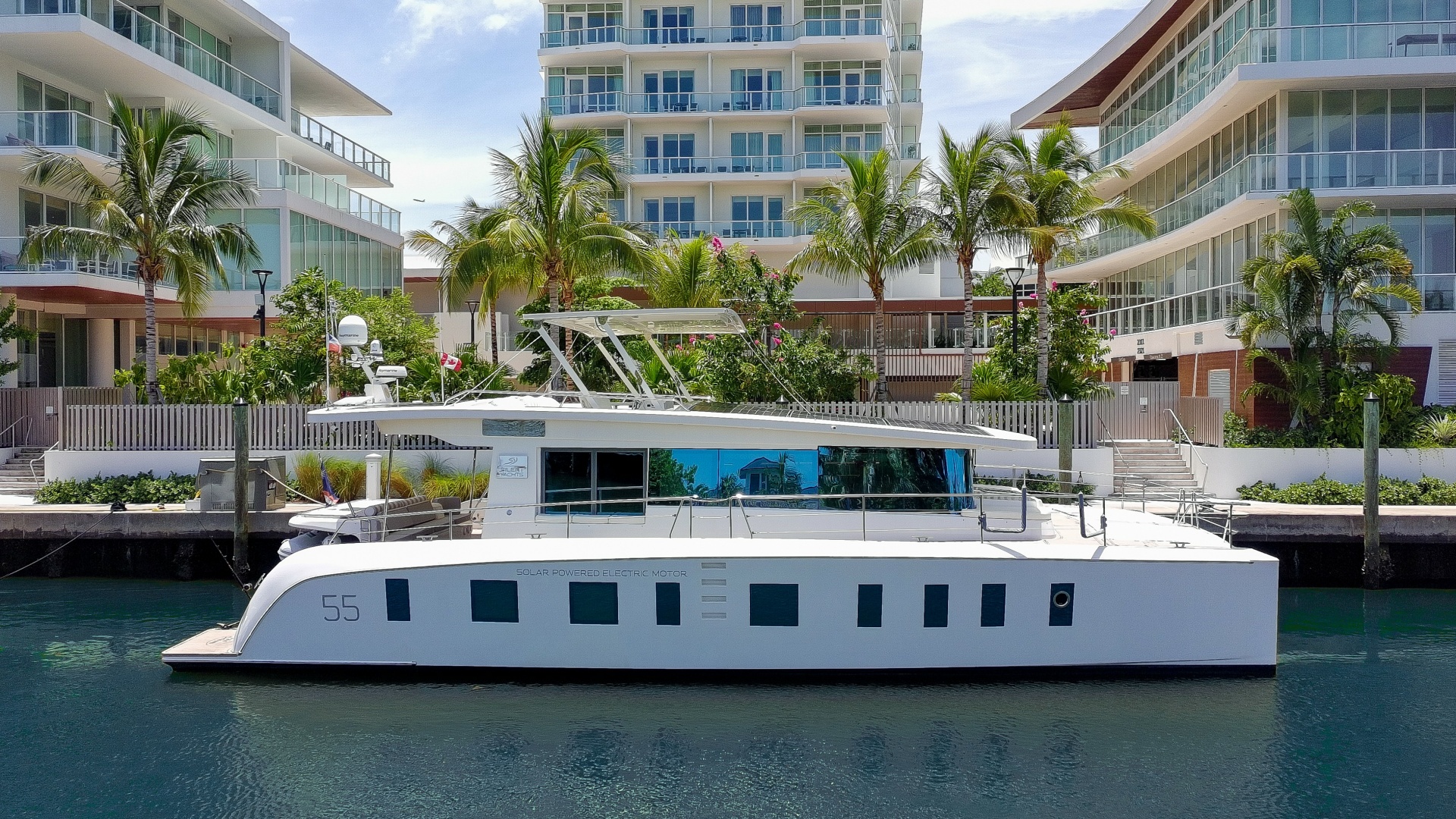
2019 Silent-Yachts Fair Dinkum
$1,599,000
55
Fort Lauderdale Florida

2026 Canados
49
Miami Florida

2026 Buddy Davis
47
Miami Florida
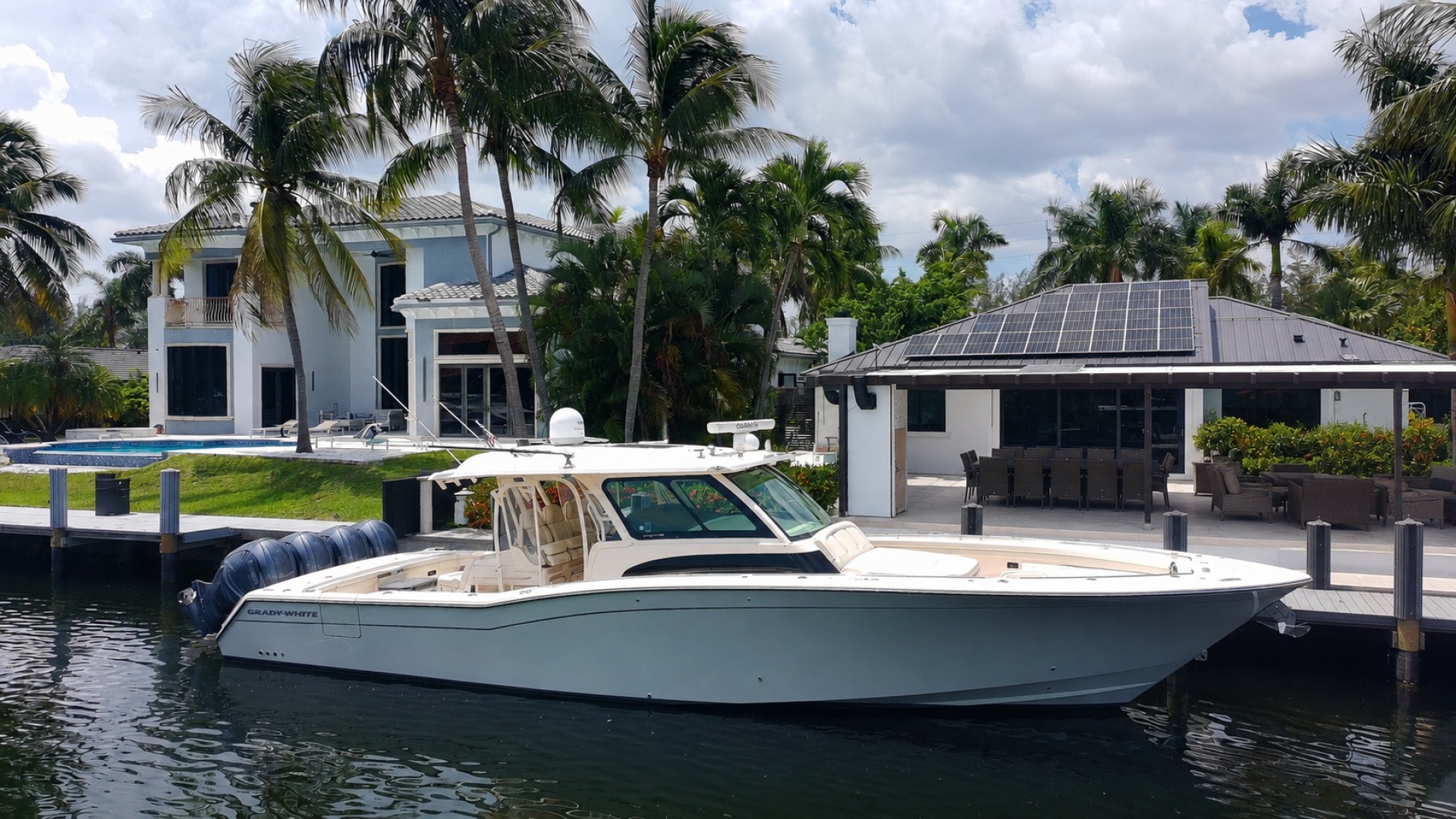
2020 Grady-White No Name
$610,000
45
Hallandale Beach Florida
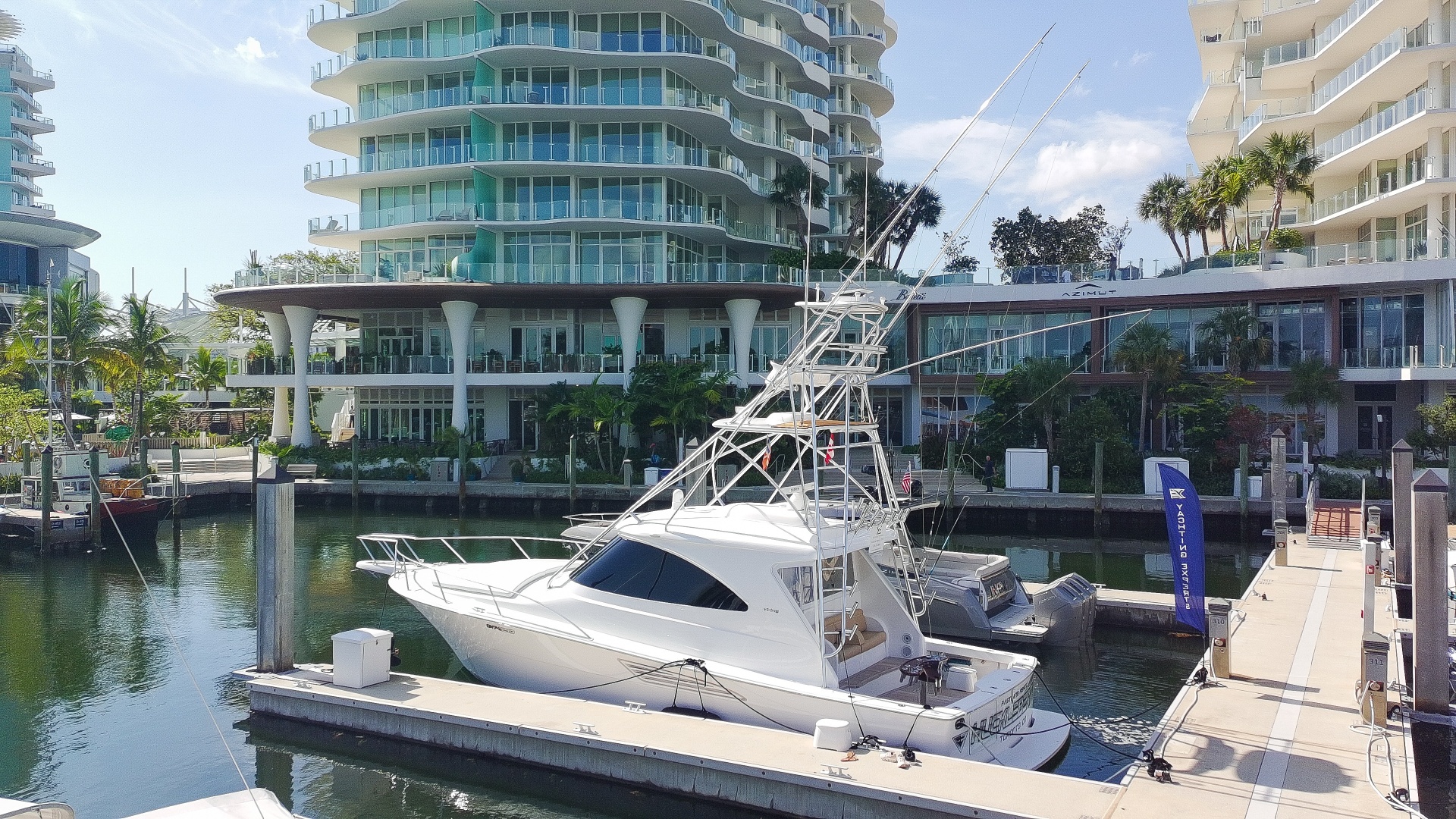
2020 Viking Huckleberry
$1,495,000
44
Fort Lauderdale Florida

2027 Canados
43
Miami Florida
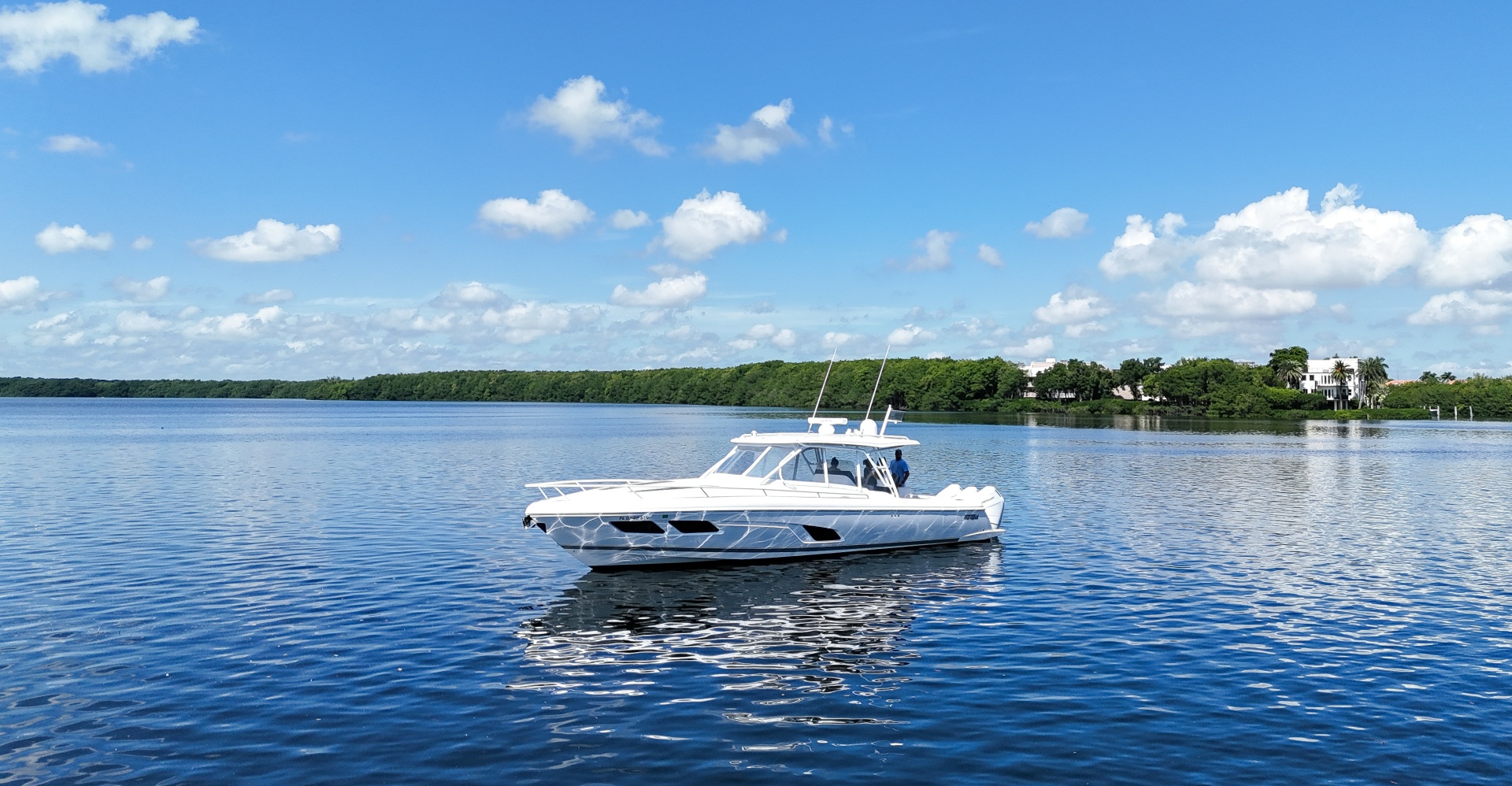
2021 Intrepid Dream Faster
$730,000
40
Coral Gables Florida

2016 Edgewater
$299,000
37
Miami, Florida

2022 Avid
$56,900
23
Stuart Florida
Get your yacht value Estimate
"*" indicates required fields