

Professional boat detailing is defined as a multi-step marine maintenance process that cleans, restores, and protects every surface of your vessel against the relentless forces of saltwater, UV radiation, and moisture. It goes far beyond a simple rinse and wipe-down. Where DIY washing removes surface dirt, professional detailing addresses oxidation, corrosion, mold, and gelcoat degradation before they become expensive structural problems. At Yachtingexperts, we have seen firsthand how consistent, professional care separates boats that command top dollar at resale from those that sit on the market for months. The importance of boat detailing cannot be overstated when your vessel represents one of your largest financial investments.
Why professional boat detailing is a non-negotiable for marine environments
The marine environment is one of the most destructive settings any material can face. Salt, sun, and constant moisture work together to attack every surface on your boat simultaneously. Understanding these forces explains exactly why professional boat cleaning outperforms anything you can accomplish with a garden hose and a bucket.
Here is what your boat battles every time it hits the water:
- Saltwater corrosion: Salt crystals bond to gelcoat, metal fittings, and hardware, accelerating oxidation and mineral buildup that weakens surfaces over time.
- UV oxidation: Ultraviolet rays break down the resin in gelcoat, turning it chalky and dull. Water reflection amplifies UV exposure significantly compared to land-based vehicles.
- Moisture and mold: Constant humidity creates ideal conditions for mold and mildew growth inside cabins, on upholstery, and in bilge areas.
- Contaminant buildup: Fuel residue, algae, and waterline staining require specialized marine-grade degreasers and cleaners to remove safely.
Saltwater boats require more frequent detailing due to accelerated oxidation and contaminant buildup compared to freshwater boats. That distinction matters because many owners apply a single maintenance standard regardless of where they boat, which leads to premature surface degradation.
Freshwater boats face less aggressive corrosion, but UV damage and algae growth remain serious concerns. Boats stored outdoors in open slips face far greater environmental stress than those kept under covered storage, which directly affects how often professional attention is needed.
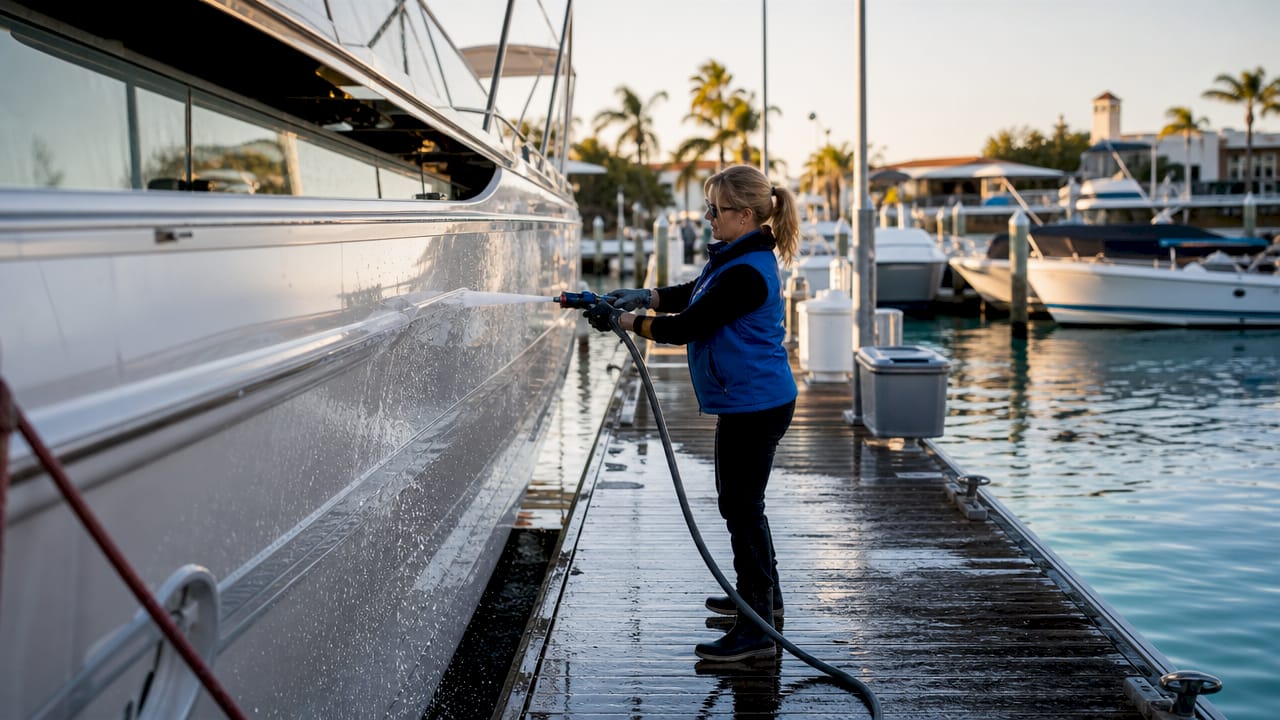
Pro Tip: Rinse your boat with fresh water immediately after every saltwater outing. This simple habit removes salt crystals before they bond to surfaces and significantly extends the time between professional detailing sessions.
What does professional boat detailing actually include?
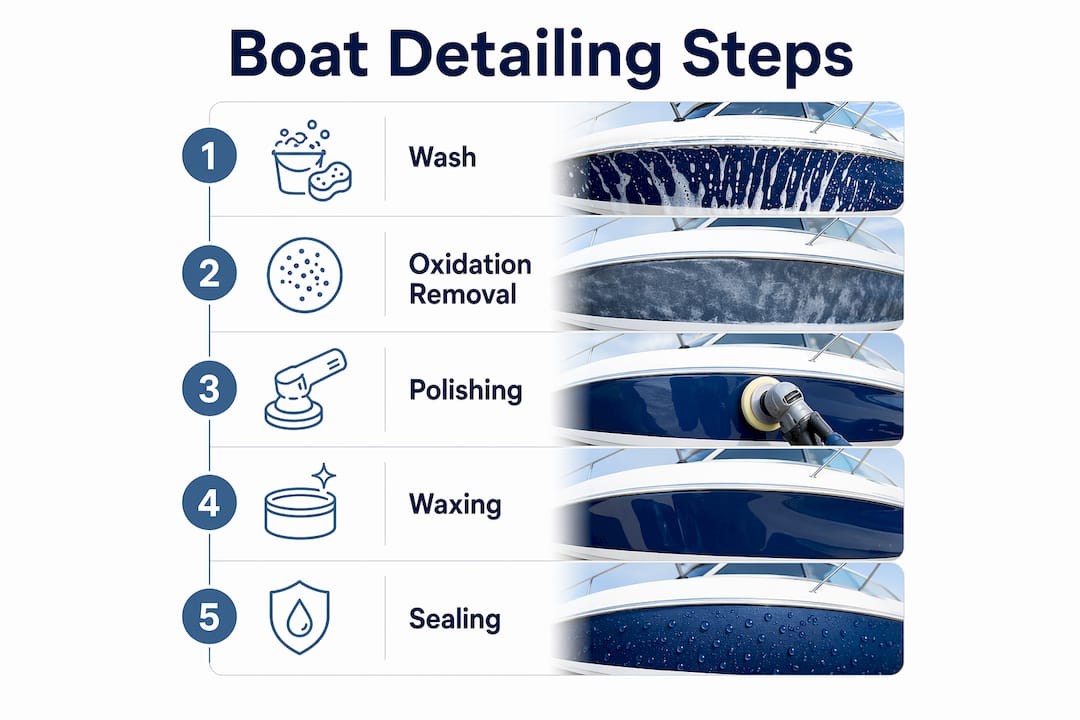
Most boat owners are surprised by the scope of what a thorough professional detailing service covers. Professional boat detailing includes exterior washing, oxidation removal, polishing, waxing, interior sanitation, and engine and bilge cleaning for full protection. That bundled approach is what separates professional boat detailing services from a basic wash.
Here is a breakdown of what a complete professional detail typically covers:
- Exterior decontamination: Removal of waterline staining, algae, and mineral deposits using marine-specific cleaners like Chemical Guys Mr. Pink Super Suds, which are pH-balanced to protect gelcoat.
- Oxidation removal and polishing: Machine compounding and polishing to restore gloss and remove the chalky layer that UV rays create. This step requires trained hands because over-correcting oxidation damages gelcoat thickness and leads to expensive rework.
- Waxing and paint sealants: Products like Chemical Guys JetSeal create a durable protective barrier that slows UV penetration and makes future cleaning easier.
- Interior sanitation: Vinyl and upholstery cleaning, mildew treatment, cabin surface wiping, and odor control to keep the interior fresh and structurally sound.
- Engine and bilge cleaning: Removing grease, fuel residue, and moisture from the engine bay and bilge prevents corrosion on critical mechanical components.
- Preventive inspection: Skilled detailers spot early signs of cracking, delamination, and hardware corrosion during the hands-on process, flagging issues before they become major repairs.
A glossy finish functions as an early warning system during hands-on inspections, making it easier to spot problems like cracking and delamination. That insight from BoatingMag reframes detailing entirely. It is not just cosmetic maintenance. It is a diagnostic process that runs in parallel with every polish and wax application.
Marine-grade products matter because automotive products are not formulated for the pH levels, salt concentrations, and UV intensities that boats face. Using the wrong product can strip protective coatings or leave residues that attract contaminants.
Pro Tip: Ask your detailer specifically which products they use on gelcoat. If they cannot name marine-specific brands or explain why they chose them, that is a red flag worth taking seriously.
How does professional detailing protect and preserve resale value?
The financial case for professional boat care is direct. Professional detailing restores gloss, controls oxidation, and improves buyer perception, which leads to higher resale value and faster sales. Buyers make emotional decisions about boats, and a vessel that gleams in the sunlight tells a story of careful ownership before a single question is asked.
Here is how consistent detailing protects your investment at every stage:
- Oxidation prevention saves money now. Removing oxidation early costs a fraction of what full gelcoat restoration or repainting requires. Catching it at the polishing stage keeps repair costs manageable.
- Protective coatings slow aging. Repeated waxing and sealing create a protective barrier that must be refreshed regularly to effectively slow oxidation in marine environments. One wax job is not enough. The protection system requires consistent renewal.
- Metal fittings stay presentable. Corrosion-free cleats, rails, and hardware signal to buyers that the boat has been maintained below the surface too, not just cosmetically cleaned before listing.
- Interior condition controls odor and mold. Moisture-related odors are one of the fastest ways to lose a buyer’s interest. Regular interior sanitation prevents the mold growth that creates those odors in the first place.
- Documented detailing history supports your asking price. A record of consistent, quality care is something buyers highly value. It reduces their perceived risk and justifies a premium price.
| Detailing benefit | Impact on resale value |
|---|---|
| Oxidation removal | Restores original gloss, avoids costly gelcoat repairs before listing |
| Wax and sealant program | Slows UV aging, keeps surfaces looking newer for longer |
| Interior sanitation | Eliminates odors and mold that immediately reduce buyer confidence |
| Hardware and fitting care | Signals thorough maintenance beyond cosmetic cleaning |
| Documented service history | Supports higher asking prices and reduces time on market |
For owners planning to sell, the role of detail in yacht listings is one of the most underestimated factors in achieving a strong sale price. A well-detailed boat simply photographs better, shows better, and sells faster.
What maintenance schedule maximizes your detailing investment?
Knowing why professional detailing matters is only half the equation. The other half is knowing how often to schedule it and what to do between appointments to protect the work already done.
- Saltwater boats: monthly detailing. Chemical Guys recommends monthly detailing for saltwater boats to maintain appearance and prevent degradation. The aggressive marine environment demands that frequency to stay ahead of oxidation and salt buildup.
- Freshwater boats: quarterly detailing. Freshwater exposure is less corrosive, making a quarterly schedule appropriate for most freshwater boat owners who store their vessels properly.
- Adjust for storage conditions. Boats stored in open slips under direct sun need more frequent waxing and UV protection refreshes than those kept in covered storage or on trailers.
- Rinse after every outing. A fresh water rinse immediately after use removes salt and contaminants before they bond to surfaces. This single habit extends the effectiveness of every professional detail.
- Avoid DIY over-compounding. Excessive DIY polishing risks over-correcting oxidation, which damages gelcoat thickness and leads to expensive rework. Leave abrasive correction to professionals who can assess the right level of cut for your specific surface.
The proper detailing system includes immediate post-use rinsing, scheduled wax and sealant refreshes, and adjustments for environmental exposure. Think of it as a layered defense rather than a single event. Each step reinforces the others, and skipping one weakens the whole program.
Pro Tip: Keep a simple log of every detailing appointment, product used, and any issues flagged by your detailer. This record becomes a selling asset when you decide to list your boat and adds credibility to your asking price.
For a broader view of how detailing fits into your overall vessel care program, the yacht maintenance checklist from Yachtingexperts covers year-round care across every system on your boat.
Key takeaways
Professional boat detailing is the single most cost-effective practice for protecting your vessel’s appearance, preventing structural damage, and preserving its resale value over time.
| Point | Details |
|---|---|
| Environmental damage is constant | Salt, UV, and moisture attack surfaces simultaneously, requiring professional-grade defense. |
| Detailing scope goes beyond washing | Oxidation removal, sealants, bilge cleaning, and inspections are all part of a full professional detail. |
| Resale value depends on documented care | Buyers pay more for boats with a consistent, verifiable detailing history. |
| Frequency matters by environment | Saltwater boats need monthly attention; freshwater boats benefit from quarterly professional care. |
| DIY has real limits | Over-compounding gelcoat without professional assessment causes irreversible surface damage. |
My honest take on DIY versus professional boat detailing
I have watched boat owners make the same mistake for years. They spend a weekend with a random polishing kit from a big-box store, work hard, and end up with uneven gelcoat that costs more to fix than a year of professional detailing would have. The problem is not effort. It is that marine surfaces require a trained eye to assess before any abrasive product touches them.
The complexity of marine materials, from gelcoat to Sunbrella fabric to stainless steel hardware, means that the wrong product or technique on any one surface creates a chain reaction of problems. I have seen vinyl upholstery cracked by automotive protectants, and metal fittings pitted by cleaners that were not formulated for saltwater environments. These are not rare outcomes. They are predictable results of applying non-marine products to marine materials.
What I tell every boat owner is this: professional detailing is not a luxury. It is investment protection. The cost of a regular detailing program is a fraction of what you will spend repainting a hull, replacing upholstery, or losing negotiating power at resale because your boat looks its age. When you are ready to sell and maximize your boat’s resale value, a clean, well-maintained vessel is your single strongest negotiating tool.
Choose a detailer who uses named marine-grade products, can explain their oxidation correction process, and provides a written record of services performed. That combination of skill, product knowledge, and documentation is what separates a professional from someone with a buffer and a bucket.
— Jason
Keep your vessel pristine with Yachtingexperts

At Yachtingexperts, we understand that your boat is more than a purchase. It is a passion, and protecting it deserves the same level of care and expertise you bring to every time you head out on the water. Our team connects you with trusted, professional marine cleaning and detailing services tailored specifically to your vessel type, environment, and usage patterns. Whether you boat in saltwater or freshwater, keep your vessel in a covered slip or an open marina, we match you with the right detailing program to protect your investment year-round. When it is time to sell, a well-documented detailing history is one of the most powerful tools in your corner. Reach out to our team today and let us help you protect what you love.
FAQ
What is professional boat detailing?
Professional boat detailing is a multi-step marine maintenance process covering exterior washing, oxidation removal, polishing, waxing, interior sanitation, and engine cleaning. It uses marine-specific products and techniques that DIY methods cannot replicate.
How often should I get my boat professionally detailed?
Saltwater boats benefit from monthly professional detailing, while freshwater boats typically need quarterly service. Storage conditions and UV exposure levels also affect the recommended frequency.
Does professional detailing increase boat resale value?
Yes. Professional detailing restores gloss, removes oxidation, and creates a documented maintenance history that improves buyer confidence and supports higher asking prices at resale.
Can I damage my boat by detailing it myself?
Excessive DIY polishing can remove too much gelcoat thickness, leading to costly repairs. Professionals assess the correct level of abrasive correction before touching the surface, which prevents irreversible damage.
What marine-grade products do professional detailers use?
Reputable detailers use products specifically formulated for marine environments, such as Chemical Guys Mr. Pink Super Suds for washing and JetSeal for protective coating. These products are pH-balanced and engineered for the UV and salt exposure boats face.
Recommended
Request A Call
Featured Listings

2027 Canados
100
Miami Florida

2015 Maiora
$3,750,000
90
Miami Florida

2027 Canados
57
Miami Florida
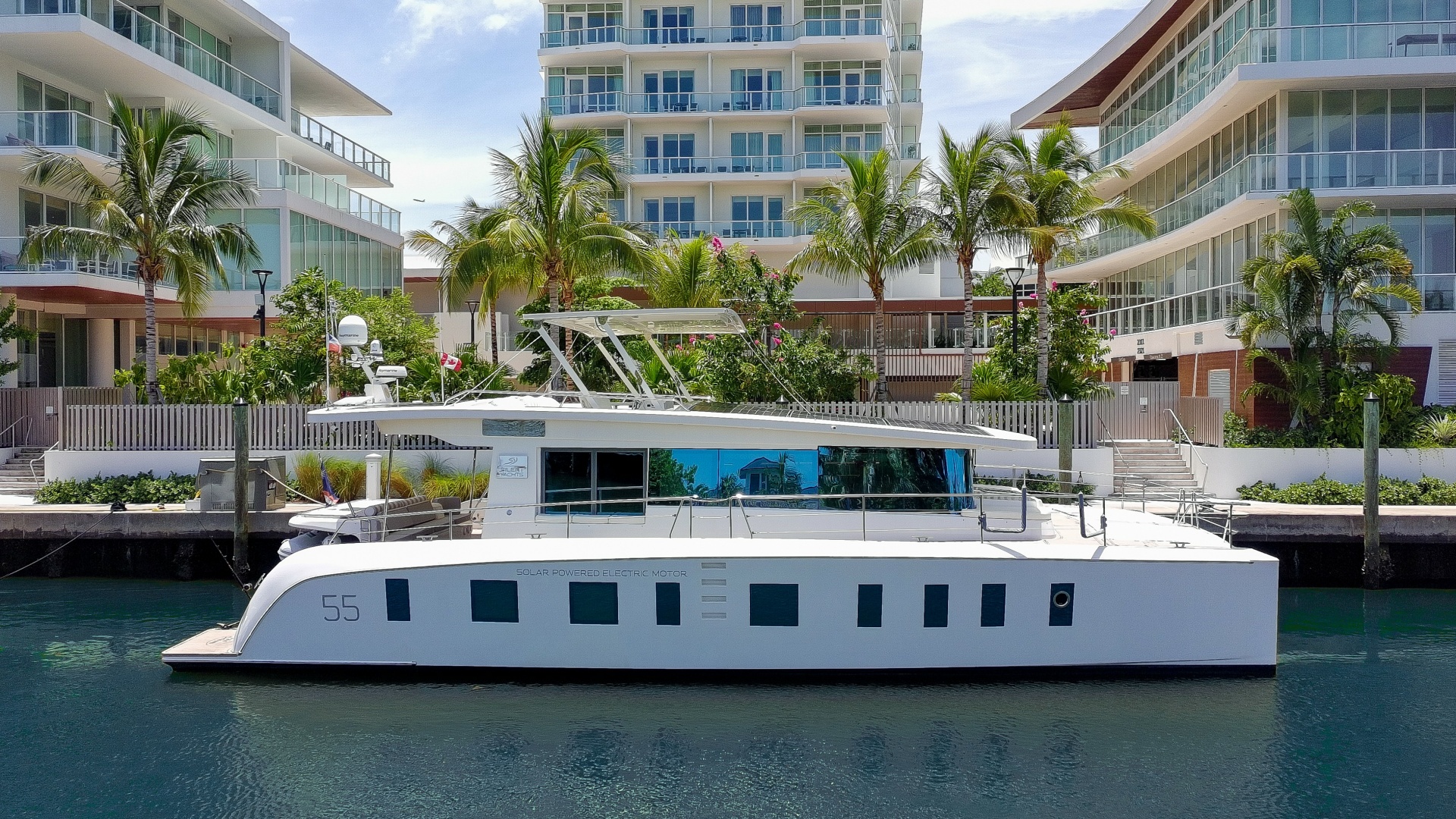
2019 Silent-Yachts Fair Dinkum
$1,599,000
55
Fort Lauderdale Florida

2026 Canados
49
Miami Florida

2026 Buddy Davis
47
Miami Florida
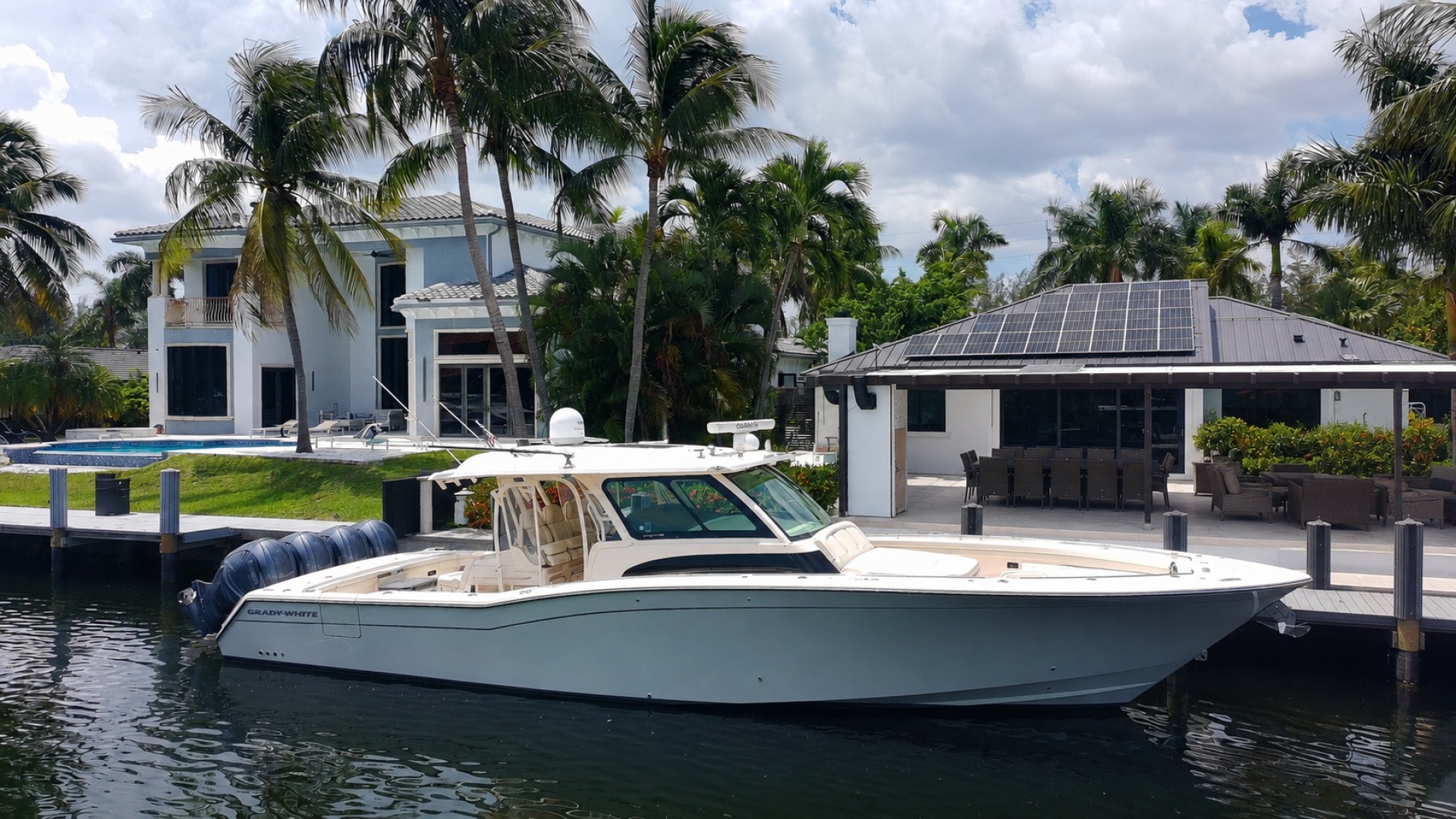
2020 Grady-White No Name
$610,000
45
Hallandale Beach Florida
2020 Viking Huckleberry
$1,495,000
44
Fort Lauderdale Florida

2027 Canados
43
Miami Florida
2021 Intrepid Dream Faster
$730,000
40
Coral Gables Florida

2016 Edgewater
$299,000
37
Miami, Florida

2022 Avid
$56,900
23
Stuart Florida
Get your yacht value Estimate
"*" indicates required fields