

Top yachting tips for 2026 center on proactive maintenance, precise itinerary planning, smart market timing, and a genuine commitment to sustainability as the baseline for modern ownership. Whether you are stepping aboard your first vessel or trading up to a superyacht, the difference between an exceptional season and a frustrating one comes down to preparation, knowledge, and the right advisors in your corner. This 2026 sailing guide pulls from the latest market data, maintenance science, and evolving ownership values to give you the sharpest yachting advice available right now.
1. Top yachting tips 2026: master predictive maintenance first
Predictive maintenance is the single most important shift in yacht upkeep philosophy for 2026. Rather than waiting for something to break or following a loose schedule, condition monitoring through oil and coolant analysis detects mechanical failures months before they become visible. This means you catch coolant intrusion, fuel dilution, and wear metals early enough to schedule a yard period on your terms, not the ocean’s.
The practical difference is significant. A visual engine check tells you what you can see. Oil analysis tells you what is happening inside the engine right now. Predictive tools like these reveal issues that no amount of visual inspection would catch until the breakdown is already underway.
Here are the maintenance priorities every owner should lock in for 2026:
- Bilge pump tests: Run a full functional test monthly, not just seasonally. A failed bilge pump in a squall is a serious safety event.
- Ventilation checks: Poor airflow creates mildew and accelerates corrosion in lockers, engine rooms, and bilges.
- Hose clamps and seals: Calendar-based replacement matters here. These components expire at 5 to 7 years regardless of how many hours the boat has run. A maintenance matrix that tracks age, not just usage, prevents unexpected failures.
- Oil and coolant analysis: Schedule this at every major service interval as a non-negotiable line item.
Pro Tip: Replace sacrificial anodes once they are 50% consumed. Waiting until they are fully depleted risks galvanic corrosion on your propeller and shaft, with repair costs running upward of $5,000.
2. Plan tighter itineraries for deeper experiences
The most common charter mistake in 2026 is still the same one from five years ago: trying to cover too much water in too little time. Owners and charterers who plan ambitious multi-island routes often spend the majority of their days motoring between destinations rather than enjoying them. The secret to a high-end charter is a tighter geographic radius that maximizes time at anchor and minimizes open-water transit.
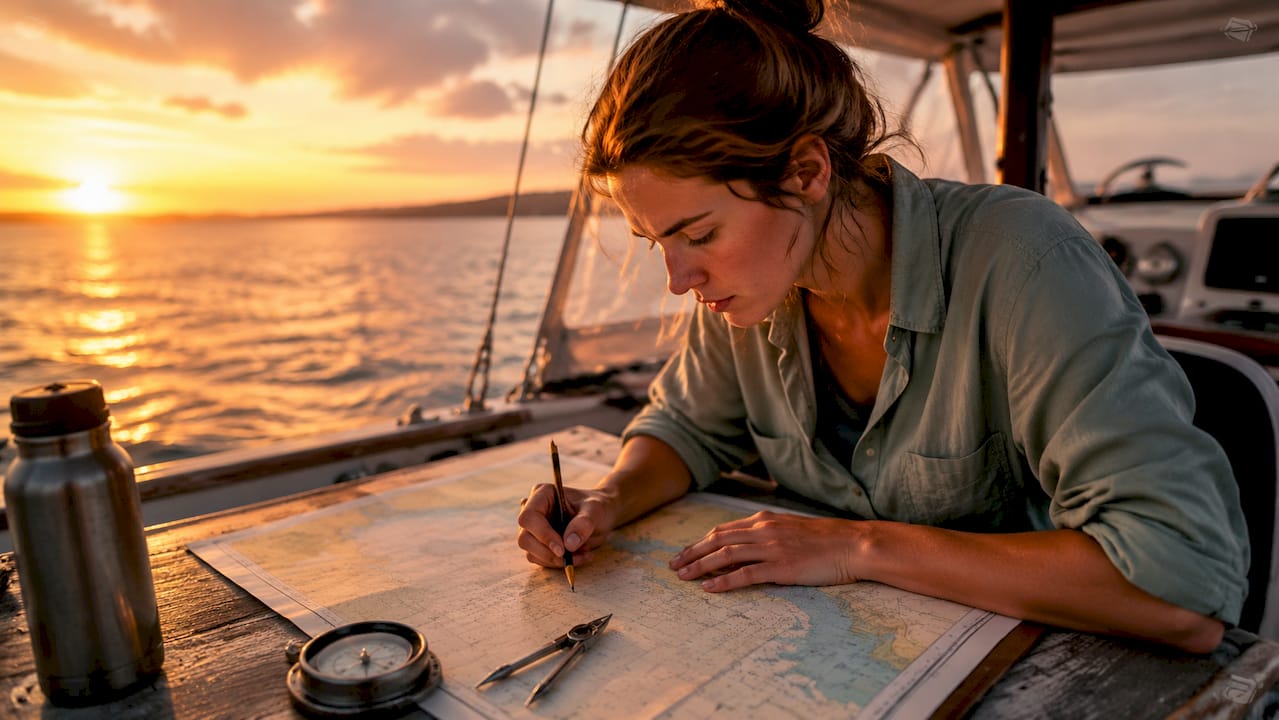
The Mykonos and Paros cluster in the Cyclades is a textbook example. These two islands sit close enough together that you can anchor in a new bay every morning, enjoy a full afternoon ashore, and still be back on board for sundowners without logging a single exhausting passage. That is the quality of experience that turns a good charter into a memorable one.
For 2026, here is a practical itinerary planning framework:
- Choose a geographic cluster first. Pick a region, not a list of destinations. The Greek islands, the BVI, or the Amalfi Coast each offer enough variety within a tight radius to fill a full week without repetition.
- Limit daily transit to two hours maximum. Anything beyond that eats into your leisure time and fatigues the crew.
- Build in one full anchor day per week. A day with no planned movement lets everyone decompress and explore at their own pace.
- Use cruise planning apps. Tools like Navionics and Aqua Map let you visualize transit times and anchorage options before you commit to a route.
- Account for local tax structures. In Greece, charter VAT rates run between 9.6% and 12% for licensed operators, with a standard rate of 24% applying in some cases. Always request an all-in estimate based on your specific route before signing.
You can find more detailed guidance in the Yachtingexperts chartering guide for 2026, which covers destination selection and budget planning in depth.
3. Read the 2026 yacht market before you buy
The 2026 BOAT International Global Order Book records 1,093 units on order, down from 1,138 in 2025. That contraction signals tightening supply, particularly for vessels over 24 meters. For buyers, this means the window to secure a favorable position is narrowing, and early planning is no longer optional.
| Buying path | Timeline | Key tradeoff |
|---|---|---|
| Brokerage hull purchase | Immediate to 6 months | Lower price, older spec, faster delivery |
| Mid-tier yard new build | 18 to 30 months | Custom spec, moderate wait, manageable cost |
| Top-tier yard new build | 36 to 48 months | Best quality, delivery slots sold out to 2028 and 2029 |
Each path carries real tradeoffs. A brokerage purchase gets you on the water faster and often at a lower entry price, but you inherit the previous owner’s maintenance history and specification choices. A new build from a top yard gives you exactly what you want, but you are committing to a multi-year wait and a premium price. Mid-tier yards offer a middle ground worth serious consideration in 2026, particularly for buyers who want modern spec without a four-year horizon.
The Yachtingexperts team tracks current market trends closely and can help you identify where the real value sits right now, whether that is a well-maintained brokerage hull or a strategic yard slot.
4. Embrace sustainability as a baseline, not a bonus
Today’s yacht owners at the ultra-high-net-worth level no longer treat sustainability as a differentiator. It is the baseline expectation. Half-measures in ESG commitments are falling out of favor, and the market reflects this. Buyers are asking about hybrid propulsion, shore power compatibility, and waste-heat recovery systems before they ask about entertainment specs.
“The future of yachting is focused on doing ‘better’ not simply ‘more.’ Better values, better privacy, and better technology are what define ownership in 2026.” — YATCO, Evolving UHNWI Expectations in the Future of Yachting
This shift has practical implications for every owner, not just those at the superyacht level. Shore power compatibility reduces generator runtime in marinas, cutting fuel costs and noise. Hybrid propulsion systems lower emissions in protected marine areas where regulations are tightening across the Mediterranean and Caribbean. Waste-heat recovery adds efficiency without adding complexity.
Technology is accelerating this trend. Predictive maintenance platforms, intelligent personalization systems, and autonomous docking tools are moving from concept to standard fitment. The luxury fashion and design world has already absorbed these values, with Italian yacht design influencing sustainability-conscious aesthetics across both industries. Yachting is following the same trajectory.
5. Protect your investment with smart routine care
The most expensive yacht repairs in 2026 are the ones that were preventable. Routine freshwater rinses after every saltwater outing remove chloride deposits before they penetrate gelcoat and fittings. This single habit extends the life of deck hardware, rigging, and hull finish by years. It costs nothing but five minutes and a hose.
Here is what a disciplined routine care program looks like in practice:
- Freshwater rinse after every outing. Focus on deck hardware, winches, cleats, and the waterline.
- Wax the hull every 90 days. Gelcoat protection prevents oxidation and maintains resale value. A well-maintained hull can add meaningful dollars to your yacht’s resale price.
- Replace consumables on schedule. Impellers, belts, and filters are cheap. The engine damage from a failed impeller is not.
- Document everything. Maintenance logs with dates, parts, and service provider details give buyers confidence and support a stronger asking price.
- Train your crew on checklists. Maintenance execution quality and crew discipline during yard periods are critical to avoiding unresolved snags that compound into costly problems.
Pro Tip: Maintenance software like IDEA YACHT creates a digital paper trail that follows the vessel through ownership changes. Documented upkeep history is one of the most persuasive tools in any brokerage transaction.
Key takeaways
The best yachting outcomes in 2026 come from combining predictive maintenance, focused itinerary planning, early market positioning, and a genuine sustainability commitment rather than treating any one of these as optional.
| Point | Details |
|---|---|
| Predictive maintenance wins | Use oil and coolant analysis to catch failures months before they happen. |
| Tighter itineraries, better trips | Cluster your route geographically to maximize anchor time and minimize transit fatigue. |
| Buy early in a contracting market | The 2026 order book is down to 1,093 units; top yard slots extend to 2028 and 2029. |
| Sustainability is now the baseline | Hybrid propulsion and shore power compatibility are buyer expectations, not premium upgrades. |
| Documentation protects resale value | Detailed maintenance logs add buyer confidence and support stronger asking prices. |
What I’ve learned about yachting in 2026 that most guides won’t tell you
I want to be direct about something that most 2026 sailing guides gloss over: the biggest threat to your yachting enjoyment is not a mechanical failure or a bad weather window. It is the gap between what you planned and what you prepared for.
I have seen owners invest in extraordinary vessels and then undercut the experience with reactive maintenance habits, over-ambitious itineraries, and a reluctance to engage with the market until it is too late to get what they actually want. The mindset shift that makes the real difference is moving from quantity to quality across every dimension. Fewer miles, deeper experiences. Fewer deferred maintenance items, more confidence underway. Fewer impulsive purchase decisions, better long-term value.
The sustainability piece is not just about values, either. It is about future-proofing. Marine protected area regulations are expanding. Fuel costs are not going down. Buyers in 2026 are already asking about a vessel’s environmental footprint as part of due diligence. If your yacht is not positioned for that conversation, it will cost you at resale.
My honest recommendation: treat your maintenance program as a financial instrument, your itinerary as a curated experience, and your purchase or sale decision as a market timing exercise. Get expert eyes on all three. The owners who do this consistently are the ones who genuinely love their time on the water, year after year.
— Jason
Ready to put these tips into action?

At Yachtingexperts, we work with yacht owners and buyers every day who are navigating exactly these decisions, from choosing between a brokerage hull and a new build slot, to planning a maintenance program that protects resale value, to finding the right charter route for their first season. Our team brings deep market insight and a genuinely personalized approach to every client relationship. We hold your hand through the whole process so that one of your biggest investments becomes a straightforward, exciting experience rather than a stressful one. Start the conversation with our brokerage and advisory team today and let us help you get the most out of your 2026 season.
FAQ
What are the most important yacht maintenance tips for 2026?
Predictive maintenance using oil and coolant analysis is the top priority, alongside calendar-based replacement of hose clamps and seals at the 5 to 7 year mark regardless of engine hours. Bilge pump testing, freshwater rinsing after every outing, and anode replacement at 50% consumption round out the core program.
How do I choose the right itinerary for a yacht charter in 2026?
Focus on a tight geographic cluster rather than a long list of destinations. Limiting daily transit to two hours and building in at least one full anchor day per week delivers a far better experience than covering maximum distance.
Is now a good time to buy a yacht in 2026?
The 2026 order book has contracted to 1,093 units from 1,138 in 2025, and top yards are booked through 2028 and 2029. Buyers who act now have more options than those who wait, particularly in the brokerage and mid-tier new build segments.
What does sustainability mean for yacht owners in 2026?
Sustainability in 2026 means hybrid propulsion, shore power compatibility, and waste-heat recovery as standard considerations rather than optional upgrades. UHNWI buyers now treat ESG commitments as a baseline expectation when evaluating vessels.
How does maintenance documentation affect yacht resale value?
Detailed maintenance logs with dates, parts, and service records give buyers confidence and directly support stronger asking prices. Digital platforms like IDEA YACHT create a verifiable paper trail that follows the vessel through ownership changes.
Recommended
Request A Call
Featured Listings

2027 Canados
100
Miami Florida

2015 Maiora
$3,750,000
90
Miami Florida

2027 Canados
57
Miami Florida
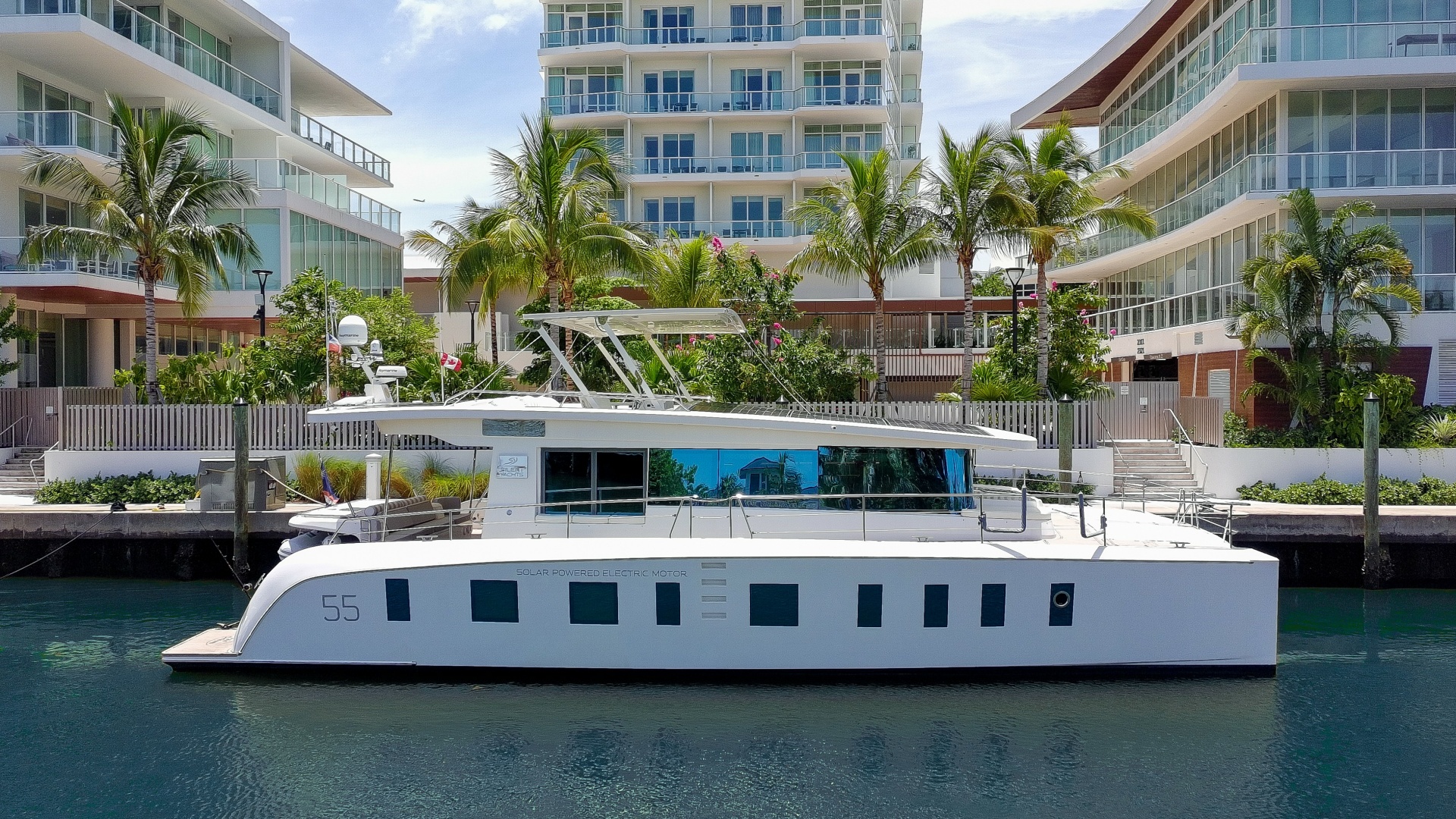
2019 Silent-Yachts Fair Dinkum
$1,599,000
55
Fort Lauderdale Florida

2026 Canados
49
Miami Florida

2026 Buddy Davis
47
Miami Florida
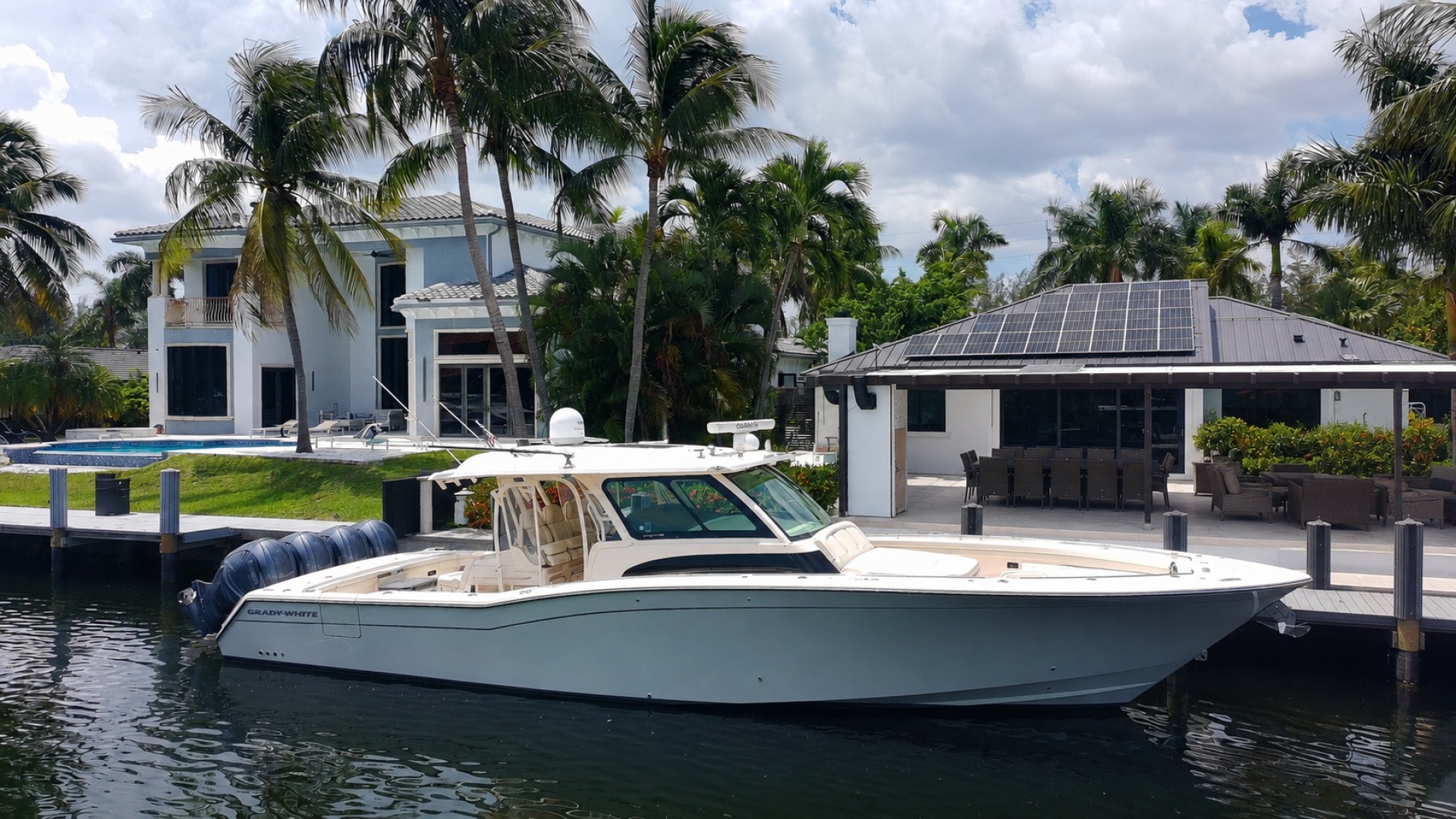
2020 Grady-White No Name
$610,000
45
Hallandale Beach Florida
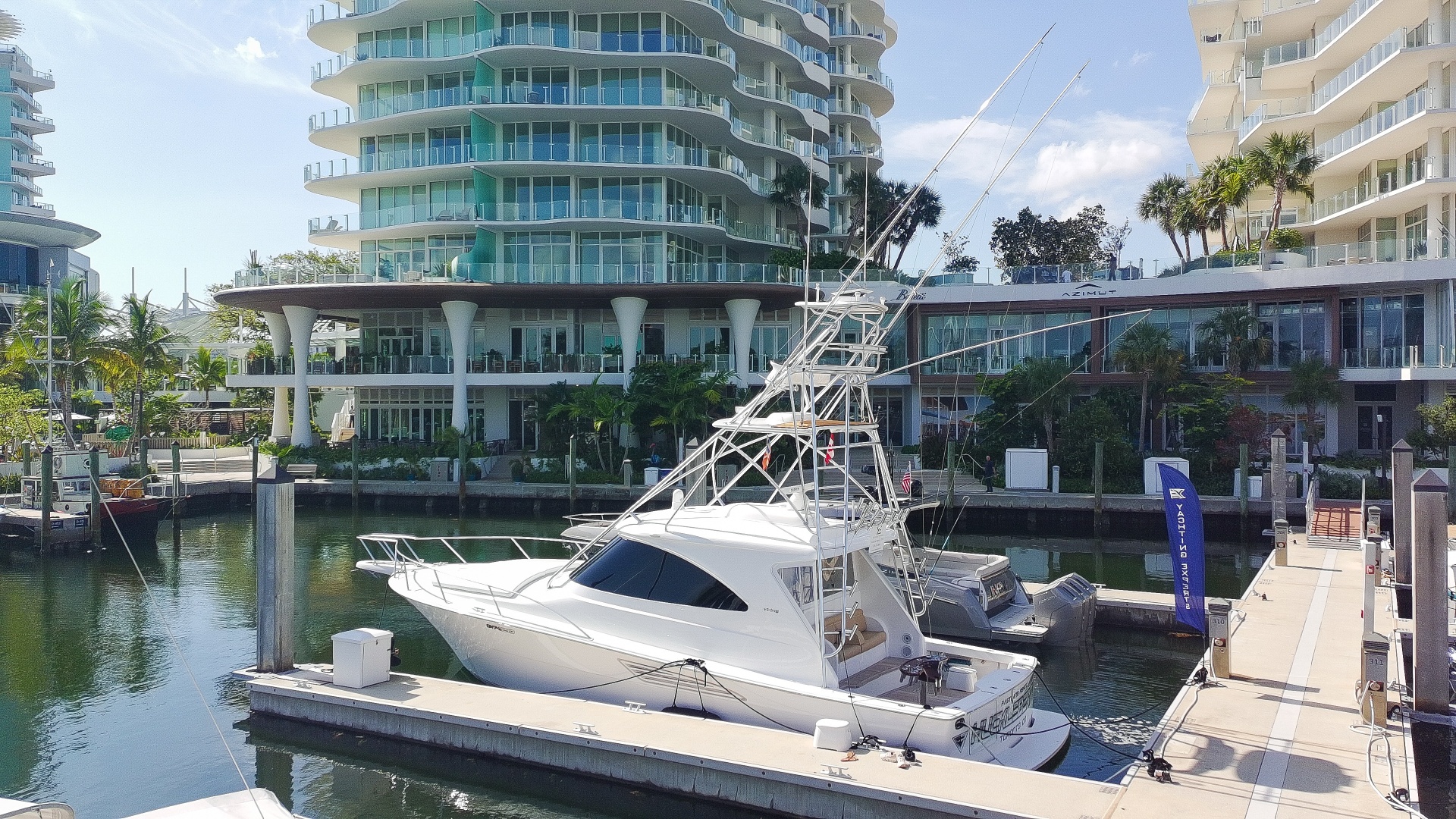
2020 Viking Huckleberry
$1,495,000
44
Fort Lauderdale Florida

2027 Canados
43
Miami Florida
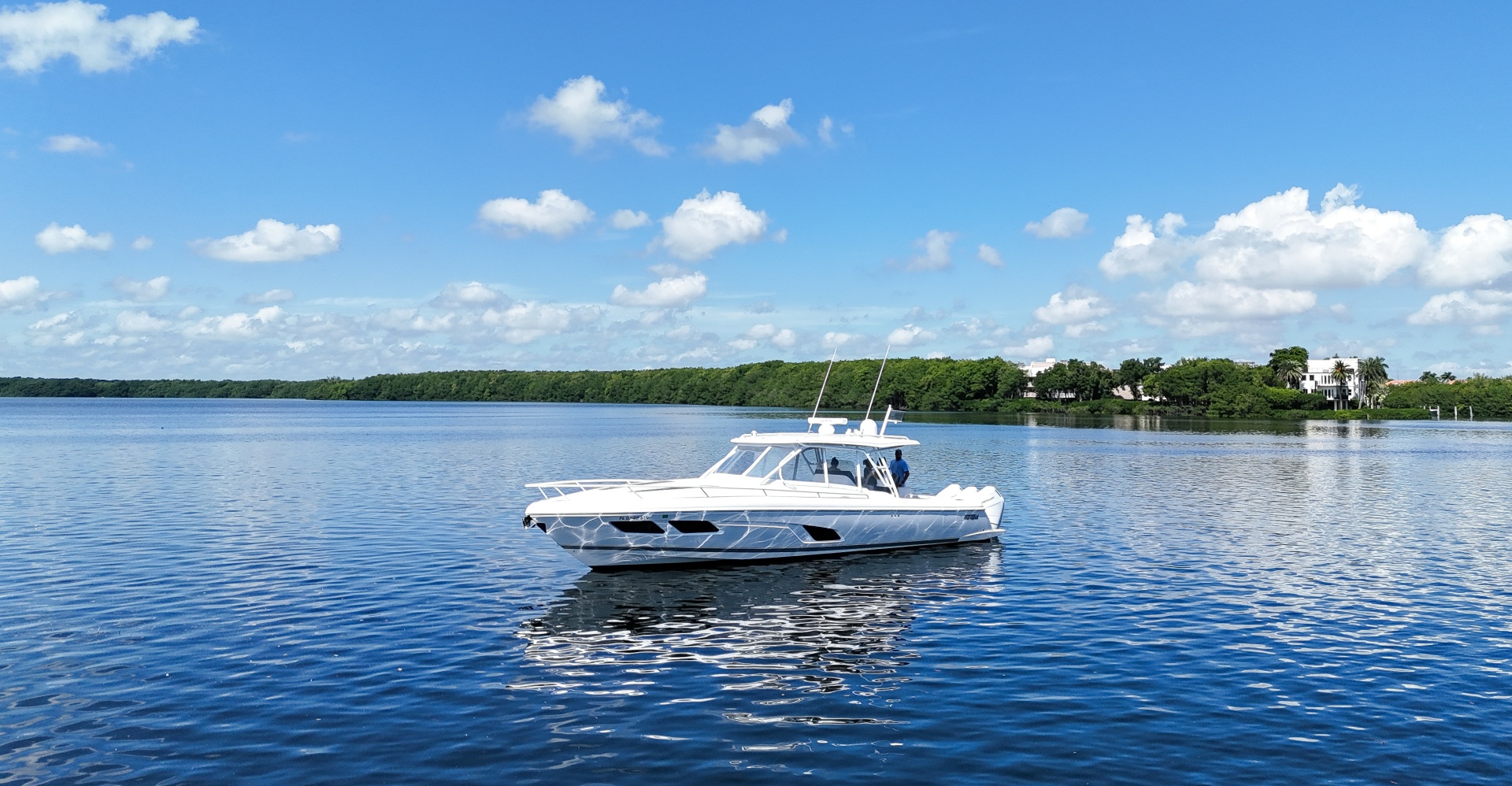
2021 Intrepid Dream Faster
$730,000
40
Coral Gables Florida

2016 Edgewater
$299,000
37
Miami, Florida

2022 Avid
$56,900
23
Stuart Florida
Get your yacht value Estimate
"*" indicates required fields