

You already love being on the water. But somewhere between crowded overnight anchoring and your guests sleeping in shifts, you’ve started wondering if your current boat is actually holding you back. Many Florida owners assume that moving up means more complexity, more expense, and a steeper learning curve. The reality is often the opposite. Modern yachts are smarter, easier to handle, and more enjoyable than ever before, and upgrading at the right time can genuinely transform your experience on Florida’s waterways, from the Keys to the Bahamas and beyond.
Table of Contents
- Why upgrade: The practical advantages of larger boats
- Modern technology: Making bigger boats easier to handle
- Ownership realities: Skill, insurance, and maintenance considerations
- New vs. used yachts: Choosing the right upgrade path
- Expert perspective: The hidden factors most Florida owners overlook
- Upgrade smart: Connect with experts for seamless transitions
- Frequently asked questions
Key Takeaways
| Point | Details |
|---|---|
| Bigger boat, more benefits | Upgrading unlocks comfort, range, and versatility for Florida owners. |
| Tech makes handling easier | Modern yachts use joysticks and stabilizers to simplify operation. |
| Prepare for new responsibilities | Larger vessels require skills, insurance knowledge, and hands-on maintenance. |
| New vs used: weigh costs | Refit expenses on used yachts can surprise buyers, making new builds worth considering. |
| Expert help smooths upgrades | Brokers and trainers guide transition, avoid mistakes, and maximize value. |
Why upgrade: The practical advantages of larger boats
Now that you’ve seen the misconceptions, let’s get into the real-life advantages a larger boat offers Florida owners.
The most immediate benefit is versatility. A larger vessel lets you do more with every trip. Weekend cruises become comfortable mini-voyages. Overnight stays stop feeling like camping and start feeling like actual vacations. Larger boats provide greater range, stability, and space that genuinely expand what’s possible on the water, whether you’re running down to the Keys for a long weekend or crossing to the Bahamas for a month.
Comfort is the second big driver. When your boat has proper sleeping quarters, a full galley, a real bathroom, and outdoor entertaining space, you stop counting the hours until you return to the dock. Guests actually want to come back. Families stop arguing about personal space. These aren’t small things.
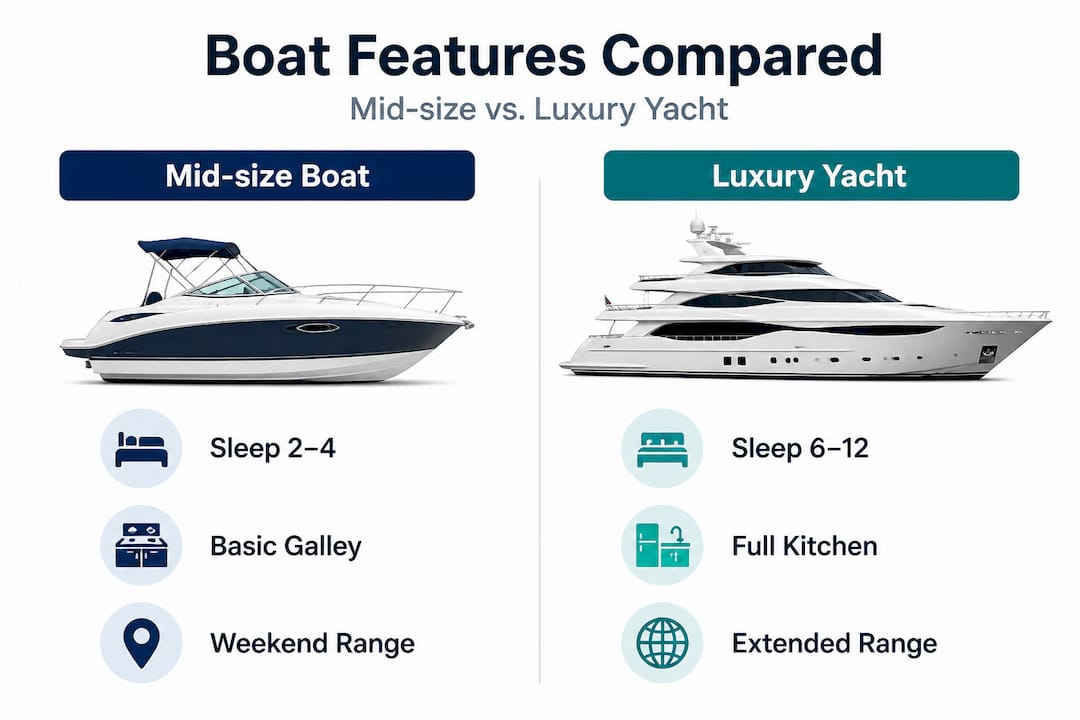
Here’s a quick comparison of what changes when you size up:
| Feature | Mid-size boat (30–40 ft) | Luxury yacht (60 ft and up) |
|---|---|---|
| Overnight capacity | 2–4 guests, tight quarters | 6–12 guests, private staterooms |
| Range | Day trips, local cruising | Extended coastal and offshore |
| Weather handling | Limited in rough conditions | Stabilizers and deeper hull perform better |
| Entertainment space | Minimal cockpit/cabin | Full salon, flybridge, sun decks |
| Onboard amenities | Basic | Full galley, A/C, entertainment systems |
Florida’s weather is unpredictable. Afternoon thunderstorms, wind shifts, and chop in open water are weekly realities. Larger vessels handle these conditions with notably more confidence. Deeper hulls, added beam (width), and higher freeboard (the side of the boat above the waterline) all contribute to a smoother, safer experience in Florida’s variable conditions.
A great real-world example: a Palm Beach couple recently upsized to a 119-foot Moonen yacht specifically for better living space and extended cruising capability. They weren’t chasing status. They were solving real problems with their current setup. That’s exactly the kind of intentional upgrading we see work best.
Key reasons Florida owners upgrade successfully:
- More space for family and guests without cramped conditions
- Better luxury yacht amenities that enhance long days and overnight stays
- Greater offshore range for Bahamas and Caribbean trips
- Improved handling in Florida’s afternoon chop and storm conditions
- Enhanced entertainment options for hosting clients or family
“Upgrading isn’t about having a bigger toy. It’s about removing the limitations that stop you from fully enjoying the water.”
Modern technology: Making bigger boats easier to handle
Beyond comfort and space, technology has transformed how owners control and enjoy larger yachts. This is probably the biggest mindset shift we encourage Florida owners to make.
Ten years ago, docking a 70-foot yacht solo was genuinely stressful. Today, it doesn’t have to be. Modern yacht technology has essentially closed the skill gap between mid-size boats and large yachts for everyday operation. Here’s what’s changed the game:
- Joystick docking systems: Instead of independently managing multiple throttles and bow thrusters, a single joystick controls the entire boat. You push the joystick sideways and the boat moves sideways. It’s that intuitive.
- Bow and stern thrusters: These are propellers mounted sideways in the hull that give you precise lateral control at low speeds. Essential for tight marina docking in Florida’s often-windy conditions.
- Dynamic positioning (DP) systems: On higher-end vessels, DP systems use GPS and sensors to hold the boat in a fixed position automatically. Perfect for anchoring in current or setting up for fishing without constant manual adjustment.
- Seakeepers and gyro stabilizers: These spinning gyroscopic units reduce boat roll dramatically at anchor and underway. Guests who get seasick on smaller boats often find large stabilized yachts far more comfortable.
- Autopilot and integrated navigation: Modern chart plotters, radar, and AIS (automatic identification system) integration make offshore passages far less demanding on the captain.
Pro Tip: Before committing to any upgrade, request a sea trial that specifically tests the docking systems, thrusters, and stabilizers. How a boat behaves at 3 knots in a marina tells you more than how it performs at speed in open water.
The joystick and thruster systems on modern yachts genuinely make larger vessels easier to dock and handle for solo or small-crew operations. We’ve seen first-time 60-foot owners become fully confident in tight marina conditions within a single weekend. The technology is that effective when you take the time to learn it properly.
Ownership realities: Skill, insurance, and maintenance considerations
Comfort and tech are just part of the story. Let’s look at what owners must prepare for when upgrading, because going in with realistic expectations is what separates a thrilling upgrade from a frustrating one.
Skills and experience
Upgrading to a larger yacht requires demonstrated experience that covers handling multi-engine setups, navigating in rough conditions, and managing larger vessel dynamics at speed and in port. Larger yachts are less maneuverable at slow speeds without thruster assistance, and the consequences of errors are bigger. Building your resume before you upgrade isn’t optional. It’s what protects you and your guests.
Consider completing formal training through organizations like the American Sailing Association or the USCG-approved powerboat training programs. Log hours on similar-size vessels whenever possible. This pays off directly at the insurance table.
Insurance and crew requirements
Insurance for larger yachts often requires a formal boating resume, documented training, and sometimes a minimum number of logged offshore miles. Without a solid resume, you may face significantly higher premiums or policy restrictions. Some insurers require a licensed captain for vessels above certain lengths or for offshore passages.
| Vessel size | Typical insurance considerations |
|---|---|
| Under 40 ft | Standard recreational policy, basic experience |
| 40–65 ft | Resume often required, documented training preferred |
| 65 ft and above | Formal captain’s license or crew may be required, higher premiums |
Maintenance complexity
Complex onboard systems like air conditioning, generators, Seakeepers, watermakers, and multi-engine configurations demand maintenance knowledge you may not currently need. This isn’t a reason not to upgrade. It is a reason to plan ahead and build a reliable yacht maintenance team before you take ownership.
Here’s how to set yourself up for success:
- Assess your current skill level honestly. Hours on the water and type of vessel experience both matter.
- Enroll in a formal powerboat or seamanship course before finalizing your upgrade.
- Build your documented boating resume. Keep a log of all passages, conditions, and vessel types.
- Consult a yacht broker experienced in Florida transactions who can match you with a vessel appropriate for your experience level.
- Build relationships with qualified marine technicians in your home marina before taking delivery.
Pro Tip: Speak with a marine insurance specialist before you start shopping. Knowing what your insurer requires gives you a clear target for both vessel selection and skills development.
New vs. used yachts: Choosing the right upgrade path
With new responsibilities in mind, let’s compare upgrade pathways to avoid costly surprises. This is a decision that shapes your first three years of ownership more than almost any other factor.
New yachts
New builds offer warranties, full manufacturer customization, and predictably low initial maintenance. You know exactly what systems are installed, how old everything is, and what condition it’s in. Many builders offer factory tours and personalization options that let you spec the vessel around your specific usage patterns. If you want a custom yacht built for Florida’s climate, offshore passages, and your entertaining style, new is the clear path.
Used and refitted yachts
Used yachts offer a lower entry price, and many well-maintained pre-owned vessels represent outstanding value. The risk is refit costs. Even experienced buyers are regularly surprised by how quickly a used yacht’s real costs accumulate once you start updating systems, replacing engines, and refreshing interiors.
| Factor | New yacht | Used/refitted yacht |
|---|---|---|
| Purchase price | Higher upfront | Lower initial cost |
| Warranty | Full manufacturer warranty | None or limited |
| Customization | Full options available | Limited to existing layout |
| Maintenance year 1 | Minimal | Potentially high |
| Refit unpredictability | None | Can exceed new build price |
| Depreciation | Steeper in year 1 | Curve already absorbed |
“Refit costs consistently surprise even the most experienced buyers. A used yacht that looks like a deal can quickly cost more than a comparable new build once you get into the systems.” — Industry insight shared widely among experienced brokers
The smartest approach is to work with an experienced yacht brokerage who can arrange a full pre-purchase survey, review maintenance records, and give you an honest assessment of a used vessel’s real cost of ownership before you commit. This step alone has saved clients hundreds of thousands of dollars.
Key questions to ask before buying used:
- When were the engines last serviced or replaced?
- What is the current state of the A/C, generator, and electronics systems?
- Has the vessel been in any groundings or accidents?
- What is the status of the current safety equipment?
- Has a qualified marine surveyor recently inspected the hull?
Expert perspective: The hidden factors most Florida owners overlook
We’ve guided a lot of Florida owners through upgrades, and there’s a consistent pattern in what separates the ones who absolutely love their new vessel from the ones who quietly regret it within 18 months.
The biggest mistake isn’t choosing the wrong size. It’s choosing based on the boat rather than the lifestyle. Before you ever step aboard a potential upgrade, ask yourself who is actually going to be on this boat most of the time. Is it weekend trips with your spouse? Extended offshore passages with a core group of friends? Corporate entertaining? Family vacations with kids and grandparents? Each of these scenarios points to a different vessel configuration, range capability, and systems priority.
The second overlooked factor is transition training. Technology is remarkable, but it doesn’t replace familiarity. Owners who invest in even one or two days of hands-on training with their specific new vessel before their first solo trip are dramatically more confident and less stressed from day one. We always recommend this, and yet it’s the step most buyers skip in their excitement.
Florida-specific factors also matter more than most buyers anticipate. Shallow water in the Keys, busy marina conditions in Miami and Fort Lauderdale, hurricane season preparedness, and USCG regulations for offshore passages all affect how you choose and use your vessel. A boat that’s perfect for the Chesapeake Bay may be genuinely frustrating in Florida’s specific environment.
Insurance documentation is often left until last. It should be one of the first conversations. Building your path to trading up yachts successfully means treating your boating resume as an asset you actively develop, not something you assemble after a problem arises.
Finally, the owners who thrive after upgrading are always the ones who leaned on expert guidance throughout the process. Not just for the transaction, but for the full transition from their current vessel to their new one.
Upgrade smart: Connect with experts for seamless transitions
If you’re reading this and feeling the pull toward a larger vessel, you’re in exactly the right place.

At Yachting Experts, we specialize in making the upgrade process genuinely exciting and stress-free for Florida boat owners. From initial vessel sourcing and private viewings to negotiation, insurance guidance, and selling your current boat at maximum value, our team holds your hand through every step. We know Florida’s market inside and out, and we’re passionate about matching each client with the vessel that fits their real lifestyle, not just their wish list. Whether you’re ready to explore options now or just starting to think about what’s next, reach out to our team and let’s start the conversation.
Frequently asked questions
Is it more difficult to handle a larger yacht than my current boat?
Modern joystick and stabilizer systems make larger yachts considerably easier to manage than most Florida owners expect, especially with proper initial training on the specific vessel.
Will I need a crew if I upgrade to a luxury yacht?
Many luxury yachts are designed for owner-operator use with small crews, but insurance requirements and vessel size can influence whether a licensed captain is required, particularly for offshore passages.
Is upgrading from a used to a new yacht always better financially?
Not always, but refit costs on used yachts are highly unpredictable and sometimes exceed the price of a comparable new build once you factor in systems updates, engine replacement, and interior work.
What are common mistakes Florida owners make when upgrading?
The most common errors are underestimating skill and insurance requirements, skipping transition training, and not consulting an experienced broker early enough in the process to avoid costly mismatches between vessel and lifestyle.
Recommended
Request A Call
Featured Listings

2027 Canados
100
Miami Florida

2015 Maiora
$3,750,000
90
Miami Florida

2027 Canados
57
Miami Florida
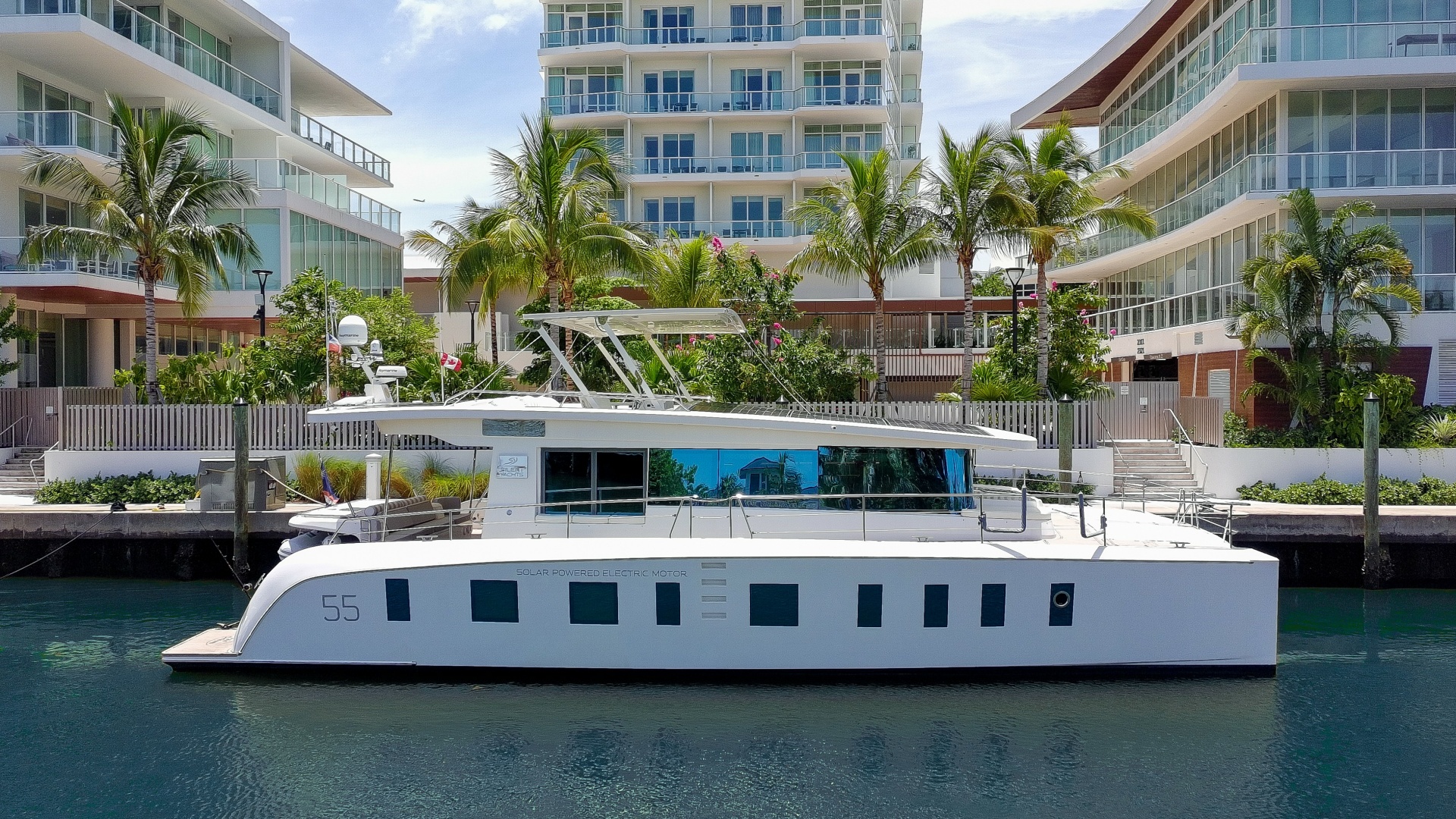
2019 Silent-Yachts Fair Dinkum
$1,599,000
55
Fort Lauderdale Florida

2026 Canados
49
Miami Florida

2026 Buddy Davis
47
Miami Florida
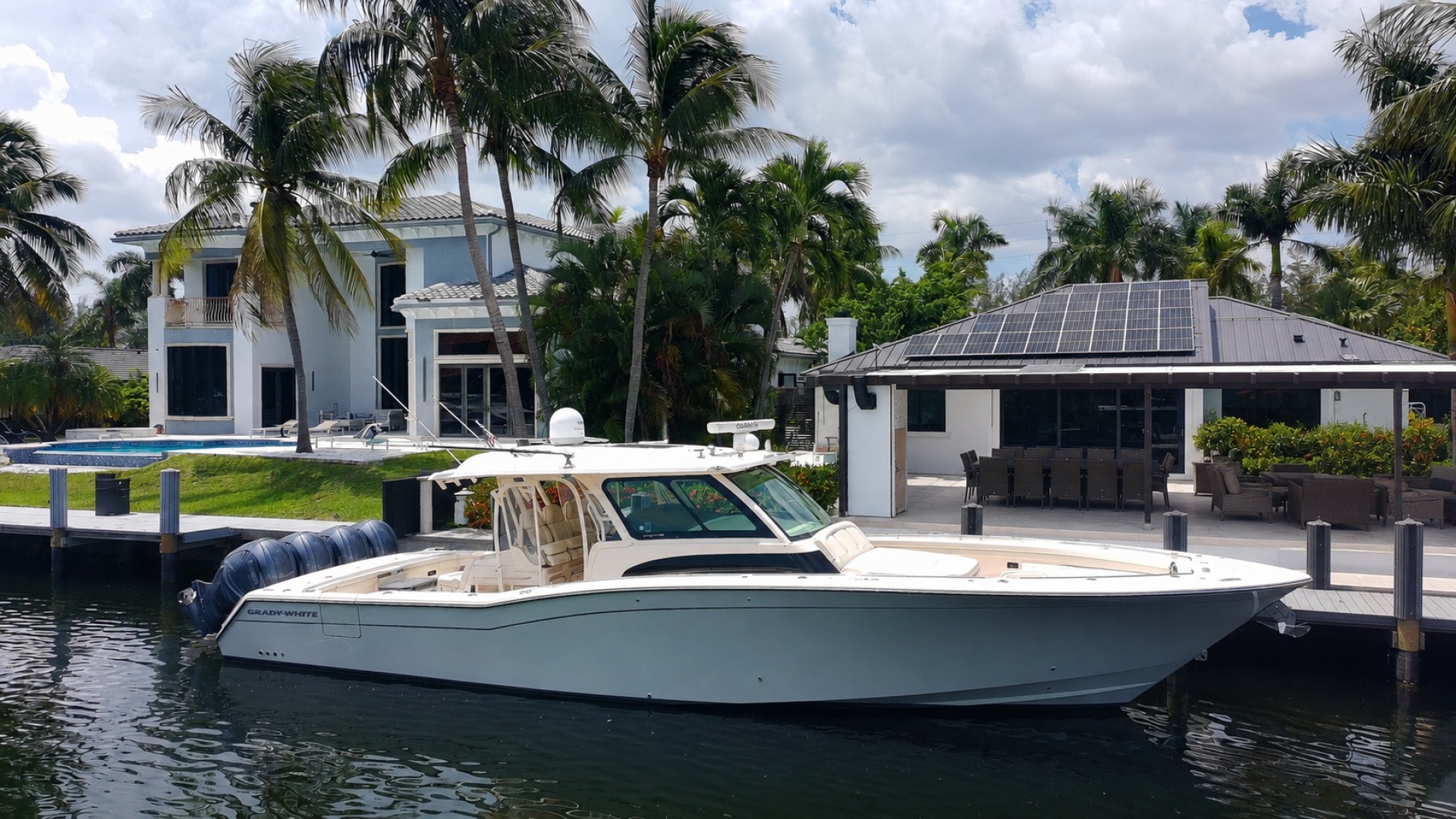
2020 Grady-White No Name
$610,000
45
Hallandale Beach Florida
2020 Viking Huckleberry
$1,495,000
44
Fort Lauderdale Florida

2027 Canados
43
Miami Florida
2021 Intrepid Dream Faster
$730,000
40
Coral Gables Florida

2016 Edgewater
$299,000
37
Miami, Florida

2022 Avid
$56,900
23
Stuart Florida
Get your yacht value Estimate
"*" indicates required fields