

Yacht investment looks straightforward until it isn’t. Even seasoned investors with diversified portfolios regularly walk into yacht purchases underestimating operational costs, overestimating charter returns, and ignoring legal structures that could expose them to significant liability. The result? Millions spent with far less value returned. This guide cuts through the noise and gives you a clear, evidence-based roadmap covering every stage of the process, from setting your goals and assembling the right team to closing the deal, managing costs, and understanding what realistic returns actually look like in 2026.
Table of Contents
- Prepare: Define goals, structure, and team
- Step-by-step investment and purchase workflow
- Cost, financing, and strategic ownership structures
- Charter income, depreciation, and market trends
- Alternative models: Fractional ownership, co-ownership, and risk diversification
- A smarter way to own: Editor’s perspective on yachts as investments
- Expert support for your yacht investment journey
- Frequently asked questions
Key Takeaways
| Point | Details |
|---|---|
| Set clear objectives | Define whether your yacht investment is primarily for lifestyle, charter income, or asset retention before proceeding. |
| Understand true costs | Expect 10-20% annual operating expenses and consider the impact of depreciation, financing, and tax structure. |
| Charters offset but rarely profit | Charter programs usually cover part of the costs but do not produce net investment returns. |
| Alternative models reduce risk | Fractional ownership and co-ownership can dramatically lower both upfront and operating costs. |
| Experts maximize value | Engaging brokers, lawyers, and managers with yacht-specific expertise protects your capital and peace of mind. |
Prepare: Define goals, structure, and team
With the challenges clear, the next step is to ensure you’re strategically prepared for the journey. Most costly mistakes happen before a single vessel is viewed. Getting your foundation right is everything.
Start by defining your primary purpose. Are you buying for personal lifestyle use, charter income, or a blend of both? This single decision shapes every financial and legal choice that follows. A yacht used primarily for personal enjoyment has a very different financial model than one placed into a managed charter fleet.
Budget realistically. Annual operating costs typically run 10-20% of the yacht’s purchase price every year. That means a $5M vessel may cost $500K to $1M annually just to operate, before any financing payments. Build this into your model from day one.
Your advisory team is non-negotiable. You need:
- A certified yacht broker with demonstrated experience in your target vessel category
- A maritime attorney to handle title, flag state registration, and contract review
- A tax consultant specializing in marine assets and cross-border structures
- A marine surveyor for independent technical assessment
Ownership structure matters enormously for liability protection and tax efficiency. Explore superyacht ownership structures early, as the right setup (LLC, corporation, or offshore entity) can protect personal assets and reduce your tax exposure significantly.

| Structure | Liability protection | Tax efficiency | Privacy |
|---|---|---|---|
| Personal ownership | Low | Minimal | Low |
| LLC | High | Moderate | High |
| Corporation | High | High | High |
| Offshore entity | Very high | High | Very high |
Pro Tip: Before viewing a single yacht, build a detailed use case document and a 5-year financial model. It forces clarity and gives your broker a precise brief to work from. Review the full ownership workflow guide to map every decision point before you start.
Step-by-step investment and purchase workflow
Now that you’ve mapped your investment strategy and assembled your team, follow these steps to proceed with confidence and clarity.
- Define requirements — vessel type, size, range, amenities, flag state preference, and intended use
- Set your budget — purchase price plus acquisition costs (typically 5-10% on top)
- Engage your broker — begin a structured ownership workflow with a formal search mandate
- Search and shortlist — review listings, attend private viewings, and assess sea trial candidates
- Submit an offer — negotiate price, terms, and contingencies through your broker
- Survey and sea trial — hire an independent surveyor; never skip this step
- Due diligence — title search, lien checks, flag state verification, and escrow setup
- Finance and structure — finalize your brokers’ role in transactions and confirm legal entity
- Close and deliver — sign closing documents, transfer funds via escrow, and take delivery
The step-by-step process for HNWI buyers follows this sequence consistently. Most purchases close in 4-8 weeks when a professional team executes cleanly.
| Model | Entry cost | Control | Flexibility | Risk |
|---|---|---|---|---|
| Direct purchase | Full price | Full | Full | High |
| Fractional ownership | 1/4 to 1/8 share | Shared | Scheduled | Lower |
| Co-ownership | Split cost | Shared | Negotiated | Shared |
Important: Private sales and “as is” deals require extra scrutiny. Title defects, undisclosed liens, and flag state irregularities are far more common in off-market transactions. Review yacht buying legalities carefully before proceeding.
Pro Tip: International and high-specification yachts often require additional weeks for flag state paperwork and customs clearance. Build buffer time into your closing timeline.
Cost, financing, and strategic ownership structures
Executing each step properly still requires a clear understanding of the financial architecture and ownership implications involved.
Yacht ownership costs fall into two categories: one-time acquisition costs and ongoing operational expenses.
One-time costs:
- Purchase price
- Survey and sea trial fees
- Import duties and taxes
- Registration and flag state fees
- Initial refit or upgrades
Annual operational costs:
- Crew salaries (typically the largest line item)
- Fuel, dockage, and marina fees
- Insurance (1-2% of vessel value annually)
- Maintenance and repairs
- Management fees if professionally managed
Financing a yacht follows a distinct model. Lenders typically require a 20-30% down payment with amortization terms of 10-20 years. Review our luxury yacht finance guide and explore all available financing options before approaching lenders.
| Scenario | Down payment | Annual ops cost | LLC advantage |
|---|---|---|---|
| $2M yacht | $400K-$600K | $200K-$400K | Liability + tax shield |
| $5M yacht | $1M-$1.5M | $500K-$1M | Privacy + depreciation |
| $10M yacht | $2M-$3M | $1M-$2M | Full corporate structure |
Ownership structure directly affects your tax exposure and liability. An LLC or corporate entity, as detailed in our superyacht ownership strategies guide, separates personal assets from vessel liabilities and can unlock depreciation benefits when the yacht is used commercially.
Charter income, depreciation, and market trends
Beyond managing costs and strategy, understanding what yield and resale look like is key to smart buying.
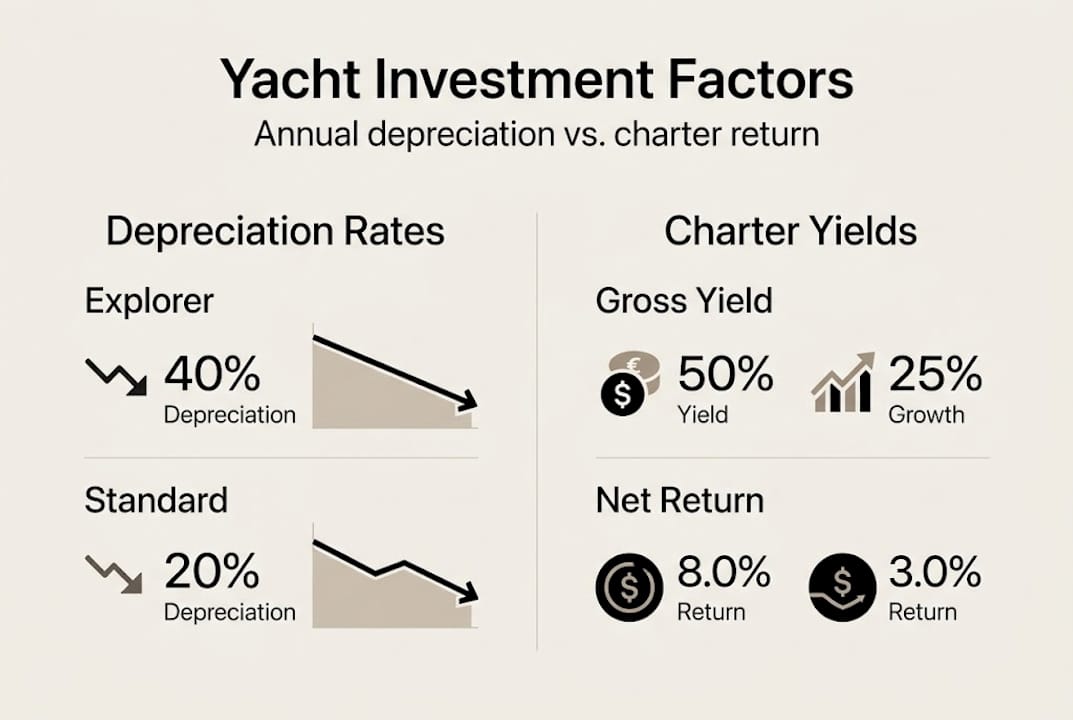
Charter income is often overstated in sales conversations. The reality is that charter income offsets roughly 20-60% of annual operating costs, with gross returns of 5-10% and net returns of just 2-4% after management fees, crew, and maintenance. Profitable charter operations are the exception, not the rule.
“Most yacht owners who enter charter programs expecting profit are surprised to find they’re simply reducing their losses. That’s still valuable, but it’s a very different expectation to manage.”
Depreciation is the other major factor. Explorer and displacement yachts depreciate at 3-7% annually, while standard motor yachts lose 5-10% per year. Premium brands retain value significantly better, making brand selection a genuine investment decision.
| Yacht type | Annual depreciation | Charter yield (gross) | Net charter return |
|---|---|---|---|
| Explorer/displacement | 3-7% | 5-8% | 2-3% |
| Motor yacht (standard) | 5-10% | 6-10% | 2-4% |
| Premium brand motor | 3-6% | 7-10% | 3-4% |
The broader market remains strong. The superyacht market reached $21.6 billion in 2025 with 470+ sales recorded globally. This steady growth supports asset liquidity for well-maintained, well-positioned vessels. Review our market trend insights and explore professional yacht management to protect your asset’s position in this market. For a deeper look at realistic returns, our yacht ROI guide breaks down the numbers by vessel type and usage scenario.
Alternative models: Fractional ownership, co-ownership, and risk diversification
Some buyers may benefit more from alternative models than outright ownership, and the numbers make a compelling case.
Fractional ownership means purchasing a defined share of a vessel, typically 1/4 to 1/8, with proportional use rights and cost responsibilities. Fractional ownership reduces both entry and annual costs by 60-90%. A 1/8 share in a $10M yacht costs approximately $1.25M, compared to $10M for sole ownership.
Key advantages of fractional and co-ownership models:
- Lower capital commitment with access to larger, higher-quality vessels
- Shared operational costs including crew, maintenance, and dockage
- Scheduled use that often matches realistic usage patterns for busy owners
- Reduced liability exposure when structured through a proper legal entity
- Easier exit through defined equity buyout or share transfer clauses
Co-ownership differs slightly in that it typically involves a smaller group (2-4 parties) with negotiated use schedules and shared decision-making. Both models work best when legal agreements are watertight from the start. Explore co-ownership yachts explained for a full breakdown of how these arrangements are structured.
Risk management in shared ownership depends on partner vetting and clear exit provisions. Our investment risk guide covers how to protect your interests in shared scenarios.
Pro Tip: Before entering any fractional or co-ownership agreement, verify the partner vetting process used by the management company and confirm that equity exit clauses are clearly defined in the operating agreement.
A smarter way to own: Editor’s perspective on yachts as investments
Here’s the honest truth most yacht sales conversations avoid: yachts are not investments in the traditional sense, and treating them as such leads to disappointment.
The buyers who genuinely thrive in yacht ownership are those who view the vessel as a lifestyle asset first, with ownership making the most sense when annual usage exceeds 6-8 weeks and when brand value and personal experience are the primary metrics of success.
We’ve seen buyers obsess over charter yield projections while ignoring crew management complexity, flag state compliance costs, and the reality that most charter programs require 15-20 weeks of bookings just to break even on operating costs. The math rarely works out the way the brochure suggests.
The smarter approach is to minimize pain points rather than chase elusive profits. That means getting your legal structure right before purchase, hiring professional management from day one, choosing a vessel with strong brand retention, and timing your resale with real-world ROI examples in mind rather than optimistic projections.
Pro Tip: Focus your energy on the three controllables: legal setup, management quality, and vessel selection. Everything else, including charter income and market timing, is largely outside your control.
Expert support for your yacht investment journey
Having set your course, working with the right experts ensures you avoid common pitfalls and achieve your unique goals. Yacht investment is not a process you want to navigate alone, especially at the level of complexity and capital involved.

At Yachting Experts, we provide a genuinely personalized, high-touch experience from your first conversation to your final closing document and beyond. Our team guides you through vessel sourcing, private viewings, legal structuring, financing, and ongoing management. Whether you’re exploring your ROI guide, reviewing personalized financing options, or building a full Florida investment strategy, we’re ready to make this process seamless, exciting, and rewarding. Reach out to our team today and let’s build your personalized yacht investment plan.
Frequently asked questions
What is the minimum investment to buy a yacht?
Most lenders require a 20-30% down payment with annual operations adding 10-20% of vessel value, making meaningful entry typically over $1-2 million for quality vessels.
Can yacht investment be profitable?
Charter net returns average just 2-4% after fees and costs, so yachts rarely generate true net profit and are best viewed as lifestyle assets with partial cost offset.
How long does it take to close a yacht purchase?
Most purchases close within 4-8 weeks for straightforward transactions when a professional broker and advisory team are engaged from the start.
What are the alternative ways to invest in yachts?
Fractional and co-ownership models cut costs by 60-90%, allowing shared risk, reduced capital commitment, and flexible use schedules suited to most HNWI usage patterns.
Does owning a premium brand or explorer yacht affect ROI?
Premium and explorer yachts depreciate at just 3-7% annually, retaining value significantly better than standard motor yachts and improving your resale position over time.
Recommended
Request A Call
Featured Listings

2027 Canados
100
Miami Florida

2015 Maiora
$3,750,000
90
Miami Florida

2027 Canados
57
Miami Florida
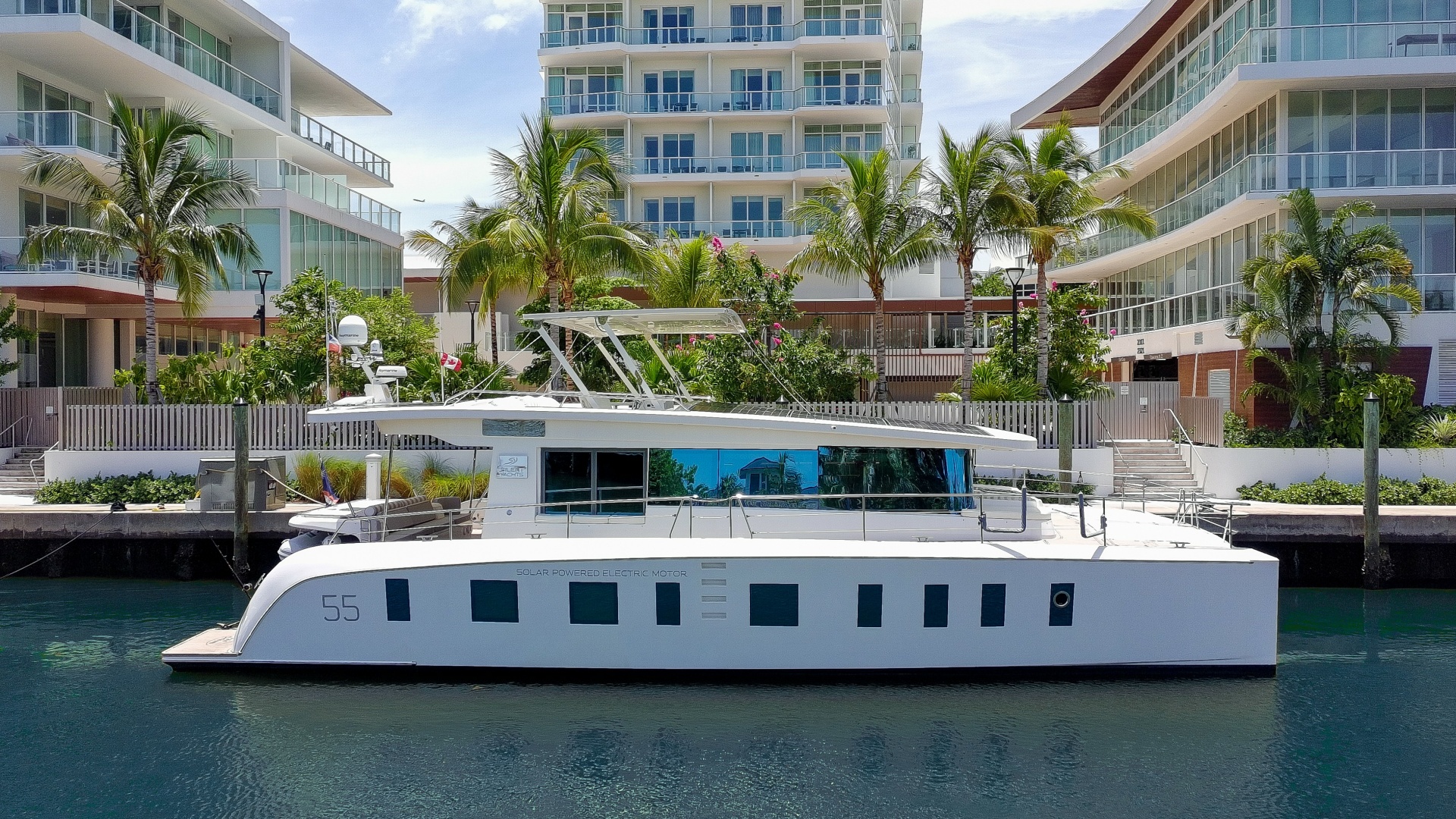
2019 Silent-Yachts Fair Dinkum
$1,599,000
55
Fort Lauderdale Florida

2026 Canados
49
Miami Florida

2026 Buddy Davis
47
Miami Florida
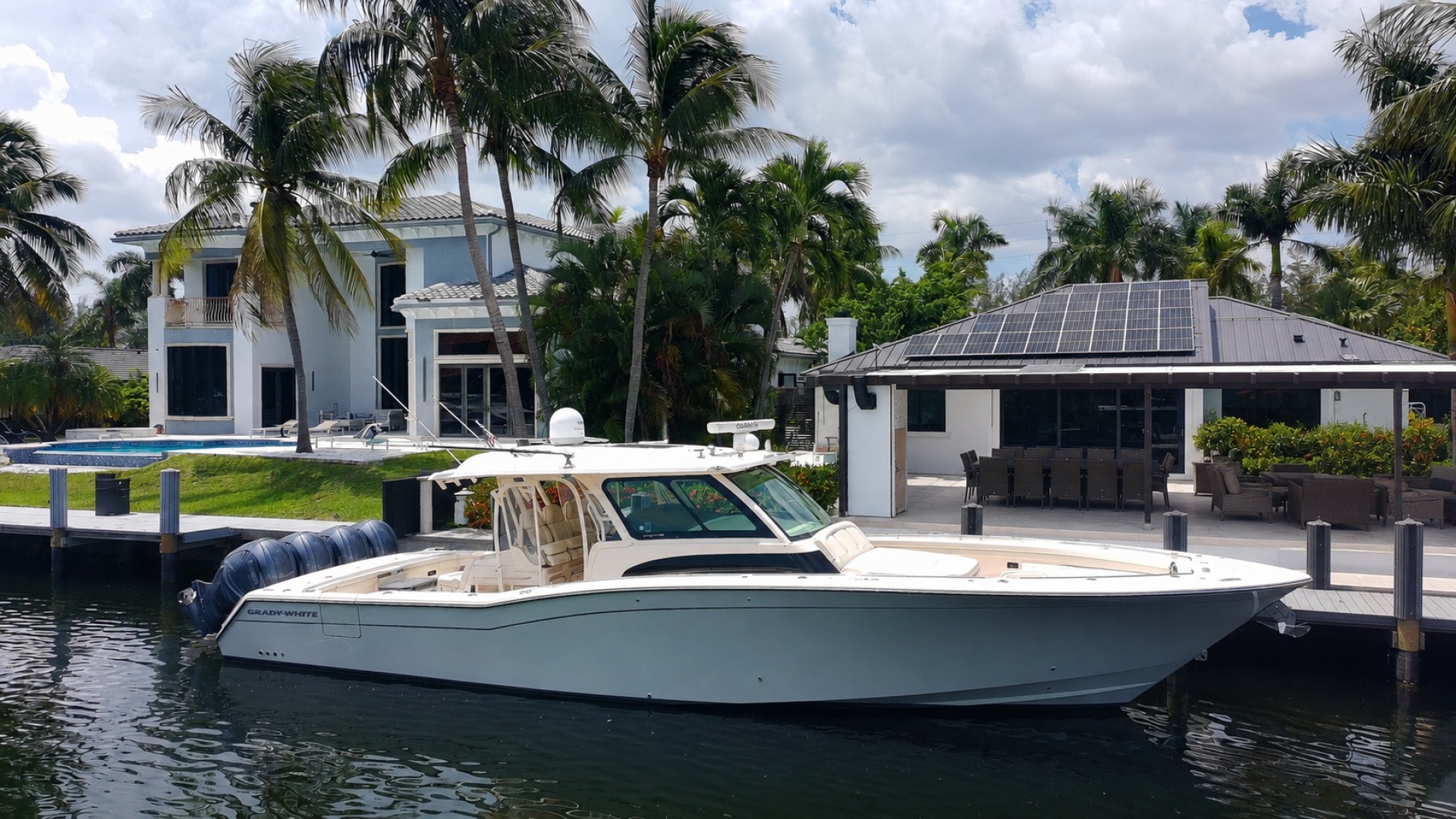
2020 Grady-White No Name
$610,000
45
Hallandale Beach Florida
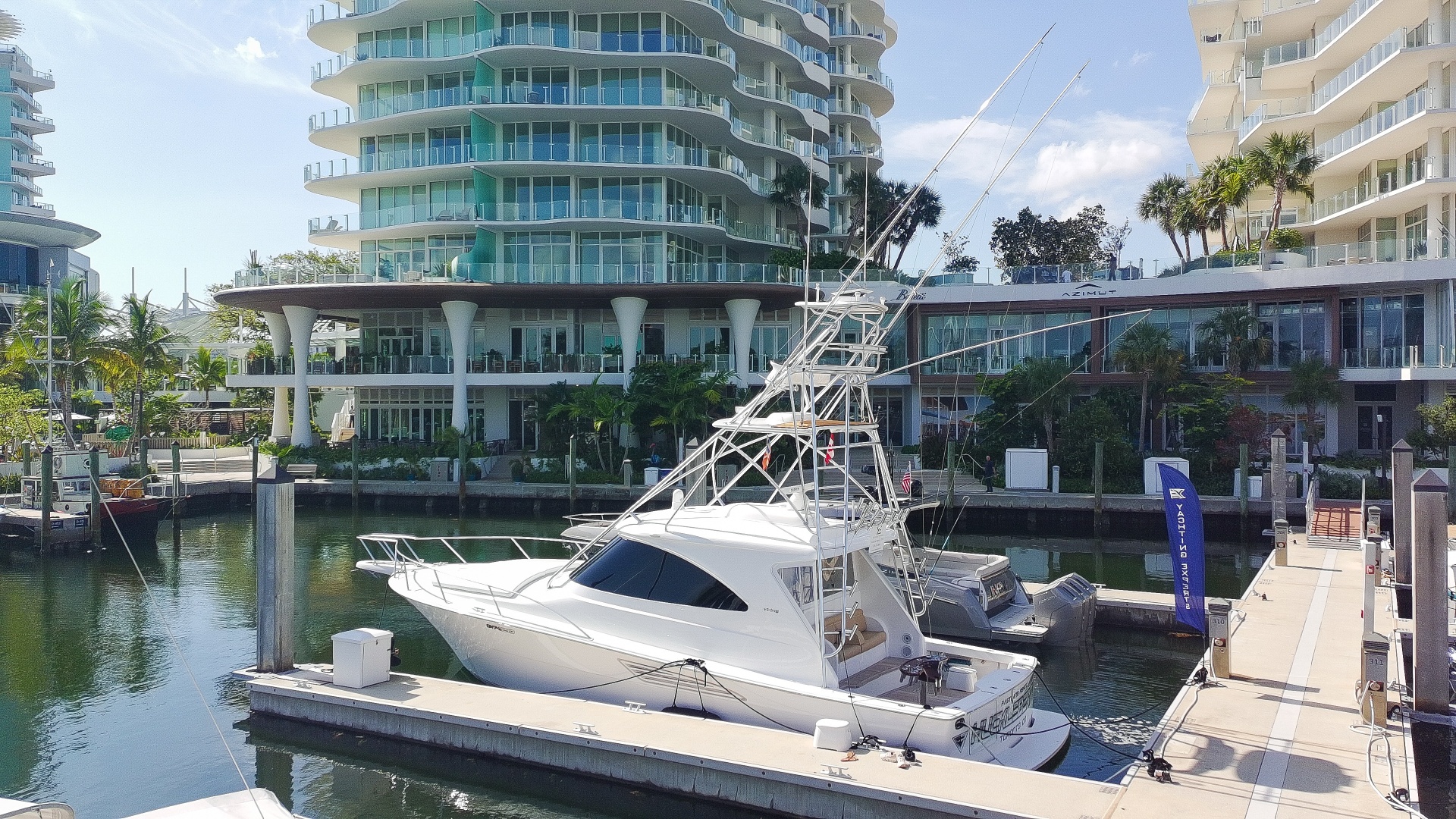
2020 Viking Huckleberry
$1,495,000
44
Fort Lauderdale Florida

2027 Canados
43
Miami Florida
2021 Intrepid Dream Faster
$730,000
40
Coral Gables Florida

2016 Edgewater
$299,000
37
Miami, Florida

2022 Avid
$56,900
23
Stuart Florida
Get your yacht value Estimate
"*" indicates required fields