

Step by step boat buying is a structured process that takes first-time buyers from defining their needs all the way through legal registration, and skipping any stage is where costly mistakes happen. The industry term for this process is “vessel acquisition,” but most buyers simply call it buying a boat. Either way, the path is the same: define your needs, research options, inspect thoroughly, secure financing, handle the paperwork, and set up for ownership. This guide walks you through every stage so your first purchase feels exciting rather than overwhelming.
How to determine your boat needs and budget
The single biggest mistake first-time buyers make is falling in love with a boat before defining what they actually need it to do. Start with use case. A family wanting calm-water day trips needs something completely different from a serious offshore angler or a sailor planning coastal cruising. Get specific about passenger count, water type (lake, bay, ocean), and how often you realistically plan to go out.
Once you know your use case, match it to a boat type:
- Bowrider: Family recreation, swimming, and light water sports on lakes and bays
- Center console: Fishing-focused, open layout, handles chop well
- Pontoon: Calm-water entertaining, high passenger capacity, easy to handle
- Cuddy cabin: Weekend overnights, light offshore capability
- Sailboat: Long-distance cruising, wind-powered, lower fuel costs
- Deck boat: Versatile family use, more space than a bowrider
Budget is where many first-timers underestimate badly. The purchase price is only part of the picture. Factor in annual maintenance (typically 10% of the boat’s value), storage or slip fees, fuel, insurance, and safety gear. A detailed look at ongoing ownership costs will show you that a $30,000 boat can easily cost $5,000 to $8,000 per year to own properly.
Pro Tip: Set your total first-year budget, then work backward to a purchase price. If your all-in first-year budget is $15,000, your boat purchase should probably land between $8,000 and $10,000 to leave room for setup costs.
How to research and compare boats: new vs. used
New boats come with manufacturer warranties, the latest safety technology, and zero unknown history. Used boats offer significantly lower entry prices and let someone else absorb the steepest depreciation. For most first-time buyers, a well-maintained used boat from a reputable dealer or private seller is the smarter financial move.
| Factor | New boat | Used boat |
|---|---|---|
| Price | Full retail, higher financing | 20–50% less than new |
| Warranty | Full manufacturer coverage | Limited or none |
| Condition history | Unknown (it’s new) | Requires verification |
| Depreciation | Hits you immediately | Already absorbed |
| Customization | Order to spec | Take it as-is |
Online platforms like Boat Trader, YachtWorld, and BoatUS Marketplace are the standard starting points for online boat shopping. Scam awareness matters here. If a price looks dramatically below market, it almost certainly is. Never wire money or pay a deposit before an in-person inspection.
When you contact sellers, ask these questions before visiting:
- Why are you selling?
- How many hours are on the engine?
- Has the boat ever been in a collision or run aground?
- Are all original service records available?
- Is the title clear and in your name?
Certified pre-owned programs from dealers like MarineMax or Freedom Boat Club’s partner dealers add a layer of protection that private sales do not. For first-time buyers, that peace of mind often justifies a modest price premium.
What does a proper boat inspection involve?
A thorough pre-purchase inspection is the single most protective step in the entire boat buying process. Avoiding late-stage surprises requires verifying titles, conducting thorough physical checks, and sea testing before signing anything.
There are two types of professional marine surveys, and choosing the wrong one leaves you exposed. A Pre-Purchase Survey is buyer-focused and more comprehensive. It covers structural integrity, mechanical systems, safety equipment, and overall condition. A Condition and Valuation (C&V) Survey is focused on satisfying lenders and insurers. It establishes value but does not go as deep on defects. If you are buying a used boat, you want a Pre-Purchase Survey.
Here is a numbered inspection sequence to follow:
- Hull and deck: Check for stress cracks, osmotic blistering, soft spots, and delamination
- Engine and drive: Inspect for corrosion, fluid leaks, belt condition, and hour meter reading
- Electrical systems: Test all lights, bilge pumps, navigation electronics, and battery condition
- Fuel system: Look for hose deterioration, tank condition, and proper ventilation
- Safety equipment: Verify flares, fire extinguishers, life jackets, and EPIRBs are present and current
- Documentation: Confirm HIN (Hull Identification Number) matches the title, and review all maintenance records
The sea trial is non-negotiable. A sea trial during surveys confirms engine performance and vessel handling under real load conditions. Run the boat at full throttle, test reverse, and check how she handles in a turn. Problems that hide at the dock show up immediately on the water.
Pro Tip: Hire a surveyor certified by the Society of Accredited Marine Surveyors (SAMS) or the National Association of Marine Surveyors (NAMS). Their reports carry weight with lenders and insurers, and they have no incentive to hide problems. Our pre-purchase buyer’s guide walks through exactly what to expect from this process.
How does boat financing and insurance actually work?
Marine financing works similarly to auto loans but with some important differences. Most lenders require a down payment of 10% to 20%, and loan terms typically range from 5 to 20 years depending on the boat’s value. Credit unions like Navy Federal and USAA, along with specialty marine lenders like Essex Credit and Trident Funding, offer competitive rates. Your credit score, debt-to-income ratio, and the boat’s age all affect your rate.

Boat insurance costs approximately 1.5% of the boat’s total value annually. That means a $20,000 boat runs roughly $300 per year to insure. This is a relatively low cost for the protection it provides, covering hull damage, liability, and sometimes towing. Agreed value policies pay the full insured amount if the boat is totaled; actual cash value policies depreciate the payout. For a new or near-new boat, agreed value coverage is worth the slightly higher premium.
The legal paperwork at closing requires these documents:
- Signed bill of sale with buyer and seller names, HIN, make, model, year, and sale date
- Clear title in the seller’s name (or a lien release if a loan existed)
- Completed state registration application
- Proof of insurance before the boat leaves the dock
- Sales tax payment receipt or exemption documentation
State requirements vary significantly. Virginia requires both a Certificate of Title and Certificate of Number for powered boats, submitted together with purchase price documentation. Colorado takes a different approach: a bill of sale serves as temporary registration for 30 days, provided it includes all required details, letting you operate the boat while official paperwork processes. Check your state’s specific rules before closing day so nothing delays your first trip out.
Sales tax on boats is calculated at the time of purchase in most states, though a few states collect it at registration. Some buyers attempt to time purchases across state lines to reduce tax liability. This strategy has legal limits and is worth discussing with a marine attorney before attempting.
What to do right after you buy a boat
The week after purchase is surprisingly busy, and skipping steps here creates real problems down the road. Organizing legal, financial, and safety measures before and immediately after closing makes the ownership transition smooth.
Start with registration. Submit your application to your state’s wildlife or DMV agency immediately. Most states mail registration decals and cards within two to four weeks. Until they arrive, carry your bill of sale or temporary registration on board at all times.
Storage and moorage should be arranged before you close, not after. Marina slip waitlists in popular areas can run months long. Atlantis Marina and similar facilities publish slip pricing and availability online, so you can compare options and reserve early. Dry storage is cheaper than a wet slip and works well for trailerable boats under 30 feet.
Your post-purchase equipment checklist:
- Personal flotation devices (PFDs): One Coast Guard-approved PFD per person on board, plus one throwable device
- Fire extinguisher: At minimum one B-I rated extinguisher for boats under 26 feet
- Visual distress signals: Flares or electronic alternatives for boats on coastal waters
- Navigation lights: Verified working before any night operation
- Sound-producing device: Horn or whistle required by federal law
- First aid kit and anchor: Not legally required everywhere, but practically non-negotiable
Pro Tip: Schedule your first outing as a shakedown cruise close to home. Run every system, test every piece of equipment, and note anything that needs attention before you take passengers out. This one habit saves new owners from embarrassing and sometimes dangerous situations.
Key takeaways
Buying your first boat successfully requires defining your use case, budgeting for total ownership costs, inspecting thoroughly with a certified marine surveyor, and completing all legal paperwork before the boat leaves the dock.
| Point | Details |
|---|---|
| Define use case first | Match boat type to your actual activities before setting a budget or searching listings. |
| Budget beyond purchase price | Annual ownership costs often reach 10% of the boat’s value; plan for this from day one. |
| Choose the right survey | A Pre-Purchase Survey protects buyers; a C&V Survey serves lenders and insurers. |
| Verify title and state rules | Colorado and Virginia show how dramatically registration requirements differ by state. |
| Complete post-purchase steps fast | Register immediately, arrange storage in advance, and stock required safety gear before your first trip. |
What I’ve learned watching first-timers buy boats
I’ve worked with hundreds of first-time buyers at Yachtingexperts, and the pattern is almost always the same. They spend weeks researching horsepower and hull designs, then rush the inspection and paperwork because they are excited to close. That’s exactly backward.
The buyers who end up happiest are the ones who slow down at the inspection stage. One client nearly purchased a 28-foot center console with a cracked stringer that the seller had painted over. A SAMS-certified surveyor caught it in 20 minutes. That discovery saved the buyer roughly $12,000 in structural repairs and gave him the leverage to either renegotiate or walk away.
My honest advice: treat the marine survey as the most important $500 to $800 you spend in the entire process. The survey fee is fixed. The cost of buying a boat with hidden problems is not. I also tell every first-timer to build a relationship with a broker or dealer they trust before they start shopping, not after. A good broker knows which sellers are motivated, which listings are overpriced, and which boats have been sitting because something is wrong. That market insight is genuinely hard to replicate on your own.
Patience is the underrated skill in boat buying. The right boat at the right price exists. It just requires waiting for it.
— Jason
Ready to buy your first boat? We can help
Stepping aboard your first boat should feel like the start of something great, not the end of a stressful process. At Yachtingexperts, we offer personalized buying assistance from vessel sourcing and private viewings through to financing guidance and registration support.

Our team has helped first-time buyers across the country find the right boat at the right price, with zero guesswork on the legal and financial side. Whether you are looking at a $15,000 fishing boat or a $150,000 cruiser, we hold your hand through every step. Visit our boat buying support page to connect with our team and get started. When you are ready to trade up later, we will be right there to help you sell profitably too.
FAQ
What is the first step in buying a boat?
Define your intended use and set a realistic total budget before looking at any listings. Knowing whether you need a fishing boat, family cruiser, or sailing vessel narrows the field dramatically and prevents emotional overspending.
How much does a marine survey cost?
A Pre-Purchase Survey typically costs between $500 and $800 depending on boat size and location. It is the most protective investment a buyer can make, as it uncovers hidden structural, mechanical, and safety issues before purchase.
How long does boat registration take after purchase?
Most states process registration within two to four weeks of application. States like Colorado allow a bill of sale as temporary registration for 30 days, so you can legally operate the boat while waiting for official decals.
What insurance do I need for a new boat?
At minimum, you need hull and liability coverage. Boat insurance costs roughly 1.5% of the boat’s value annually, and agreed value policies are preferable to actual cash value policies for newer or higher-value vessels.
What documents do I need to complete a boat purchase?
You need a signed bill of sale, a clear title from the seller, a completed state registration application, proof of insurance, and a sales tax payment receipt. Virginia and Colorado are two examples of states with specific documentation requirements that differ from each other.
Recommended
Request A Call
Featured Listings

2027 Canados
100
Miami Florida

2015 Maiora
$3,750,000
90
Miami Florida

2027 Canados
57
Miami Florida
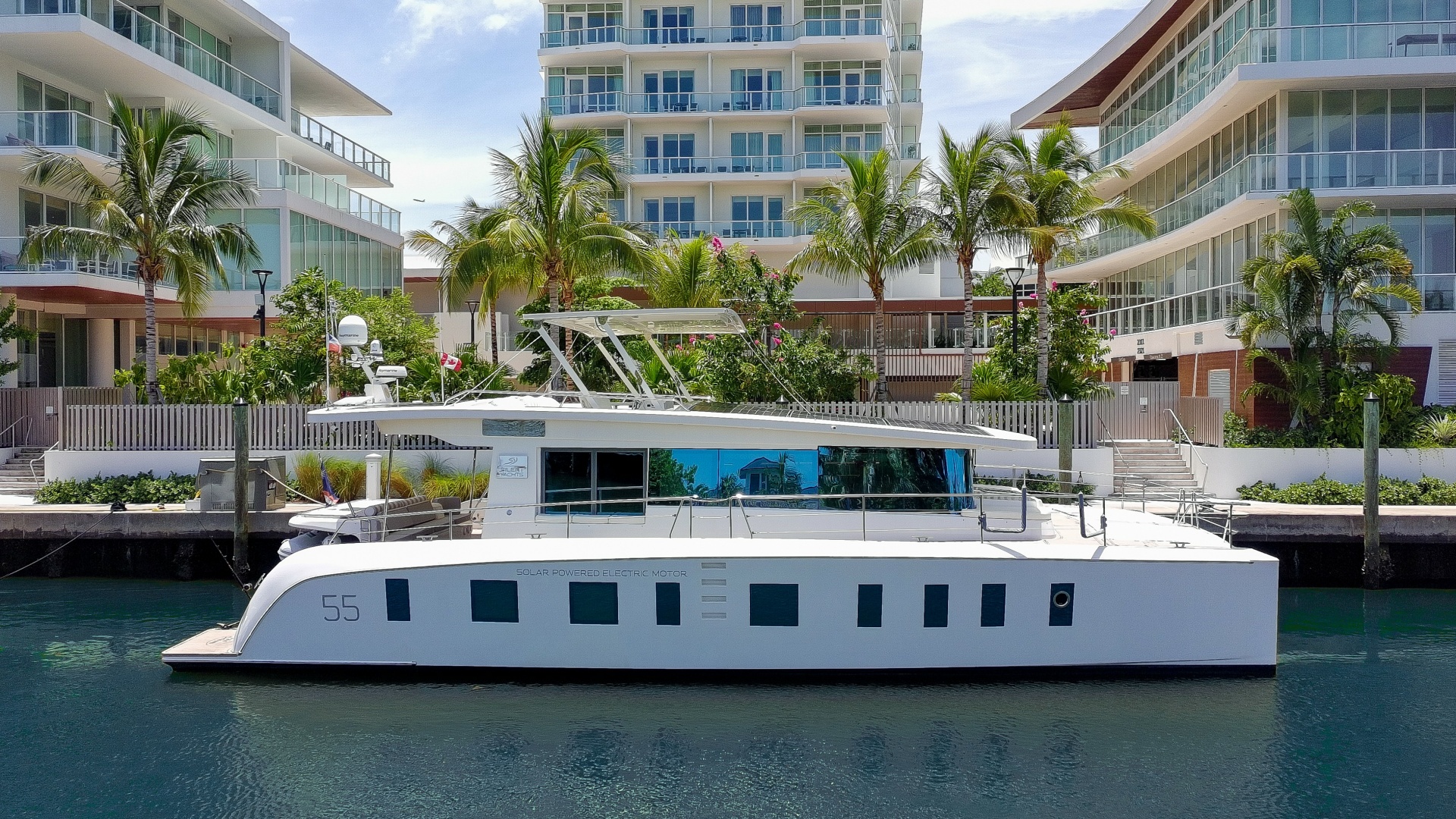
2019 Silent-Yachts Fair Dinkum
$1,599,000
55
Fort Lauderdale Florida

2026 Canados
49
Miami Florida

2026 Buddy Davis
47
Miami Florida
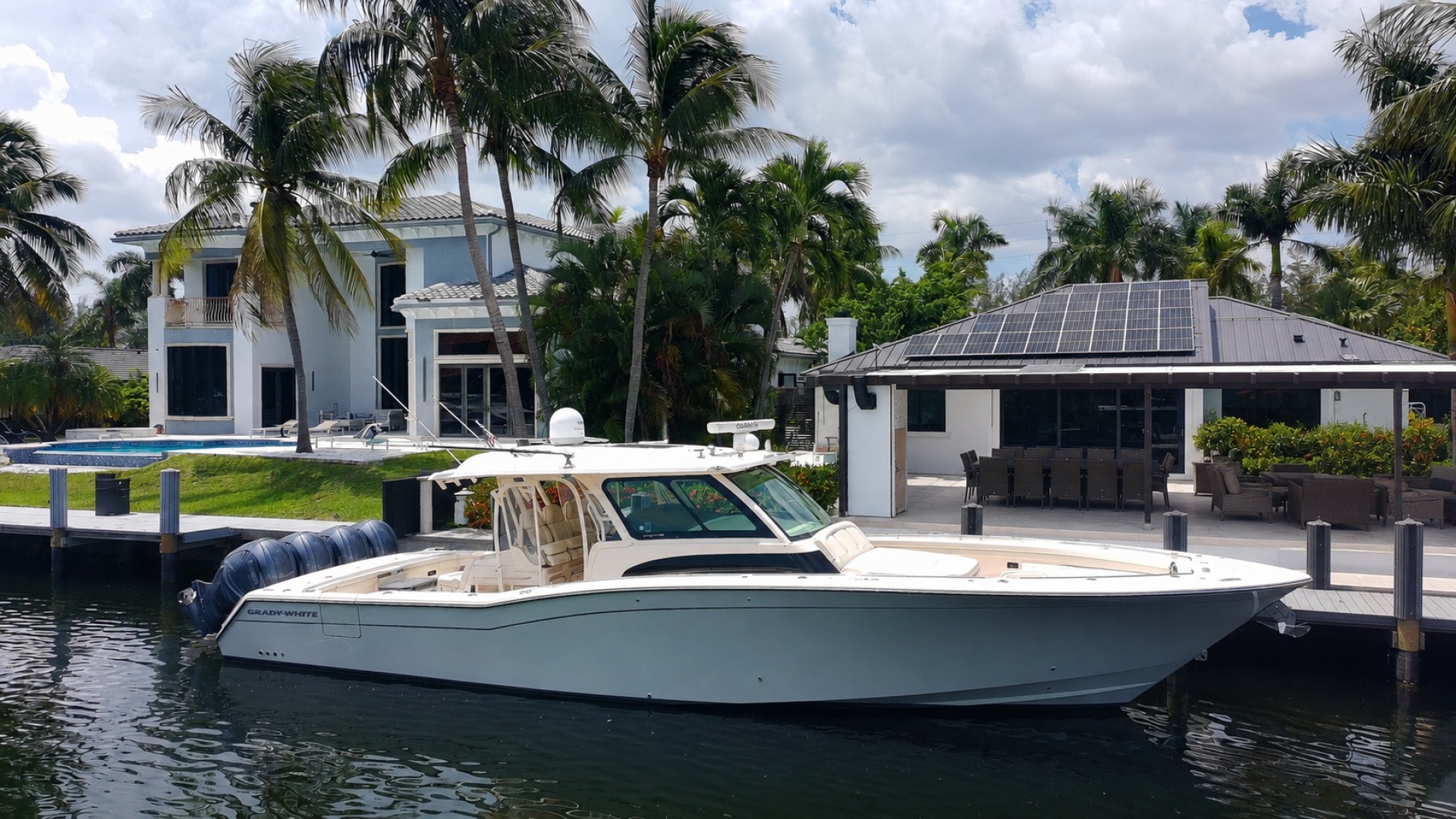
2020 Grady-White No Name
$610,000
45
Hallandale Beach Florida
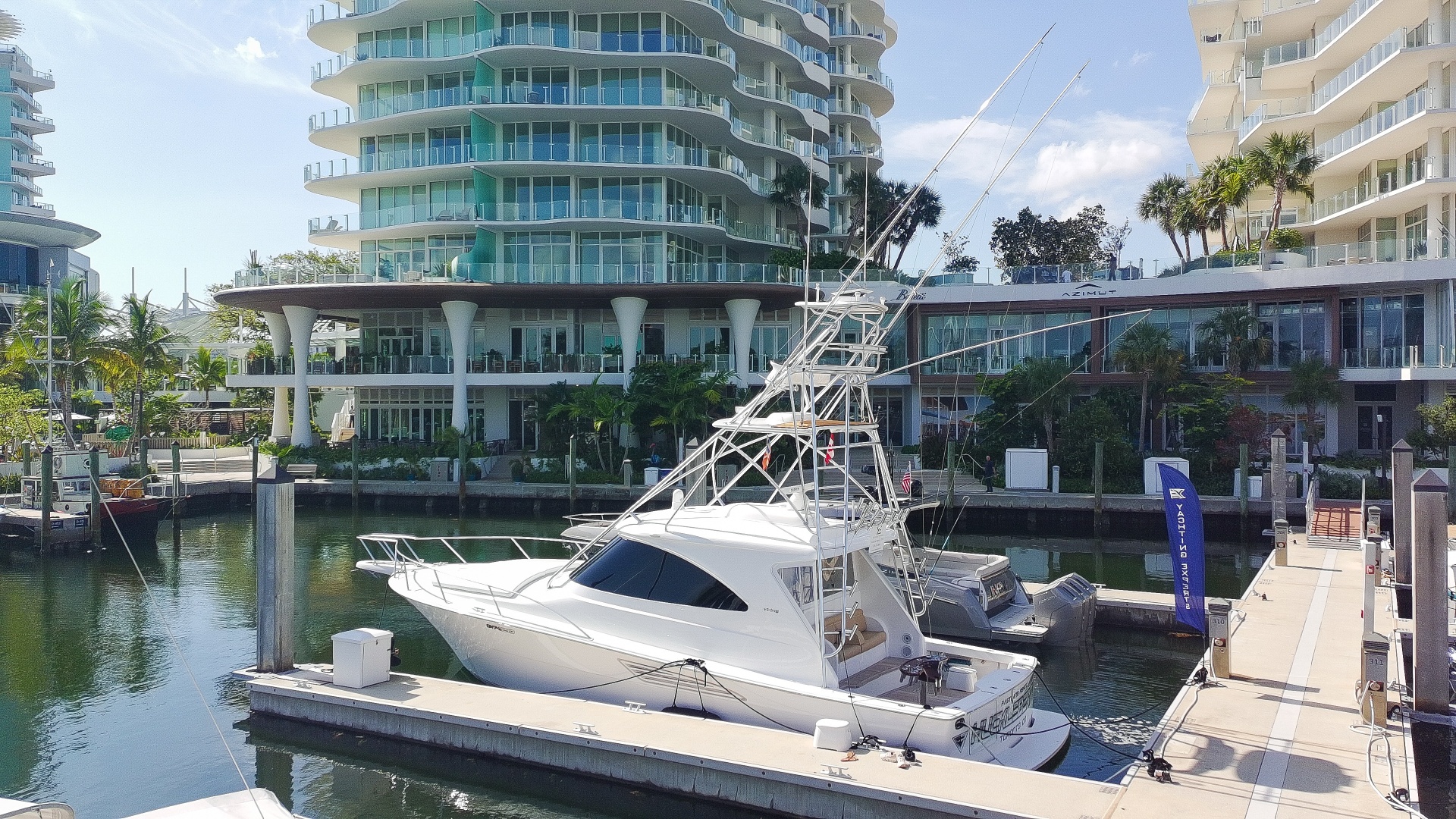
2020 Viking Huckleberry
$1,495,000
44
Fort Lauderdale Florida

2027 Canados
43
Miami Florida

2016 Edgewater
$299,000
37
Miami, Florida

2022 Avid
$56,900
23
Stuart Florida
Get your yacht value Estimate
"*" indicates required fields