

Many Florida boat owners make a costly assumption: that a quick online search or a NADA guide lookup is enough to set a fair price before buying or selling. It is not. The role of boat appraisals goes far beyond generating a ballpark number. A certified appraisal protects your investment, satisfies lenders and insurers, holds up in court, and gives you a defensible figure no website can match. Whether you are selling a center console in Miami or financing a sportfish in Fort Lauderdale, understanding what a professional appraisal actually does puts money back in your pocket and risk off your plate.
Table of Contents
- What boat appraisals are and why they matter in Florida
- How professional boat appraisals differ from condition surveys
- Key factors that impact a boat’s appraised value in Florida
- Navigating the boat appraisal process in Florida: what to expect and prepare
- Why accurate boat appraisals are critical for insurance and legal matters in Florida
- Why many Florida boat buyers and sellers underestimate the value of professional appraisals
- How professional appraisal services can maximize your Florida boat investment
- Frequently asked questions
What boat appraisals are and why they matter in Florida
A boat appraisal is a formal, documented assessment of a vessel’s fair market value conducted by a credentialed marine professional. It is not the same as a quick inspection or a seller’s asking price. The appraiser examines the physical condition of the boat, compares it to recent regional sales, accounts for upgrades and depreciation, and delivers a written report that outside parties can trust.
Boat appraisals determine fair market value for buying, selling, insurance coverage, financing approvals, estate settlements, legal disputes, and tax matters. The resulting report is accepted by banks, insurance companies, courts, and the IRS. That breadth of acceptance is what separates a professional appraisal from any tool you find online.
Florida adds its own layer of complexity. The state’s marine market is one of the most active in the country, with a wide range of vessel types, price points, and buyers competing across saltwater and freshwater environments. Saltwater exposure, hurricane history, and seasonal demand all influence value in ways that national databases simply cannot capture. A Florida-specific yacht valuation accounts for those realities directly.
Common uses for a certified boat appraisal include:
- 🔵 Pre-purchase due diligence for buyers financing a vessel
- 🔵 Listing support for sellers who want a defensible asking price
- 🔵 Insurance agreed value documentation to prevent underinsurance
- 🔵 Lender submissions for boat loans and refinancing
- 🔵 Estate settlements and probate proceedings
- 🔵 Divorce asset division requiring documented fair market value
- 🔵 IRS charitable donation substantiation for donated vessels
How professional boat appraisals differ from condition surveys
This is where many buyers and sellers get confused. A condition and valuation (C&V) survey is performed by a marine surveyor and covers the physical and mechanical state of the vessel, often with a general value estimate attached. Useful? Absolutely. But it is not the same as a formal appraisal.
A professional boat appraisal focuses specifically on monetary fair market value using a standardized methodology. The most important standard is USPAP compliance — the Uniform Standards of Professional Appraisal Practice — which gives the report legal and financial credibility. USPAP-compliant reports are what lenders, insurers, and courts expect when significant money or liability is on the line.
Appraiser accreditation matters too. The Society of Accredited Marine Surveyors (SAMS) awards the AMS designation to surveyors who meet experience requirements and pass rigorous exams. SAMS AMS credentials are often required by lenders specifically because the designation signals objective, unbiased valuations. The American Society of Appraisers (ASA) operates under a similar framework on the appraisal side.
Before your next transaction, review our yacht surveys Florida guide to understand exactly which report type your specific situation demands.
Quick comparison: professional appraisal vs. C&V survey
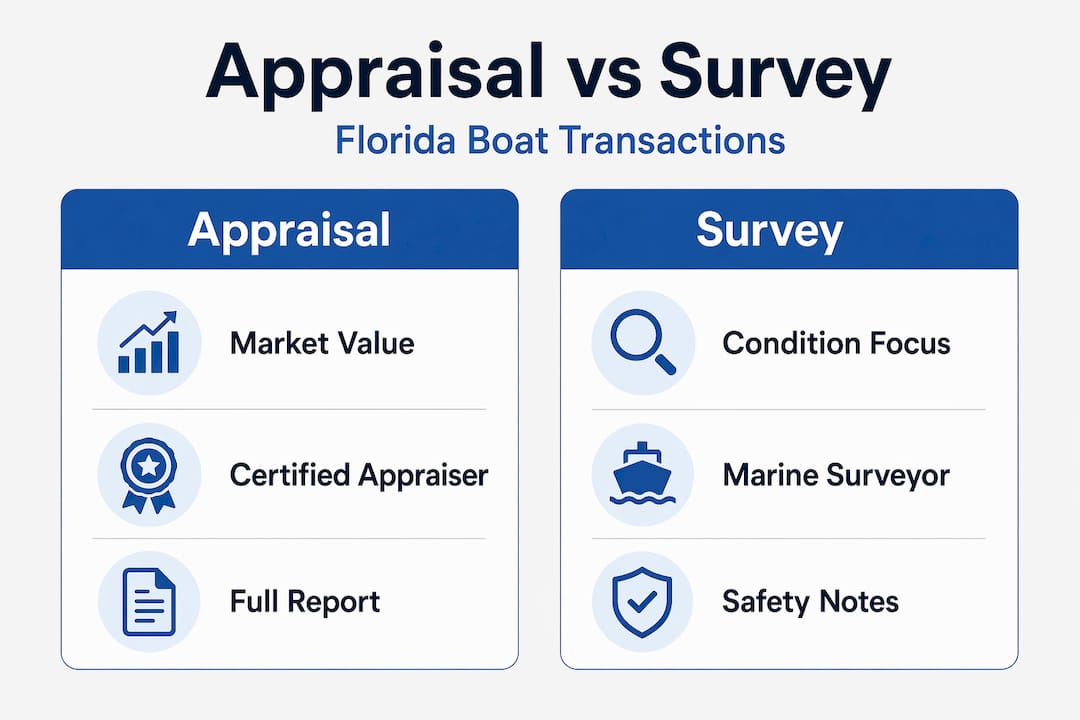
| Feature | Professional appraisal | C&V survey |
|---|---|---|
| Primary focus | Fair market value | Physical condition + basic value |
| USPAP compliance | Required | Not required |
| Accepted by lenders | Yes | Varies |
| Accepted by courts/IRS | Yes | Rarely |
| Accreditation required | ASA or SAMS AMS | SAMS, NAMS, or other |
| Typical use case | Financing, legal, insurance | Pre-purchase inspection |
When do you need a formal appraisal over a C&V survey?
- When applying for a boat loan or refinancing
- When documenting agreed value for insurance
- When settling an estate or dividing marital assets
- When donating a vessel to charity and claiming a tax deduction
- When your transaction value exceeds $100,000 and lenders are involved
Pro Tip: If your bank or insurance company asks for a “survey,” confirm whether they actually need a USPAP-compliant appraisal. Many buyers lose time and money ordering the wrong report, only to start over when the lender rejects it.
Key factors that impact a boat’s appraised value in Florida
Two boats of the same make, model, and year can carry dramatically different appraised values. Here is why.
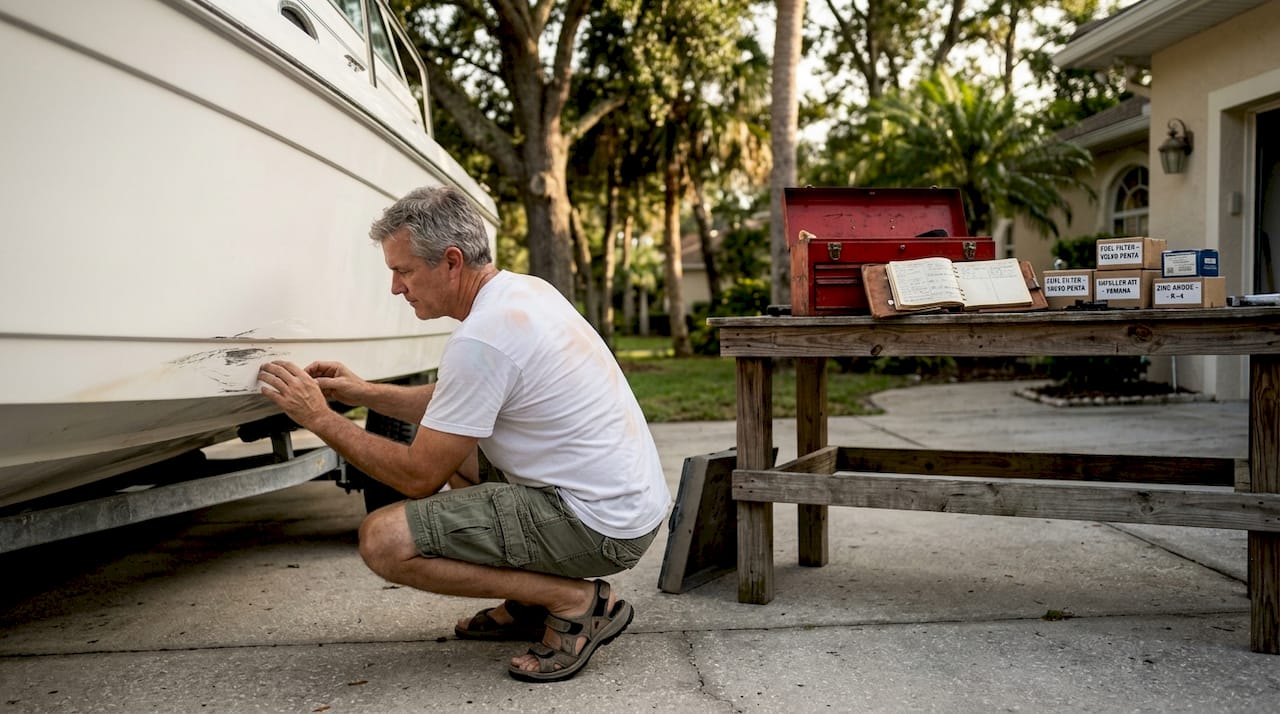
Factors driving appraised value include age, size, hull integrity, engine hours, documented upgrades, maintenance history, and comparable regional sales. In Florida, one additional factor outweighs almost everything else for used boats: saltwater exposure. Saltwater accelerates corrosion on engines and electrical systems at a rate that freshwater exposure simply does not match. A boat with zero maintenance records and high engine hours on Florida saltwater can lose 20 to 30 percent of its expected market value before the appraiser even looks at the cosmetics.
The main value drivers your appraiser will assess:
- ✅ Hull condition, gelcoat integrity, and evidence of osmotic blistering
- ✅ Engine hours and service history (low hours with documentation are gold)
- ✅ Electrical system condition, especially in saltwater-exposed vessels
- ✅ Upgrades: electronics, rigging, outdrives, props, canvas, and upholstery
- ✅ Storage history (covered vs. uncovered, freshwater rinse practices)
- ✅ Regional comparable sales data from Florida’s active marine market
What appraisers actually check during an on-site inspection:
- Review the Hull Identification Number (HIN) and cross-check registration documents
- Inspect the hull exterior for damage, repairs, blistering, and structural integrity
- Evaluate the engine compartment including fluid levels, hose condition, and corrosion
- Test onboard electrical systems, bilge pumps, navigation lights, and electronics
- Examine the deck hardware, cleats, rails, and any structural components
- Review all provided maintenance logs, upgrade receipts, and prior survey reports
- Conduct a sea trial when appropriate to assess performance at speed
- Cross-reference the physical findings against recent regional comparable sales
Understanding these factors can dramatically shift how you prepare. Read our guide on maximizing vessel worth before your appraisal to present your boat at its best. And if you want to understand how appraisals directly support your return on investment, yacht valuations and ROI breaks that connection down clearly.
Pro Tip: Fresh antifouling paint and a clean engine compartment are not cosmetic extras. Appraisers note evidence of consistent upkeep. A boat that looks maintained communicates lower risk and often earns a meaningfully higher valuation.
Navigating the boat appraisal process in Florida: what to expect and prepare
Knowing value drivers is one thing. Walking through the actual process confidently is another.
Professional appraisals in Florida typically cost $20 to $30 per linear foot, with additional fees for haul-out when a below-waterline inspection is needed. The process from initial inspection to final report delivery generally runs three to seven business days. For a 40-foot vessel, you are likely looking at $800 to $1,200 before haul-out fees, which are typically billed separately by the boatyard.
The step-by-step appraisal process for Florida boat owners:
- Select a credentialed appraiser. Look for ASA or SAMS AMS accreditation and experience with your vessel type.
- Schedule the inspection. Coordinate access to the boat, ideally at the marina or a boatyard where haul-out is possible.
- Prepare your documents. Full documentation including maintenance logs, upgrade receipts, and prior surveys prevents value drops and speeds up report accuracy.
- Complete the on-site inspection. Plan for two to four hours depending on vessel size and complexity.
- Receive the written appraisal report. Review it carefully before submitting it to a lender, insurer, or legal proceeding.
Documents to have ready before your appraiser arrives:
- Boat title and current registration
- Hull Identification Number (HIN) card
- Engine maintenance logs and service receipts
- Upgrade receipts (electronics, rigging, canvas, etc.)
- Prior survey or appraisal reports
- Marina storage receipts that confirm storage conditions
Basic vs. full appraisal service comparison:
| Service component | Basic appraisal | Full appraisal |
|---|---|---|
| Visual hull inspection | ✅ | ✅ |
| Engine and mechanical review | Limited | Comprehensive |
| Sea trial | Not included | Often included |
| Comparable sales analysis | Standard | Expanded regional data |
| USPAP-compliant written report | ✅ | ✅ |
| Haul-out inspection | Not included | Optional add-on |
| Typical cost range (40 ft vessel) | $700 to $900 | $1,000 to $1,500+ |
Our Florida appraisal guide covers the full process in detail. And if you are preparing to sell, the boat selling workflow will help you align your appraisal timing with your listing strategy.
Pro Tip: Do not schedule your appraisal immediately before a listing deadline. Allow at least one week of buffer so you can address any findings, gather missing documents, or make minor repairs before the report is finalized.
Why accurate boat appraisals are critical for insurance and legal matters in Florida
This is where the stakes get real. Florida law requires liability coverage for boat operators, but it does not mandate hull insurance. That means many boat owners carry liability protection while their actual vessel is drastically underinsured or uninsured for total loss. Marinas and lenders, however, do require documented hull values. Without a certified appraisal, you may not even qualify to dock or finance in certain facilities.
Agreed value insurance policies are the gold standard for yacht and larger vessel coverage. They pay out the full documented value in a total loss event rather than the depreciated actual cash value. To qualify for an agreed value policy, your insurer needs a defensible appraisal on file. Without it, you negotiate at a disadvantage after a loss, not before.
Independent appraisals provide defensible values for IRS-qualified vessel donations, probate proceedings, and legal disputes. They prevent accusations of bias and document fair market value in a format that holds up under scrutiny. If your boat becomes part of a divorce settlement or estate, a certified appraisal is not optional.
Key legal and insurance scenarios where appraisals are essential:
- 🔵 Total loss claims requiring agreed hull value documentation
- 🔵 Divorce proceedings where vessel value is contested
- 🔵 Estate settlements and probate requiring documented asset values
- 🔵 IRS charitable donation deductions for donated vessels above $5,000
- 🔵 Lender requirements for boat loan approvals and refinancing
- 🔵 Marina liability and slip rental agreements requiring proof of insured value
“A USPAP-compliant appraisal is not just paperwork. It is the difference between a defensible number and an opinion.”
For a deeper look at how appraisals interact with Florida’s insurance market, our guide on Florida yacht insurance trends is worth your time.
Why many Florida boat buyers and sellers underestimate the value of professional appraisals
We see this pattern constantly. A seller lists a boat at a price pulled from an online guide and wonders why it sits unsold for six months. A buyer skips the appraisal to save $1,000, then discovers their insurer will not issue an agreed value policy without one. The shortcuts feel logical until they cost you.
Online tools give rough price ranges, but banks and insurers rarely accept them for significant transactions. More importantly, about 1 in 17 used boats carry title issues that a formal appraisal and thorough records check can surface before money changes hands. Florida’s high-volume used boat market makes this especially likely.
The real issue is that most buyers and sellers treat the appraisal as an expense rather than a protection. A $1,200 appraisal on a $150,000 boat is 0.8 percent of the transaction value. The cost of a disputed insurance claim, a lender rejection, or a title problem discovered post-sale is exponentially higher.
A defensible appraisal report serves your interests across multiple fronts simultaneously. It supports your asking price, satisfies your lender, locks in your insurance coverage, and gives you legal standing if anything goes wrong.
Pitfalls you avoid with a certified appraisal:
- ❌ Insurance payout falling short of replacement cost after a total loss
- ❌ Financing denial due to insufficient value documentation
- ❌ Buying a vessel with undisclosed title liens or encumbrances
- ❌ Legal disputes over contested asset values in estate or divorce proceedings
- ❌ IRS rejection of a charitable donation deduction for lack of certified value
- ❌ Selling below market because your listing lacked credible pricing support
How professional appraisal services can maximize your Florida boat investment
Now that you understand how much rides on getting your appraisal right, this is where we come in.
At Yachting Experts, we work alongside certified marine appraisers and guide Florida buyers and sellers through every step of the valuation and transaction process. We know Florida’s market dynamics, seasonal pricing trends, and the documentation requirements that lenders and insurers actually expect.

Whether you are preparing your vessel for sale, applying for financing, or updating your insurance coverage, our team ensures your appraisal is timed correctly and your boat is presented at its highest documented value. Our pre-sale preparation guide shows you exactly how to increase your appraised value before the inspector arrives. Our step-by-step selling workflow aligns your appraisal with your listing for maximum return. And when you are ready to move forward, our accurate Florida yacht appraisal resource connects you with the process and professionals you need.
Frequently asked questions
What is the typical cost of a professional boat appraisal in Florida?
Professional boat appraisals in Florida typically cost between $20 and $30 per foot, with additional fees for haul-out and any specialized inspections depending on the vessel size and appraisal scope.
Can I use online boat value guides instead of a professional appraisal?
Online tools give rough ranges that cannot account for your specific boat’s condition, maintenance history, or regional market, which is why banks and insurers rarely accept them for financing, insurance, or legal transactions.
Why is a USPAP-compliant appraisal important?
USPAP-compliant appraisals from ASA or SAMS-accredited appraisers follow standardized valuation procedures that lenders, insurers, courts, and the IRS recognize as accurate and defensible, making them essential for any high-value or legally sensitive transaction.
What documentation should I prepare for my boat appraisal?
Bring your title, registration, HIN, maintenance logs, upgrade receipts, and any previous surveys so your appraiser can deliver the most accurate and complete valuation possible.
How do appraisals affect my boat insurance in Florida?
Florida marinas and lenders require documented hull values to issue agreed value insurance policies, and without a certified appraisal on file, you risk being underinsured or ineligible for full replacement coverage after a total loss.
Recommended
Request A Call
Featured Listings

2027 Canados
100
Miami Florida

2015 Maiora
$3,750,000
90
Miami Florida

2027 Canados
57
Miami Florida
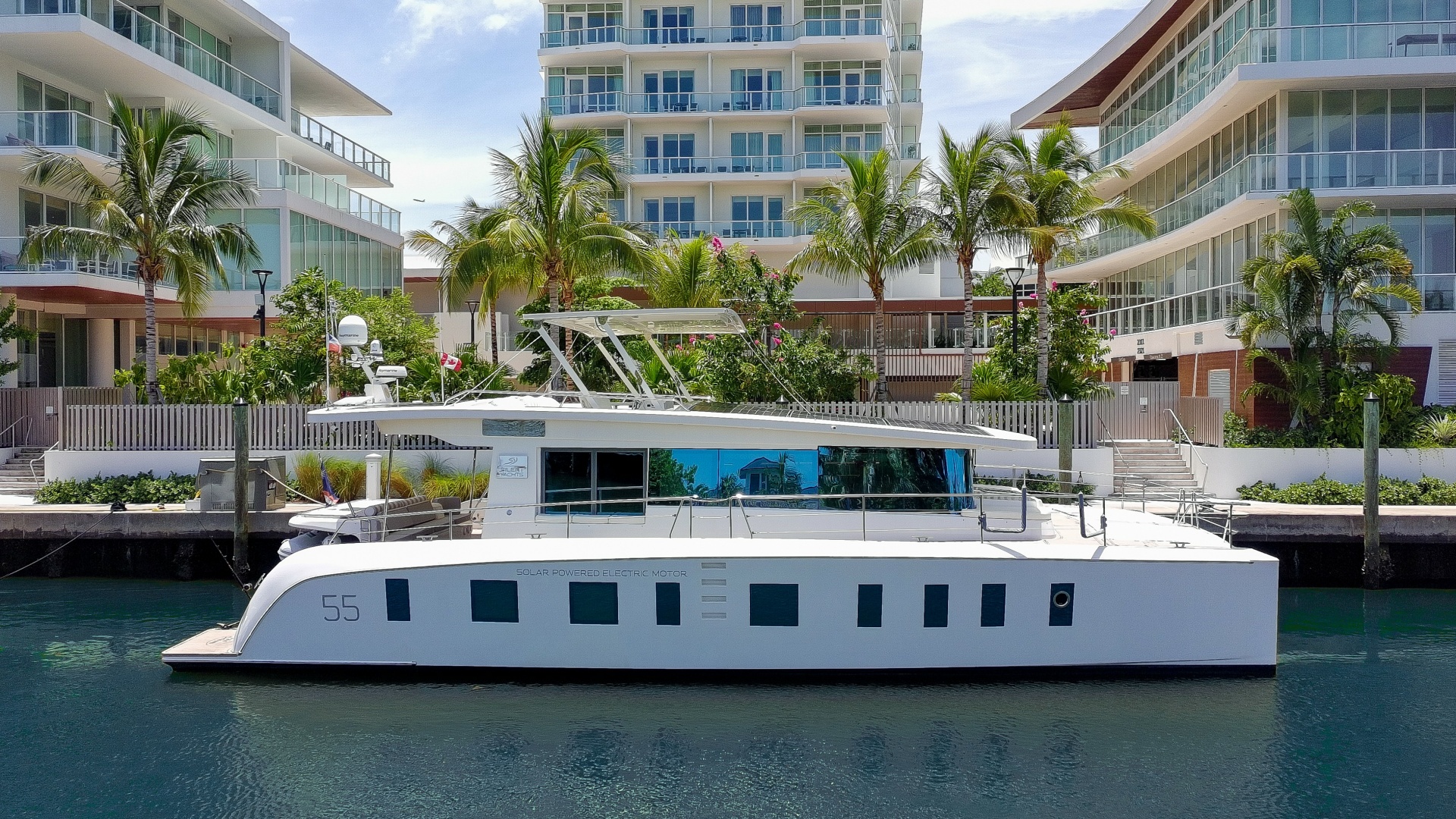
2019 Silent-Yachts Fair Dinkum
$1,599,000
55
Fort Lauderdale Florida

2026 Canados
49
Miami Florida

2026 Buddy Davis
47
Miami Florida
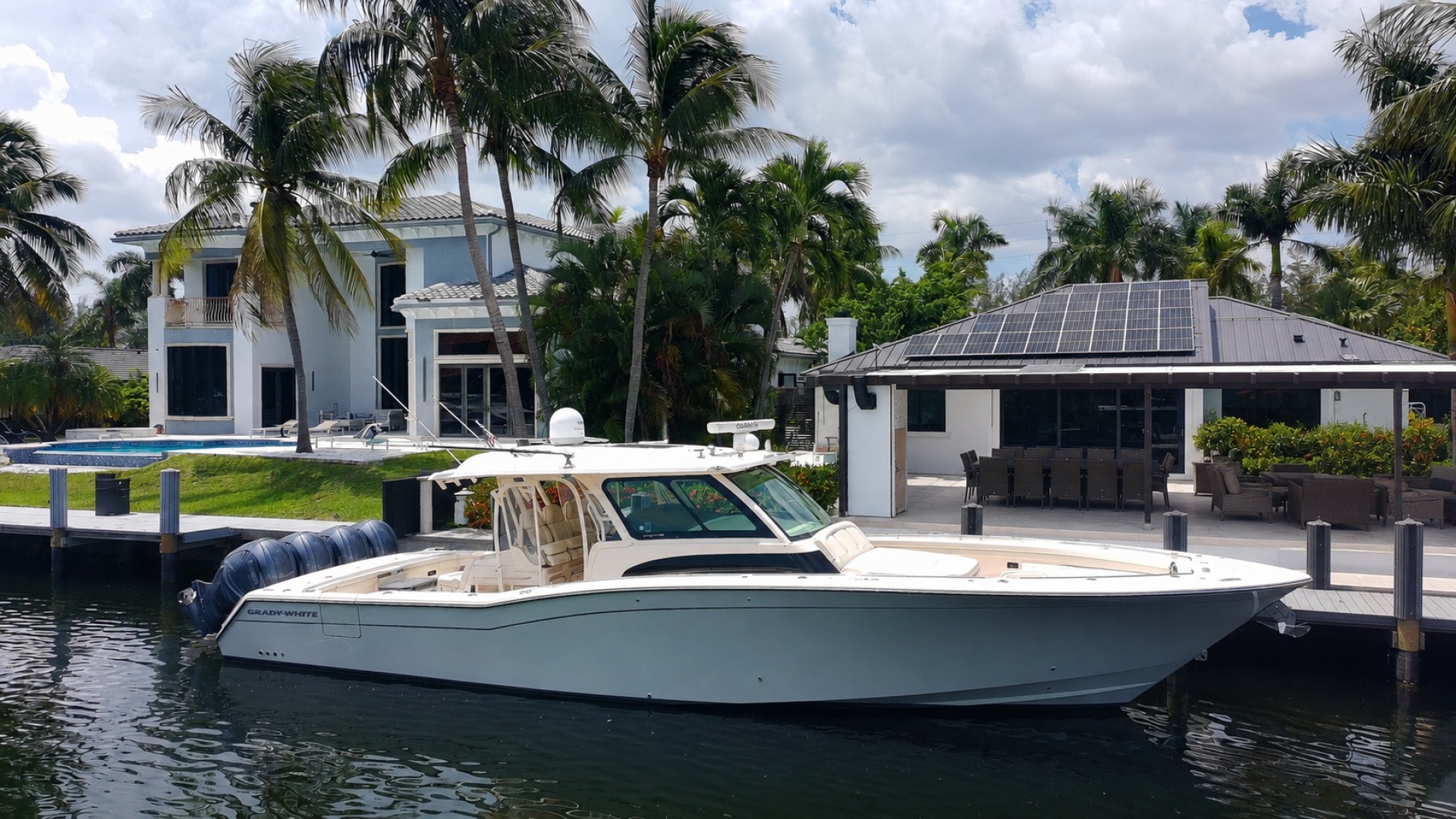
2020 Grady-White No Name
$610,000
45
Hallandale Beach Florida
2020 Viking Huckleberry
$1,495,000
44
Fort Lauderdale Florida

2027 Canados
43
Miami Florida
2021 Intrepid Dream Faster
$730,000
40
Coral Gables Florida

2016 Edgewater
$299,000
37
Miami, Florida

2022 Avid
$56,900
23
Stuart Florida
Get your yacht value Estimate
"*" indicates required fields