

TL;DR:
- Scheduled maintenance cycles prevent costly repairs and help maintain yacht value.
- Regular checks and proper record-keeping boost safety, performance, and resale value in Florida.
- Professional support can optimize maintenance plans and ensure nothing important gets overlooked.
Most Florida yacht owners think about maintenance the moment something breaks. A strange noise from the engine, a crack in the gelcoat, a navigation system that suddenly goes dark. But waiting for problems to appear is one of the most expensive habits you can have as an owner. Proactive, scheduled maintenance cycles are what separate yachts that hold their value from those that quietly deteriorate in the Florida sun. This guide gives you a clear, practical breakdown of how maintenance cycles work, what they should include, and how to build one that fits your yacht and lifestyle.
Table of Contents
- Understanding yacht maintenance cycles
- Essential components of a yacht maintenance cycle
- Common mistakes and how to avoid them
- Building your personalized maintenance schedule
- Expert perspective: Why maintenance cycles are your yacht’s best investment
- How expert support can optimize your maintenance cycles
- Frequently asked questions
Key Takeaways
| Point | Details |
|---|---|
| Scheduled cycles matter | A proactive maintenance cycle approach preserves performance and value. |
| Florida’s climate demands attention | Hot, humid, and salty conditions require tailored checks for local risks. |
| Documentation boosts ROI | Keeping thorough maintenance records directly increases resale potential. |
| Avoid common mistakes | Missing scheduled tasks or using wrong parts can lead to major expenses. |
| Professional help pays off | Expert guidance reduces stress and maximizes your investment results. |
Understanding yacht maintenance cycles
A maintenance cycle is a planned, recurring schedule of inspections, cleaning, testing, and part replacements designed to keep your yacht in peak condition. It is not the same as a repair. Repairs are reactive. Cycles are proactive. That distinction matters more than most owners realize.
Think of it this way: a repair addresses what already went wrong. A maintenance cycle prevents it from going wrong in the first place. Scheduled maintenance cycles enhance performance and prevent costly damage, which is especially relevant in Florida where your yacht faces saltwater corrosion, intense UV radiation, high humidity, and near year-round usage.
Typical cycle intervals look like this:
- Weekly: Quick visual checks on lines, bilge pumps, and safety equipment
- Monthly: Engine fluid levels, battery condition, hull inspection below the waterline
- Quarterly: Detailed electrical checks, through-hull fittings, zincs, and rigging
- Annually: Full engine service, bottom paint, safety equipment certification, upholstery and interior review
Florida’s environment accelerates wear in ways that owners from northern states often underestimate. Salt air doesn’t just affect the parts touching the water. It works its way into electrical connections, stainless fittings, and even your HVAC system. The sun degrades vinyl, fiberglass, and rubber seals faster than almost anywhere else in the country.
“A yacht that is properly cycled through scheduled maintenance is not just safer to operate, it is significantly more enjoyable to own. You spend your time on the water, not in the boatyard.”
Here’s a quick comparison of the two approaches:
| Approach | Cost pattern | Downtime | Resale impact |
|---|---|---|---|
| Reactive repairs | Unpredictable, high spikes | Unplanned, disruptive | Negative without records |
| Scheduled cycles | Predictable, lower overall | Planned, minimal | Positive with documentation |
Owners who commit to yacht management strategies built around cycles consistently report fewer surprises, lower annual costs, and stronger confidence when it’s time to sell. Protecting your Florida yacht investment starts with a plan, not a panic.
Essential components of a yacht maintenance cycle
With the value of scheduled cycles clear, here’s how to break down what should be on your maintenance checklist. Every yacht is different, but the core systems that need attention are consistent across most vessels.
Engine and mechanical systems
- Change engine oil and filters per manufacturer intervals
- Inspect belts, hoses, and impellers for wear
- Check fuel lines and connections for cracks or leaks
- Test engine mounts and alignment
Hull and running gear
- Inspect hull for blistering, osmotic damage, or impact cracks
- Check propellers, shafts, and rudders
- Replace sacrificial zinc anodes every 3 to 6 months in Florida saltwater
- Apply antifouling bottom paint annually
Safety systems
- Test fire extinguishers and replace as needed
- Inspect life rafts, EPIRBs, and flares for expiration
- Check bilge pumps and float switches monthly
Electronics and electrical
- Inspect wiring connections for corrosion
- Test navigation systems, VHF radios, and chart plotters
- Check battery banks and charging systems
Decks, interior, and canvas
- Clean and condition teak or composite decking
- Inspect canvas covers and enclosures for UV damage
- Check for mold or mildew in cabins and storage areas
Routine checks for engines, electrical, and hull integrity reduce costs and downtime significantly, and protecting your yacht investment means giving each of these systems the attention they deserve on a schedule, not just when something looks off.
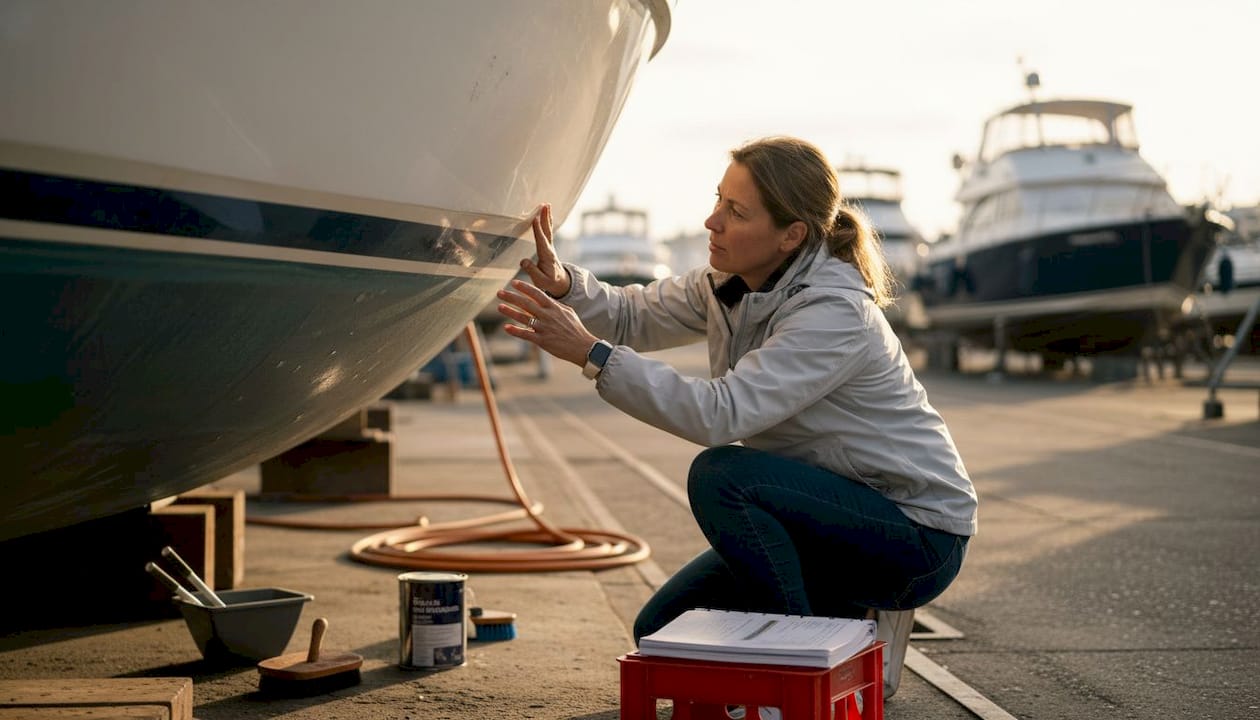
For exterior care between professional services, quality detailing and cleaning tips can help you maintain that showroom finish in Florida’s demanding climate.
Pro Tip: Build a digital maintenance log using a free app like Boat Maintenance Tracker or even a shared Google Sheet. Log every task, date, and cost. This becomes a powerful tool for resale negotiations and insurance claims.
Common mistakes and how to avoid them
Knowing the right plan is half the battle. Next, let’s address what often goes wrong, so you don’t fall into those traps.
Here are the five most common maintenance mistakes Florida yacht owners make:
- Skipping routine checks during busy seasons. Summer is peak boating time, which means maintenance often gets pushed aside. But heavy use is exactly when systems are most stressed.
- Poor or no record keeping. Without documentation, you cannot prove what was done, when, or by whom. This hurts you at resale and with insurance claims.
- Ignoring minor issues. A small weep from a through-hull fitting or a slightly sluggish bilge pump seems minor. In Florida’s conditions, minor becomes major fast.
- DIY overreach on complex systems. Changing engine oil yourself is smart. Rebuilding a marine transmission without proper training is not. Know your limits.
- Using non-marine grade parts. Automotive or hardware store components are not built for saltwater environments. They corrode faster and can void warranties.
Skipping regular maintenance dramatically increases long-term repair costs, and that directly impacts your ROI in Florida yachting. The math is simple: a $300 impeller replacement done on schedule costs far less than a $6,000 engine overheating repair caused by a failed impeller.
“The owners who get the best offers when selling are almost always the ones who treated their yacht like the serious investment it is. That means records, cycles, and no shortcuts.”
Pro Tip: Set calendar reminders tied to your engine hours and calendar dates. Many marina management apps and yacht management mistakes resources offer templates you can customize to your vessel.
Building your personalized maintenance schedule
Avoiding mistakes is easier when you know exactly what should happen, and when. Let’s create your personalized maintenance plan.
Here’s a step-by-step approach to building a schedule that actually works:
- Gather your manuals. Every system on your yacht has a manufacturer-recommended service interval. Start there.
- Assess your usage patterns. A yacht used 3 days a week needs more frequent engine service than one used monthly.
- Map tasks to a calendar. Assign monthly, quarterly, and annual tasks to specific months. Avoid clustering everything in one visit.
- Build in Florida-specific adjustments. Plan your bottom job before peak season. Schedule interior mold checks after the rainy season.
- Document everything. Every service entry, receipt, and inspection note goes into your log.
Here’s a sample schedule framework:
| Frequency | Task examples |
|---|---|
| Monthly | Engine fluids, bilge pumps, safety gear check, battery test |
| Quarterly | Zincs, through-hulls, electrical connections, canvas inspection |
| Annually | Bottom paint, full engine service, safety cert renewal, upholstery |
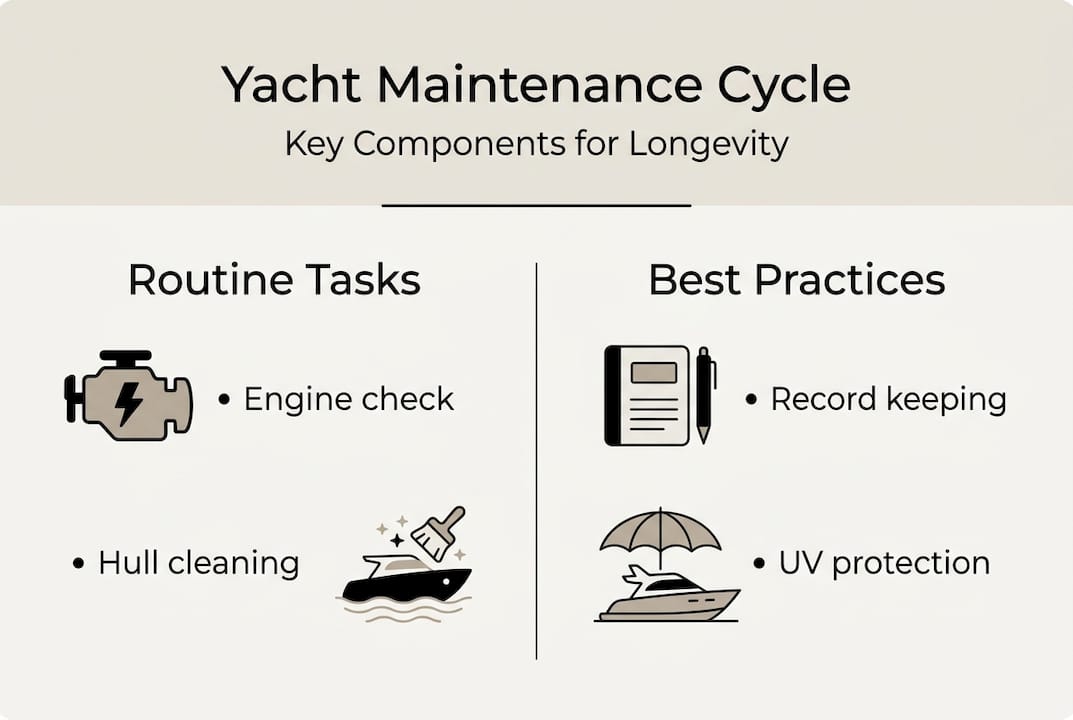
If you operate your yacht as a charter vessel, your intervals tighten considerably. Charter use means more engine hours, more guest wear on interiors, and more frequent safety system checks to meet USCG requirements.
A record-based maintenance approach preserves resale value and gives buyers confidence that your yacht was cared for with intention. When you’re ready to explore boosting boat sale value, a complete maintenance history is one of your strongest negotiating tools.
Expert perspective: Why maintenance cycles are your yacht’s best investment
Here’s something we’ve seen repeatedly working with Florida yacht owners: the ones who treat maintenance as an expense tend to resent it. The ones who treat it as an investment enjoy their yachts more and sell them for more money.
Conventional wisdom says maintenance is a sunk cost. We disagree. A well-maintained yacht doesn’t just avoid breakdowns. It performs better, handles better, and feels better every time you step aboard. That translates directly into more time on the water and less time dealing with boatyards.
We’ve worked with long-term Florida owners who logged every service entry for 10 or 15 years. When it came time to sell, those records were worth real money. Buyers paid premiums because the risk was gone. The yacht told its own story through documentation.
The real payoff of a maintenance cycle isn’t just mechanical reliability. It’s peace of mind. You leave the dock knowing your vessel is ready. That confidence is something no repair bill can buy. Our Florida yacht management value approach is built entirely around this mindset, because we’ve seen the difference it makes.
How expert support can optimize your maintenance cycles
Managing a yacht maintenance schedule on your own is absolutely possible, but it takes discipline, time, and a solid system. For busy owners, that’s where professional support changes everything.

At Yachting Experts, we help Florida yacht owners build and manage professional yacht management plans tailored to their specific vessel, usage, and goals. Whether you want a custom calendar, help tracking service history, or guidance on maximizing boat value before a sale, our team is here for every step. We hold your hand through the process so nothing gets missed and nothing gets expensive by accident. Ready to build your plan? Start with custom maintenance planning and let’s get your yacht on the right cycle today.
Frequently asked questions
What is the most important part of yacht maintenance in Florida?
Protecting against saltwater corrosion and intense UV exposure is the top priority for Florida owners. Florida’s environment accelerates wear, making corrosion and UV management critical components of any maintenance cycle.
How often should I perform yacht maintenance checks?
Most experts recommend at least monthly system checks, with more frequent inspections during peak boating season. Regular maintenance intervals are vital for keeping your yacht operating at its best year-round.
Does keeping maintenance records really increase resale value?
Absolutely. Documented maintenance builds buyer confidence and reduces negotiation friction. Proper documentation can boost boat sale value by up to 10%, making record keeping one of the highest-return habits you can develop.
Is it better to use a professional service or do maintenance myself?
For routine tasks like fluid checks and cleaning, owner-led maintenance is smart and cost-effective. For complex systems, professional services ensure expertise that protects both safety and long-term value.
Recommended
Request A Call
Featured Listings

2027 Canados
100
Miami Florida

2015 Maiora
$3,750,000
90
Miami Florida

2027 Canados
57
Miami Florida
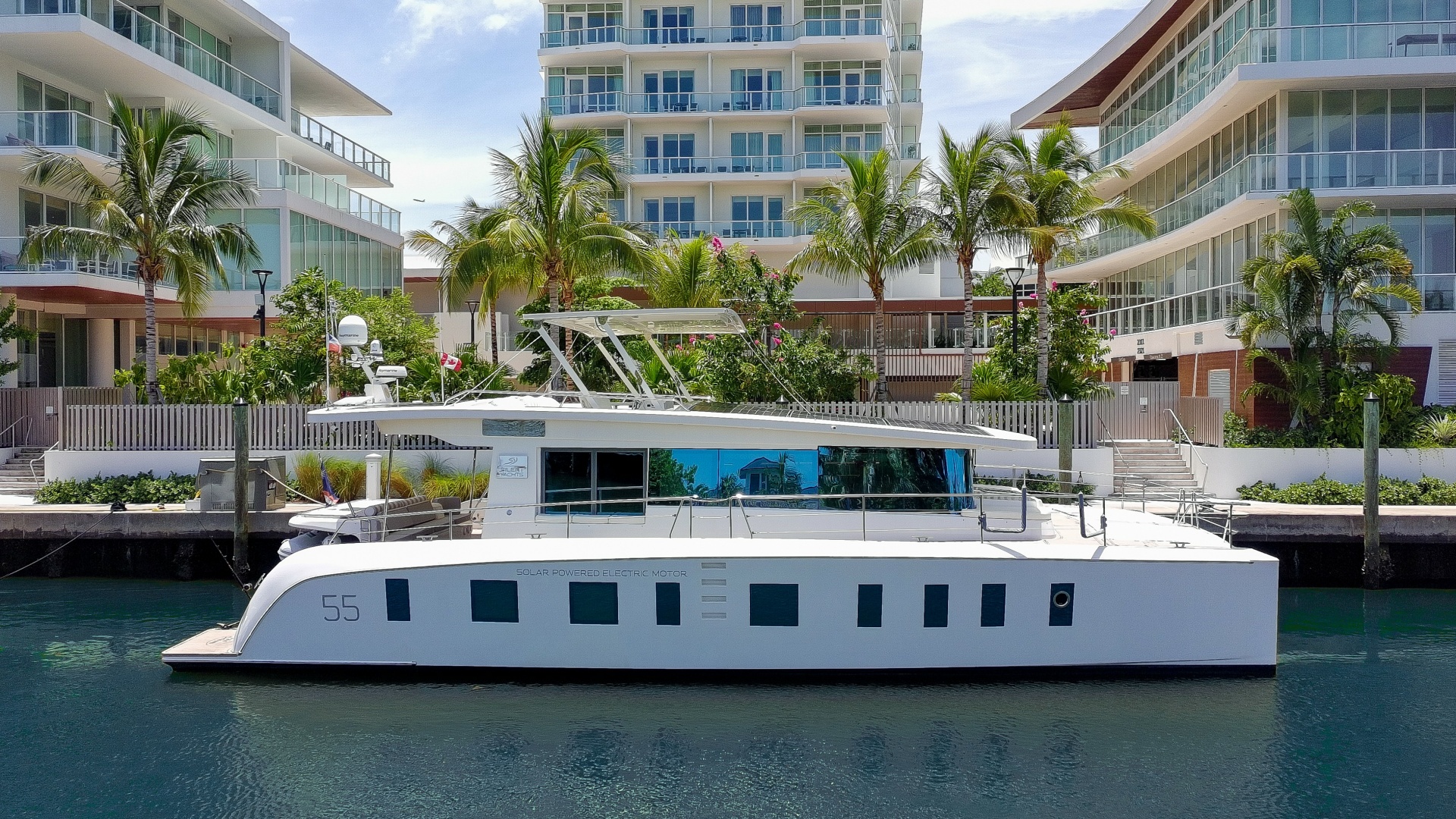
2019 Silent-Yachts Fair Dinkum
$1,599,000
55
Fort Lauderdale Florida

2026 Canados
49
Miami Florida

2026 Buddy Davis
47
Miami Florida
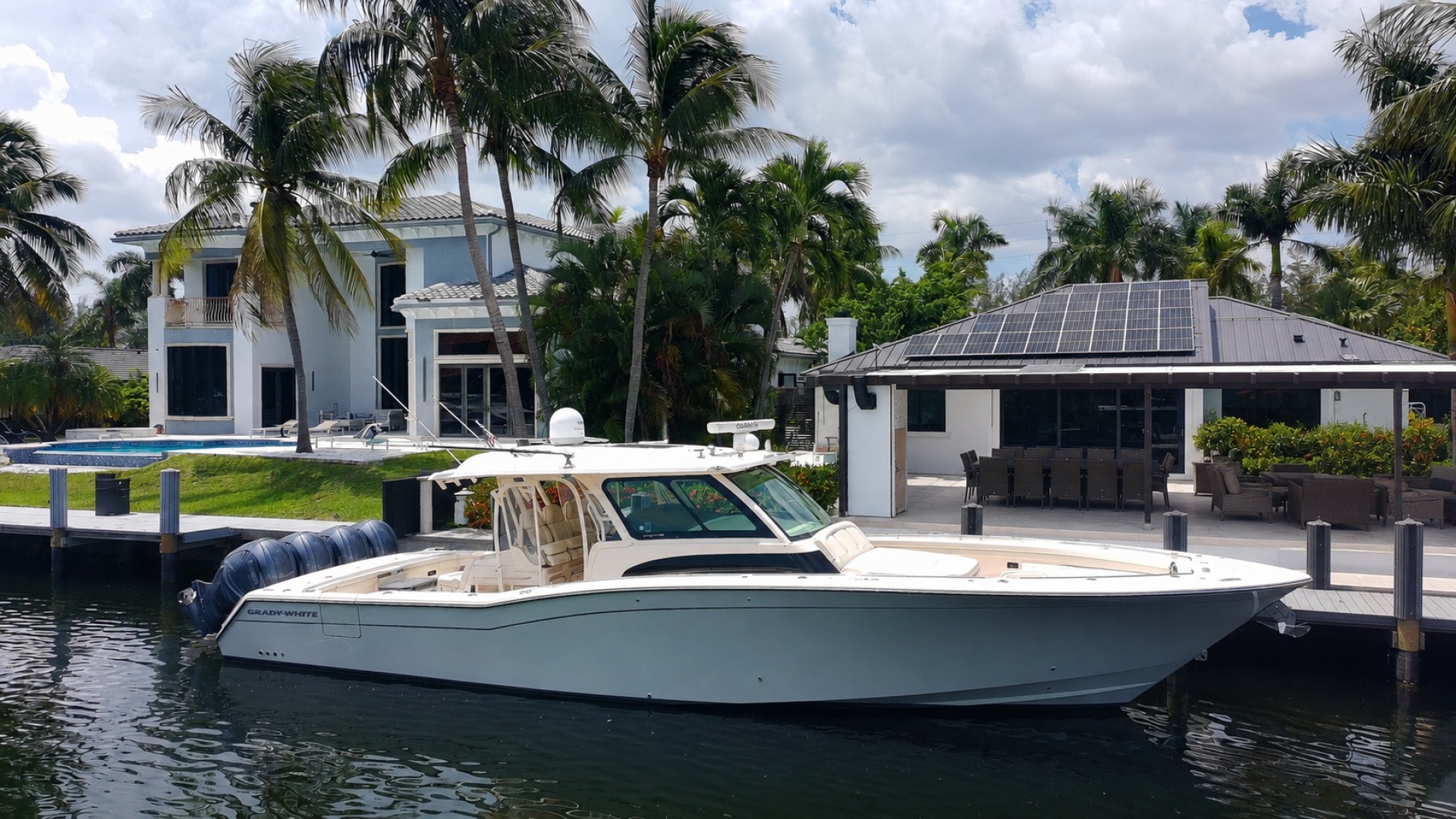
2020 Grady-White No Name
$610,000
45
Hallandale Beach Florida
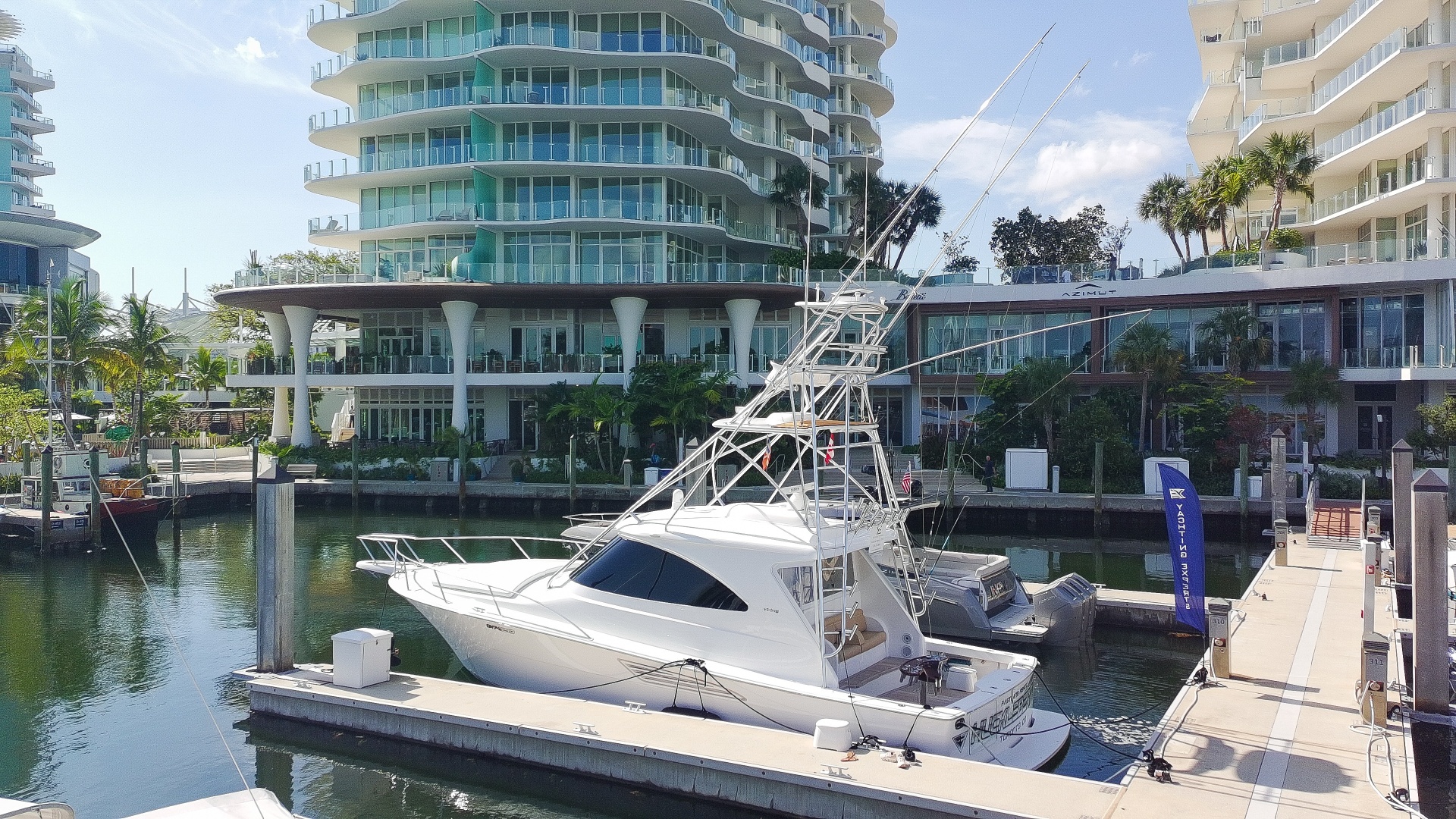
2020 Viking Huckleberry
$1,495,000
44
Fort Lauderdale Florida

2027 Canados
43
Miami Florida

2016 Edgewater
$299,000
37
Miami, Florida

2022 Avid
$56,900
23
Stuart Florida
Get your yacht value Estimate
"*" indicates required fields