

When the Marina, the Dealer and the Brokerage Come Together: What a MarineMax–Safe Harbor Deal Could Mean for Boaters
One of the biggest stories in the marine industry this week isn’t about a new yacht launch.
It’s about who may control more of the boating experience.
Reuters reported on August 10 that Safe Harbor Marinas, owned by Blackstone Infrastructure, is nearing an approximately $1.5 billion deal to acquire MarineMax. According to the report, Safe Harbor is offering approximately $53 per share in cash, although the transaction has not yet been formally announced and could still change or fail to materialize.
On the surface, it is a significant corporate acquisition.
From where we sit in the yacht business, however, the more interesting story is what a combination like this says about where the marine industry may be headed.
This Is Much More Than a Boat Dealership
MarineMax has evolved far beyond its roots as a traditional boat retailer.
Today, the company operates more than 70 dealerships and more than 65 marina and storage facilities worldwide. Its holdings and businesses extend into nearly every part of the yacht ownership cycle.
MarineMax owns IGY Marinas, as well as major brokerage and yacht-services companies Fraser Yachts and Northrop & Johnson. It owns boatbuilders Cruisers Yachts and Intrepid Powerboats and has interests spanning financing, insurance, service, charter, digital marine platforms and other areas of the boating experience.
Safe Harbor, meanwhile, has built an enormous network of marinas and marine facilities and was acquired by Blackstone Infrastructure in 2025 for approximately $5.7 billion.
Put those businesses together and the significance becomes easier to see.
A boating organization could potentially participate in the customer’s relationship from the moment someone begins shopping for a boat through financing, insurance, brokerage, dockage, storage, maintenance and service—and eventually the sale of that boat and purchase of the next one.
That is a remarkably broad relationship with the boat owner.
The Marine Industry Is Consolidating
Yachting has traditionally been a highly fragmented business.
A buyer might work with an independent yacht broker to find a boat, another company for financing, a local marina for dockage, an independent yard for service and eventually another broker when it is time to sell.
Increasingly, larger organizations are bringing many of those pieces under one umbrella.
There are obvious advantages.
Scale can provide stronger infrastructure, greater purchasing power, more sophisticated technology, larger service networks and potentially a more seamless ownership experience.
For many boaters, having one organization capable of helping with multiple aspects of ownership may be extremely attractive.
But consolidation also raises an interesting question:
As more of the boating ecosystem becomes vertically integrated, who is sitting at the table solely representing the owner or buyer?
Convenience and Advice Aren’t Necessarily the Same Thing
There is nothing inherently negative about consolidation. In fact, many of the changes occurring throughout the marine industry can make boating considerably easier.
But buying a yacht isn’t the same as purchasing most consumer products.
The transaction can involve hundreds of thousands—or millions—of dollars. There are surveys, negotiations, trade values, financing considerations, maintenance histories, equipment choices, insurance issues, resale implications and sometimes competing brands or dealerships to evaluate.
That is where independent advice becomes particularly valuable.
A vertically integrated marine company may be able to offer the boat, financing, insurance, dockage, service and eventual resale.
An independent advisor can ask a different question:
Is this actually the right boat, transaction and ownership decision for this particular client?
Those two roles don’t have to compete. In many cases, they can complement one another.
But they aren’t necessarily the same role.
What This Could Mean for Yacht Buyers
For buyers, consolidation could ultimately mean access to more inventory, stronger service networks and a more streamlined purchasing and ownership process.
Those are meaningful benefits.
At the same time, buyers should become increasingly aware of who represents whom in a transaction.
Is the person advising you representing the seller?
The dealership?
The manufacturer?
The brokerage?
Or you?
None of those relationships is automatically problematic. What matters is understanding them.
The more sophisticated the marine industry becomes, the more sophisticated consumers should become as well.
A knowledgeable buyer should understand not only the boat being purchased, but the ecosystem surrounding that purchase.
And What About Sellers?
The same principle applies when selling.
Large organizations can provide enormous marketing reach, extensive databases and significant resources.
But selling a yacht is still remarkably individual.
Two seemingly identical boats can command very different prices based on maintenance, equipment, location, ownership history, presentation and timing.
Determining how to position a yacht requires more than placing it into the largest possible network.
It requires understanding where that particular boat fits in the market—and telling its story correctly.
Where Yachting Experts Fits Into This Changing Market
At Yachting Experts, we believe developments like this reinforce something we’ve believed for years:
Our greatest value isn’t simply access to boats. It’s perspective.
Nearly everyone has access to inventory today. Buyers can search listings from their phones, compare models, research pricing and walk into dealerships armed with more information than ever before.
Information is abundant.
Interpretation is harder.
Our job is to help a client understand what all of that information actually means.
Is a boat priced correctly?
How does it compare with another model?
What equipment actually adds value?
What will matter when it comes time to resell?
Is the attractive trade allowance really the best transaction?
Does the ownership structure behind a brand affect long-term support?
When should a buyer walk away?
Those questions become even more important as manufacturers, dealers, marinas, service companies and brokerages become increasingly connected.
We don’t believe the future of yacht brokerage is simply finding boats.
We believe it is helping clients make better decisions about them.
The Bigger Picture
Whether or not the reported Safe Harbor–MarineMax transaction ultimately closes, the story itself points toward a larger evolution taking place throughout our industry.
Boating is becoming more consolidated, more sophisticated and increasingly integrated.
That could make ownership easier—and potentially better.
But as the organizations selling, financing, servicing, storing and reselling yachts become larger, there may also be increasing value in having someone alongside the client whose first question isn’t:
“What can we sell you?”
but rather:
“What makes the most sense for you?”
For us, that’s where experienced yacht brokerage is headed.
And ultimately, that’s good for the consumer.
Request A Call
Featured Listings

2027 Canados
100
Miami Florida

2015 Maiora
$3,750,000
90
Miami Florida

2027 Canados
57
Miami Florida
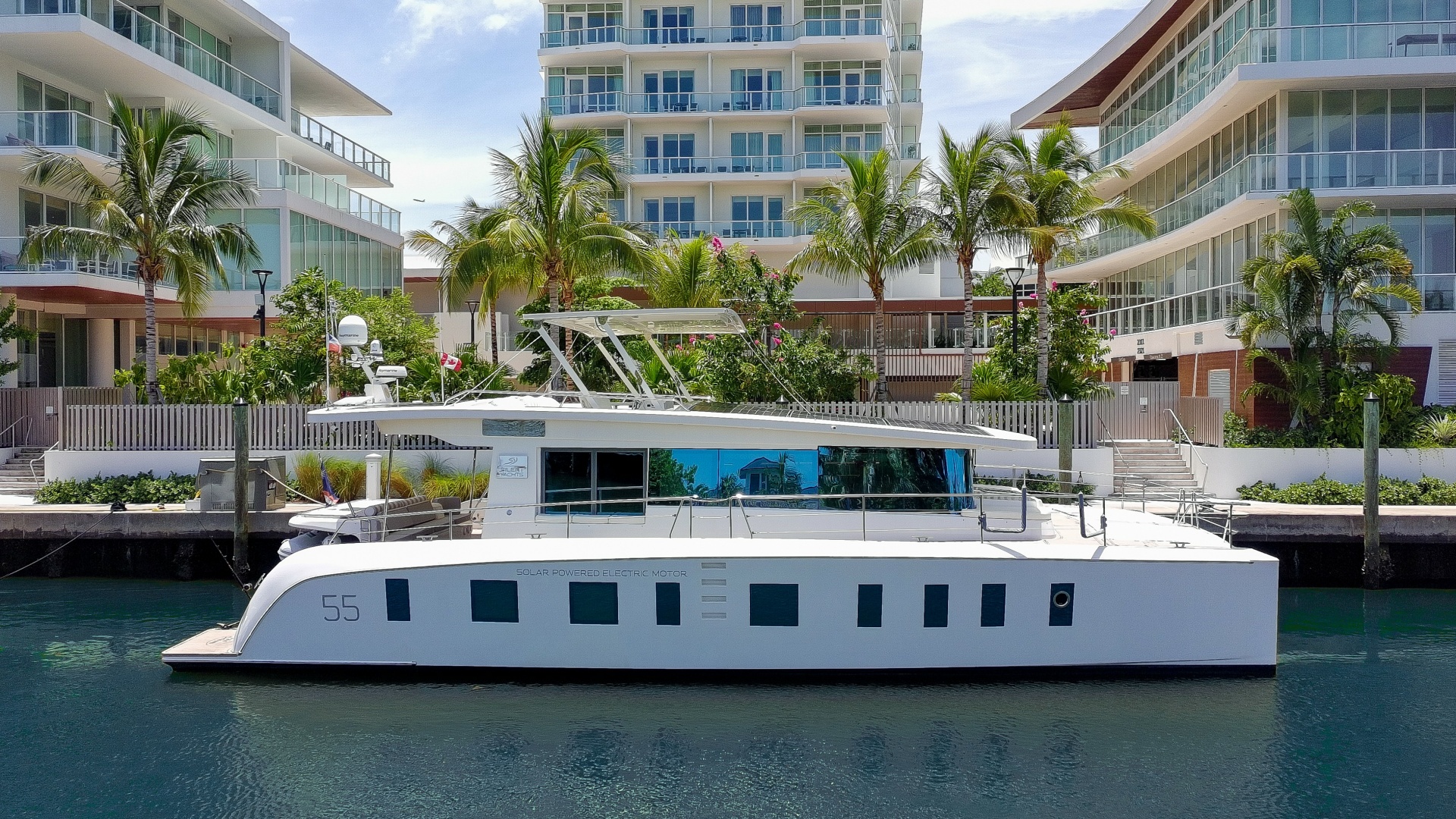
2019 Silent-Yachts Fair Dinkum
$1,599,000
55
Fort Lauderdale Florida

2026 Canados
49
Miami Florida

2026 Buddy Davis
47
Miami Florida
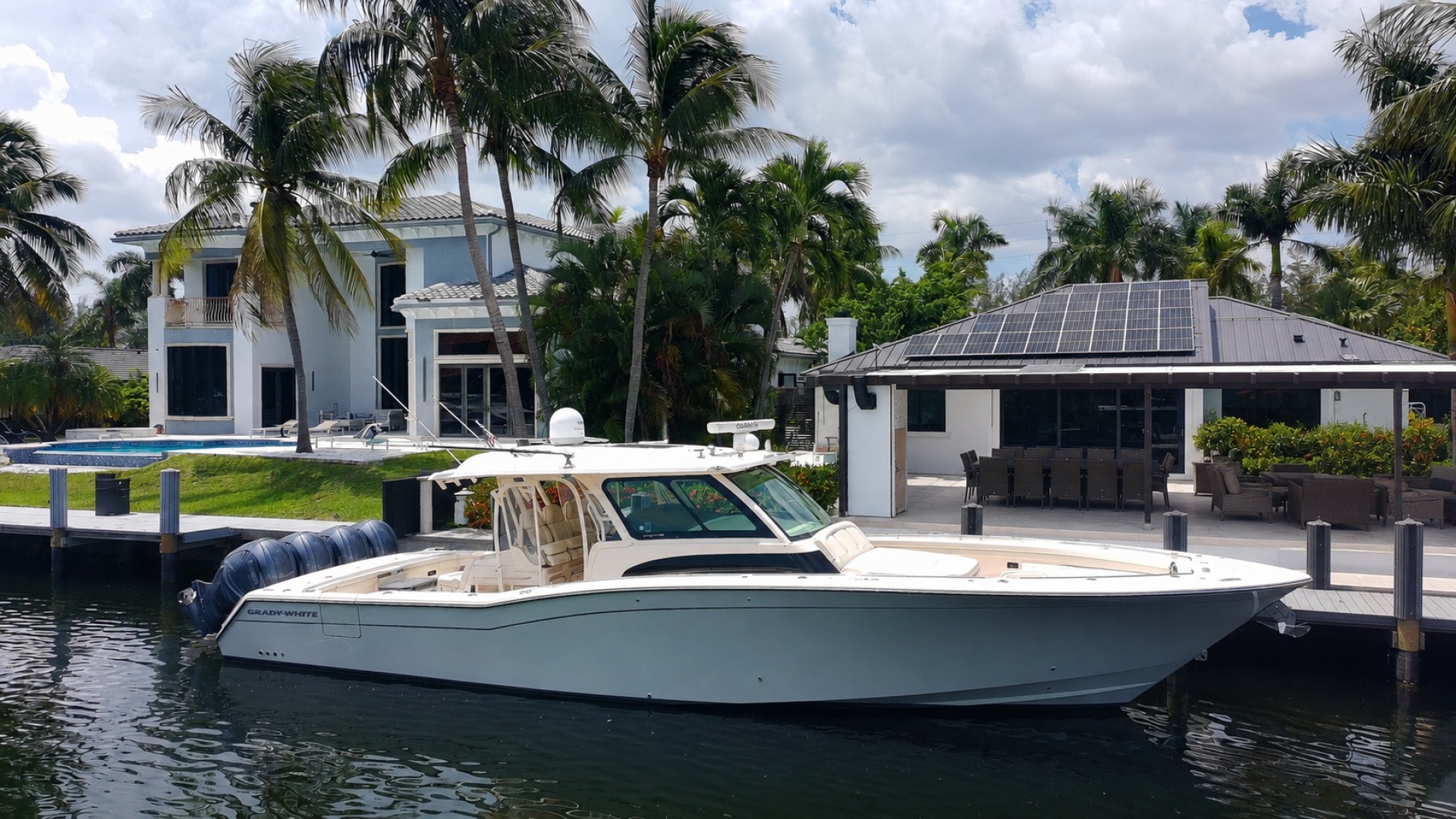
2020 Grady-White No Name
$610,000
45
Hallandale Beach Florida
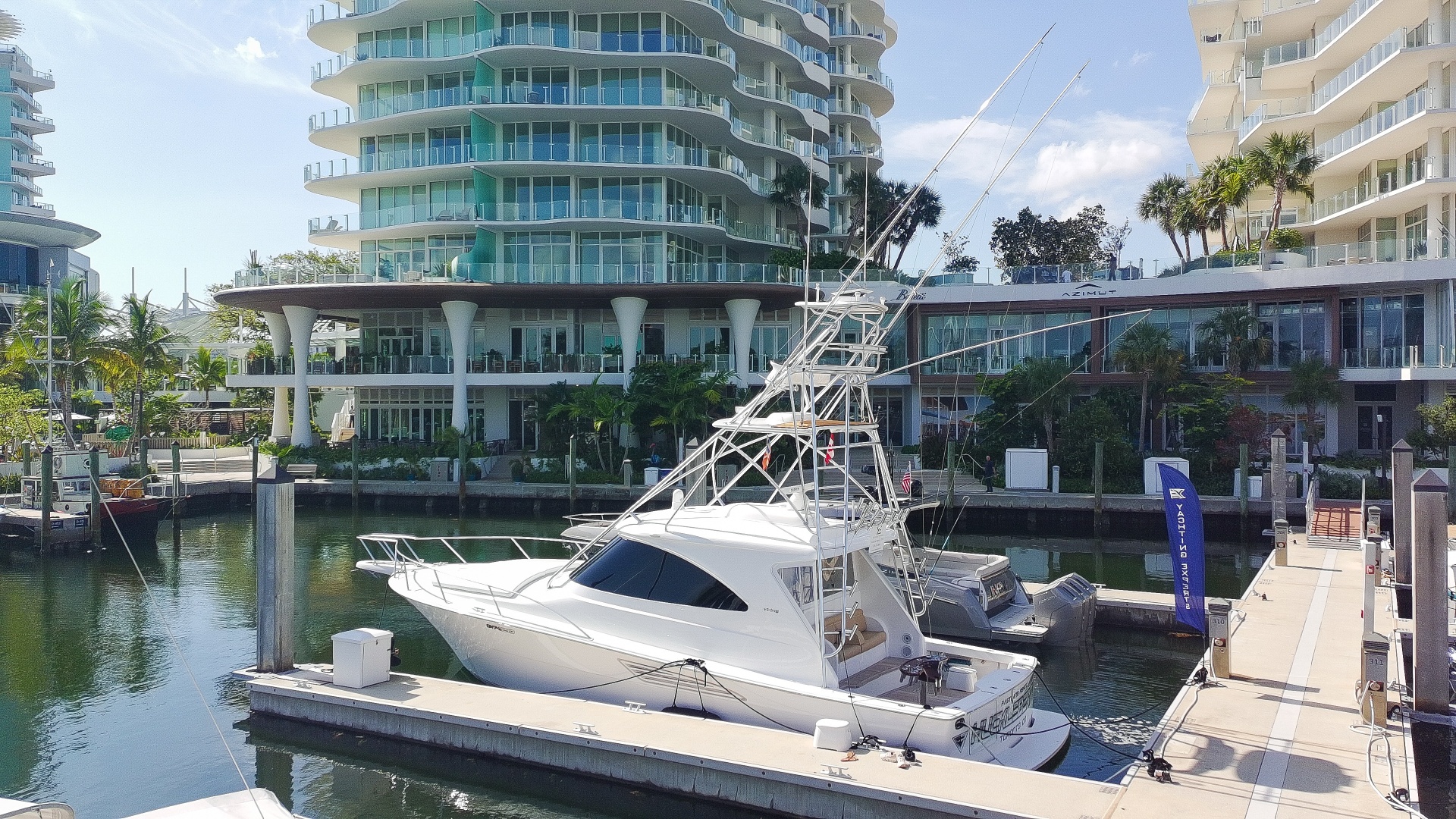
2020 Viking Huckleberry
$1,495,000
44
Fort Lauderdale Florida

2027 Canados
43
Miami Florida
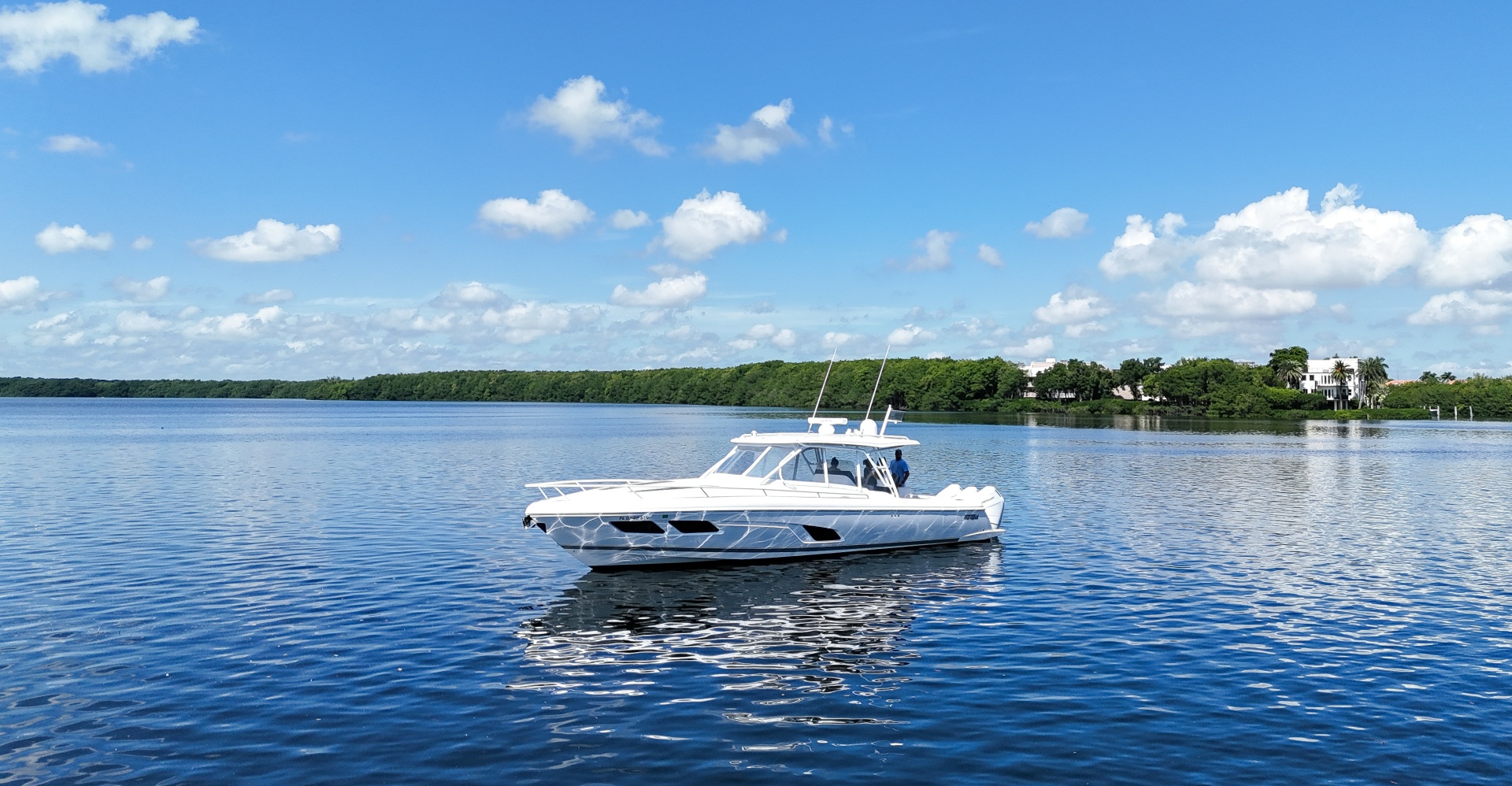
2021 Intrepid Dream Faster
$730,000
40
Coral Gables Florida

2016 Edgewater
$299,000
37
Miami, Florida

2022 Avid
$56,900
23
Stuart Florida
Get your yacht value Estimate
"*" indicates required fields