

New-boat demand remains soft, while pre-owned activity continues to command attention. What does that mean for today’s buyer?
The recreational boating market isn’t moving in one direction.
Depending on which part of the market you’re watching, the numbers can tell very different stories. New-boat retail sales remain under pressure, while recent pre-owned activity points to an active buyer who is still very much in the market—but increasingly focused on value, research and making a smarter purchase.
For buyers and sellers, that distinction matters.
New-Boat Sales Remain Soft
According to the National Marine Manufacturers Association’s latest industry data, new powerboat retail unit sales declined 7.1% to 214,292 units on a rolling 12-month basis through April 2026.
NMMA points to elevated interest rates and cautious consumer sentiment as factors continuing to influence discretionary purchases such as boats. Financing costs and broader economic uncertainty can contribute to buyers taking more time before making a decision.
But softer new-boat sales shouldn’t be confused with an absence of buyers.
In many ways, today’s buyer simply has more reason—and more opportunity—to evaluate the alternatives.
Pre-Owned Is Commanding Attention
The brokerage side of the market tells another story.
According to Boats Group’s August 2026 Marine Market Insight, 5,440 boats were sold globally during August, a 25.6% increase year over year within its dataset.
Even more notable: 91% of the units sold were pre-owned.
That’s a meaningful number for anyone considering their next vessel.
Today’s pre-owned market can offer buyers an enormous range of opportunities—from late-model boats with low hours to vessels whose previous owners have already invested substantially in electronics, stabilization, tenders, equipment, upgrades and other improvements.
The right brokerage boat can sometimes represent considerably more value than its model year or asking price initially suggests.
And that’s where looking beyond the headline numbers becomes important.
Today’s Buyer Has More Information—and More Choices
There is another change happening beneath the sales numbers.
Buyers aren’t necessarily following the traditional path of finding one listing, submitting an inquiry and purchasing that particular boat.
Boats Group recently analyzed more than 85,000 verified boat purchases against listings on its platforms and found that most buyers ultimately purchased a different boat from the one they originally researched.
That reinforces something we see as particularly important at Yachting Experts:
Finding a boat and finding the right boat are two very different things.
A buyer may begin with a particular brand, model, length or price range and ultimately discover that another vessel better satisfies how they actually intend to use the boat.
A slightly older vessel may be better equipped. A pre-owned boat may have already benefited from significant upgrades. Another model may provide a better layout, range or ownership proposition than the boat that originally started the search.
That’s why we believe a yacht search should begin with more than a list of filters.
What Should Buyers Take From the Numbers?
The market data isn’t telling buyers to purchase new or pre-owned.
It’s telling them to look carefully at both.
Today’s market rewards buyers willing to compare opportunities, understand what they’re getting for their money and look beyond year, length and asking price.
The question isn’t simply:
“What’s available?”
It’s increasingly:
“Where is the best value for the way I actually want to boat?”
And answering that question requires a broader look at the market.
Yachting Experts | Market Intelligence
Thinking about your next vessel? At Yachting Experts, we search beyond a single listing or platform to help our clients understand the market, compare opportunities and identify the vessel that best fits how they want to spend their time on the water.
Request A Call
Featured Listings

2027 Canados
100
Miami Florida

2015 Maiora
$3,750,000
90
Miami Florida

2027 Canados
57
Miami Florida
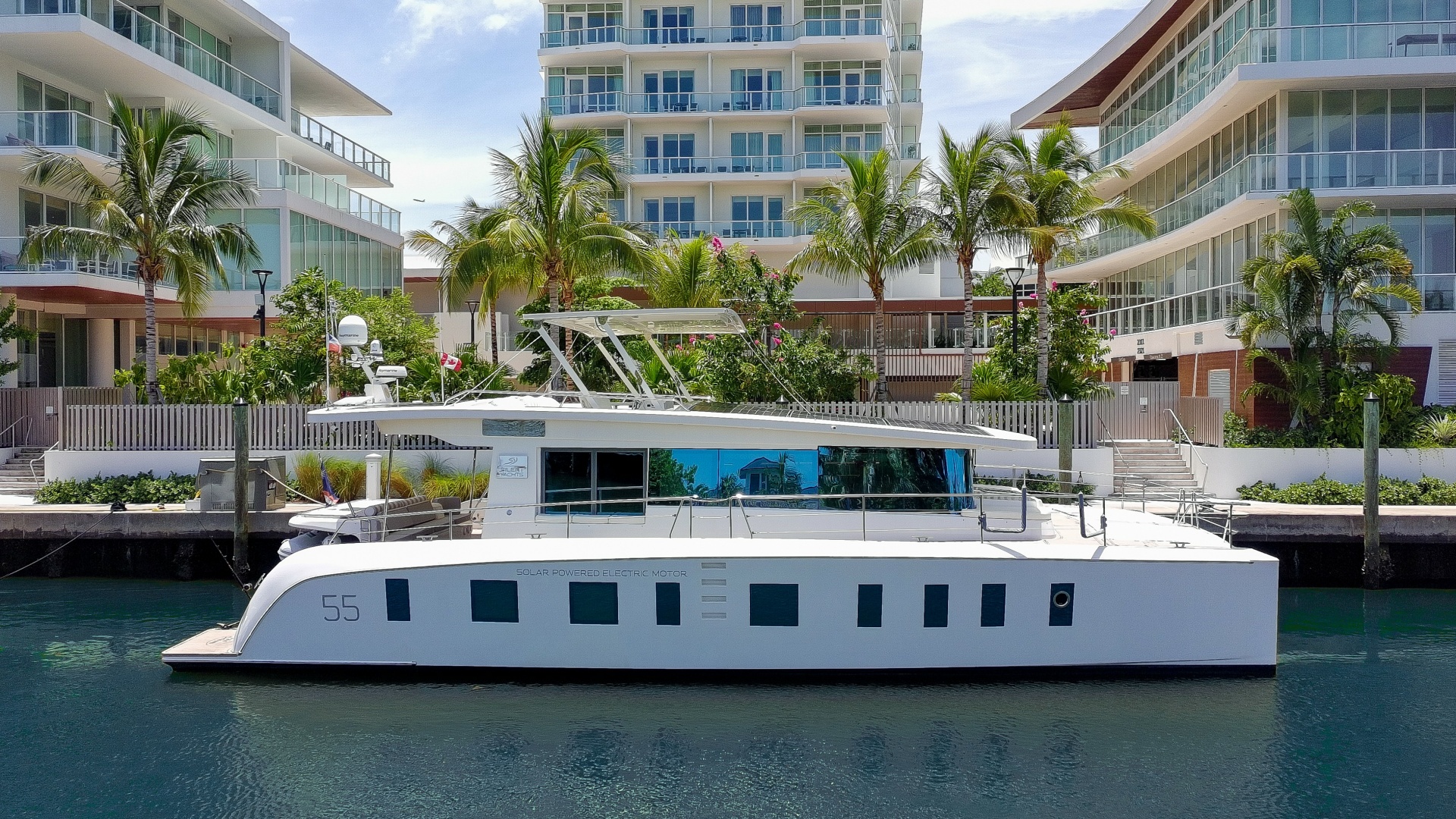
2019 Silent-Yachts Fair Dinkum
$1,599,000
55
Fort Lauderdale Florida

2026 Canados
49
Miami Florida

2026 Buddy Davis
47
Miami Florida
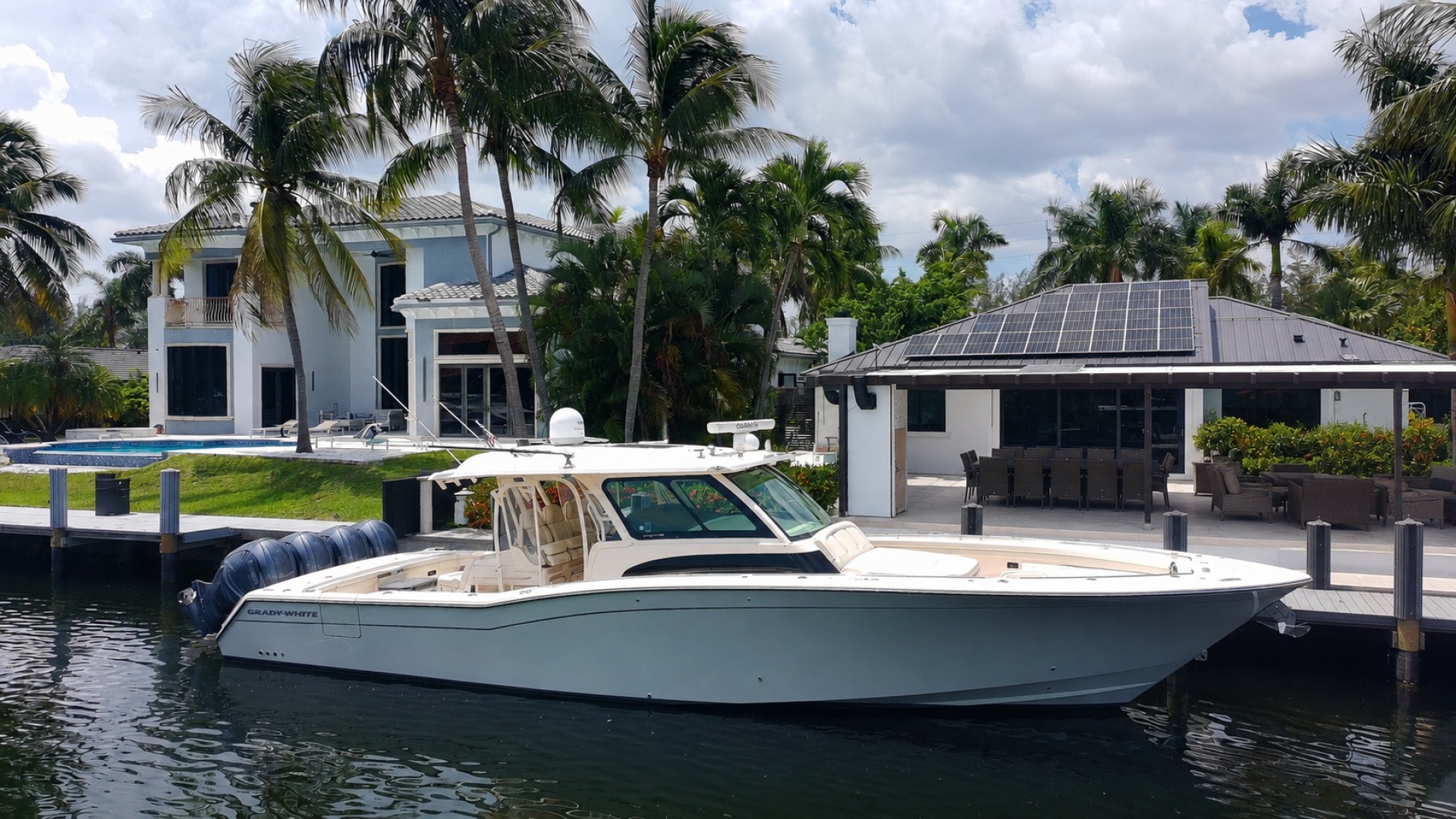
2020 Grady-White No Name
$610,000
45
Hallandale Beach Florida
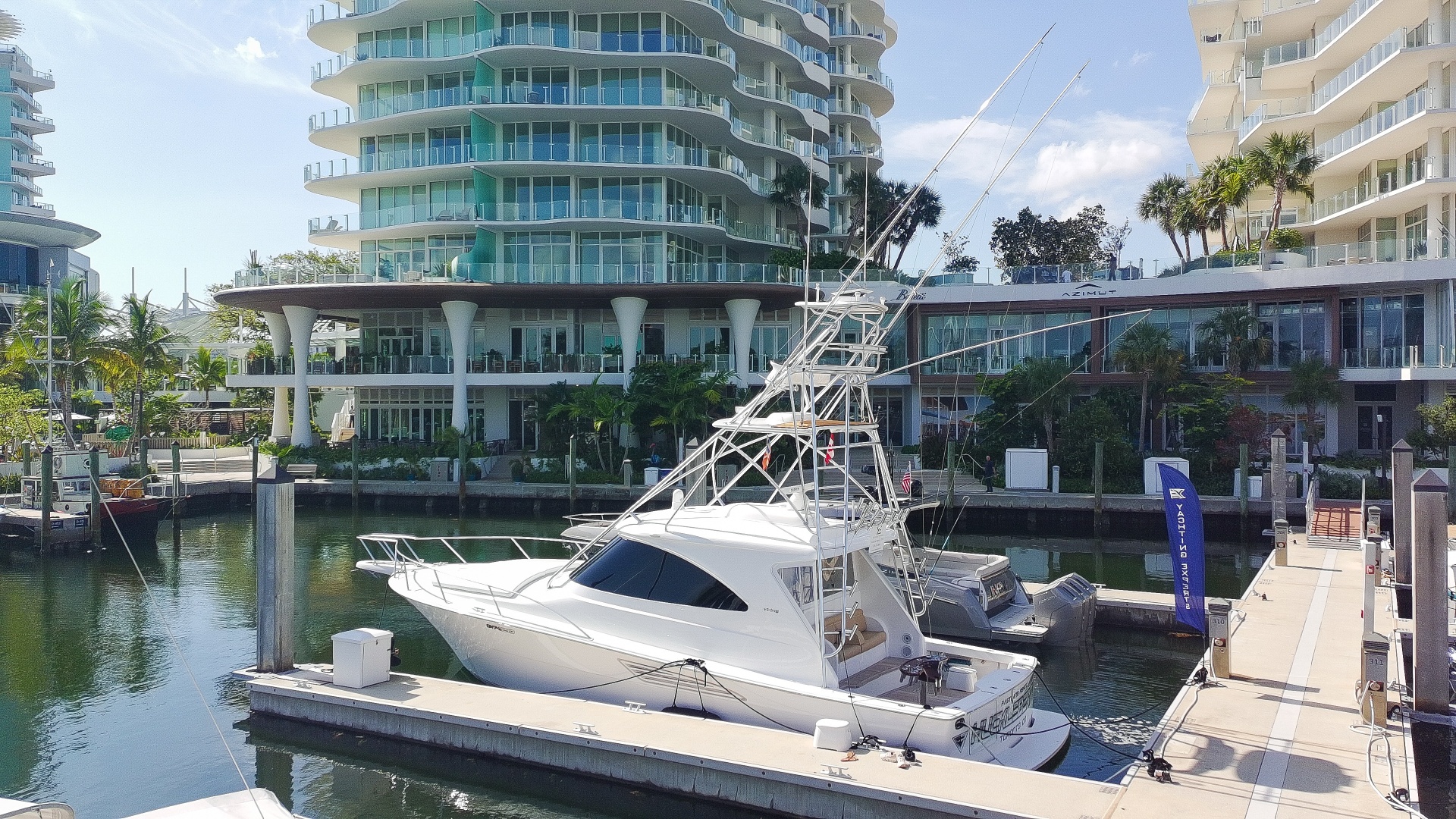
2020 Viking Huckleberry
$1,495,000
44
Fort Lauderdale Florida

2027 Canados
43
Miami Florida
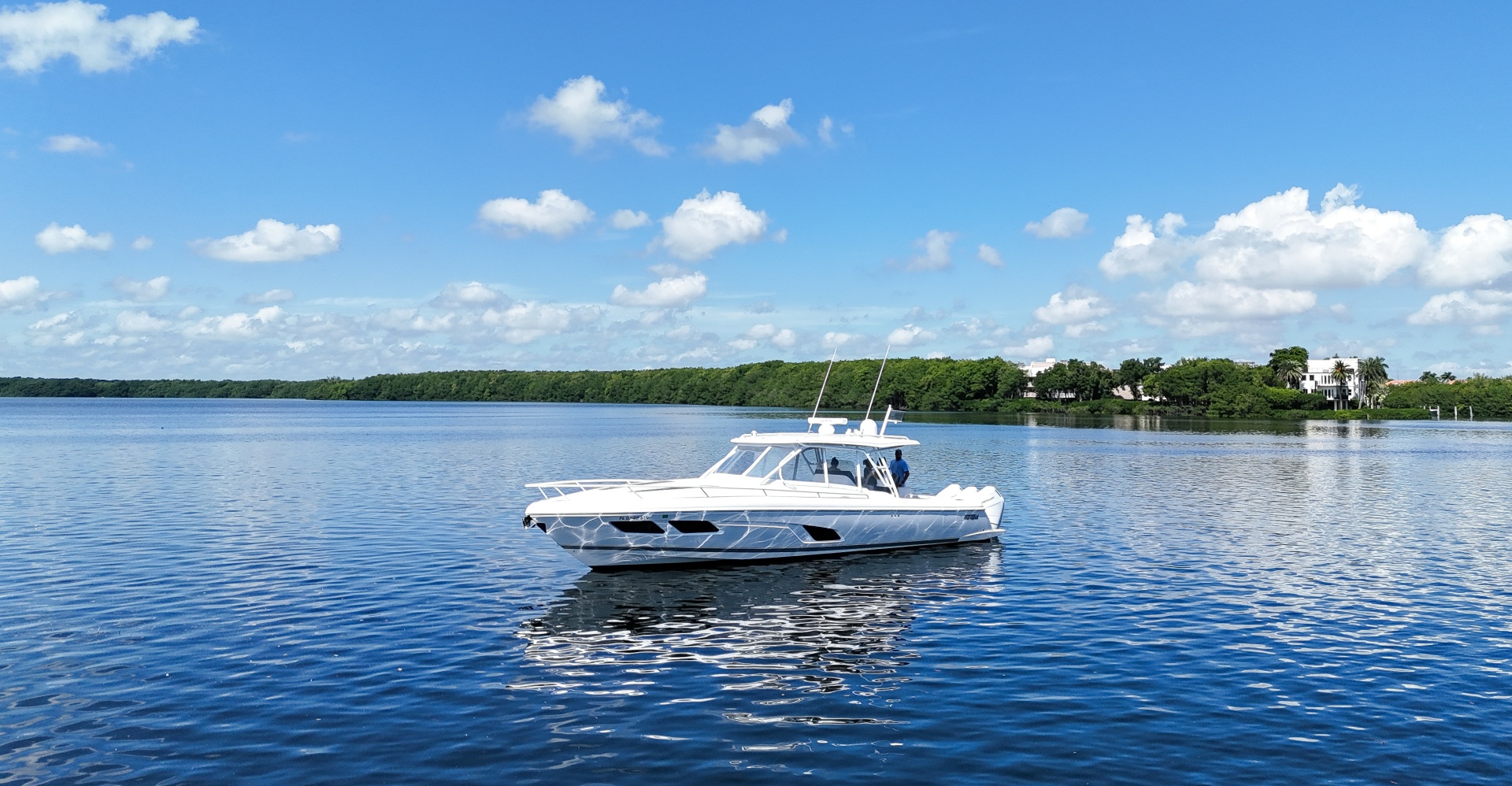
2021 Intrepid Dream Faster
$730,000
40
Coral Gables Florida

2016 Edgewater
$299,000
37
Miami, Florida

2022 Avid
$56,900
23
Stuart Florida
Get your yacht value Estimate
"*" indicates required fields