

You are moments away from committing to a multi-million dollar yacht purchase in Florida. The vessel looks stunning, the seller is confident, and the excitement is real. But one missed inspection detail can turn a dream investment into a costly nightmare. A thorough luxury yacht inspection is not optional. It is the single most powerful tool you have to protect your money, your safety, and your long-term enjoyment on the water. This guide walks you through every step of the process, from pre-inspection preparation to closing day, so you can invest with total confidence and zero regret.
Table of Contents
- Understanding luxury yacht inspections
- Pre-inspection essentials: What you need before starting
- Step-by-step yacht inspection process
- Common pitfalls and expert verification
- What happens after inspection: steps to closing the deal
- Our perspective: Why inspection defines luxury yacht ownership
- Let yachting experts streamline your Florida yacht purchase
- Frequently asked questions
Key Takeaways
| Point | Details |
|---|---|
| Inspection is essential | A thorough luxury yacht inspection is the foundation of a safe and rewarding investment. |
| Preparation drives value | Proper documentation and expert involvement ensure a smooth, insightful inspection process. |
| Step-by-step process matters | Careful execution at every phase, from hull to amenities to sea trial, reveals true vessel condition. |
| Expert review prevents pitfalls | Verification by professionals catches common mistakes that could otherwise hurt ROI and safety. |
| Inspection guides customization | A personalized inspection approach uncovers enhancement opportunities and future enjoyment potential. |
Understanding luxury yacht inspections
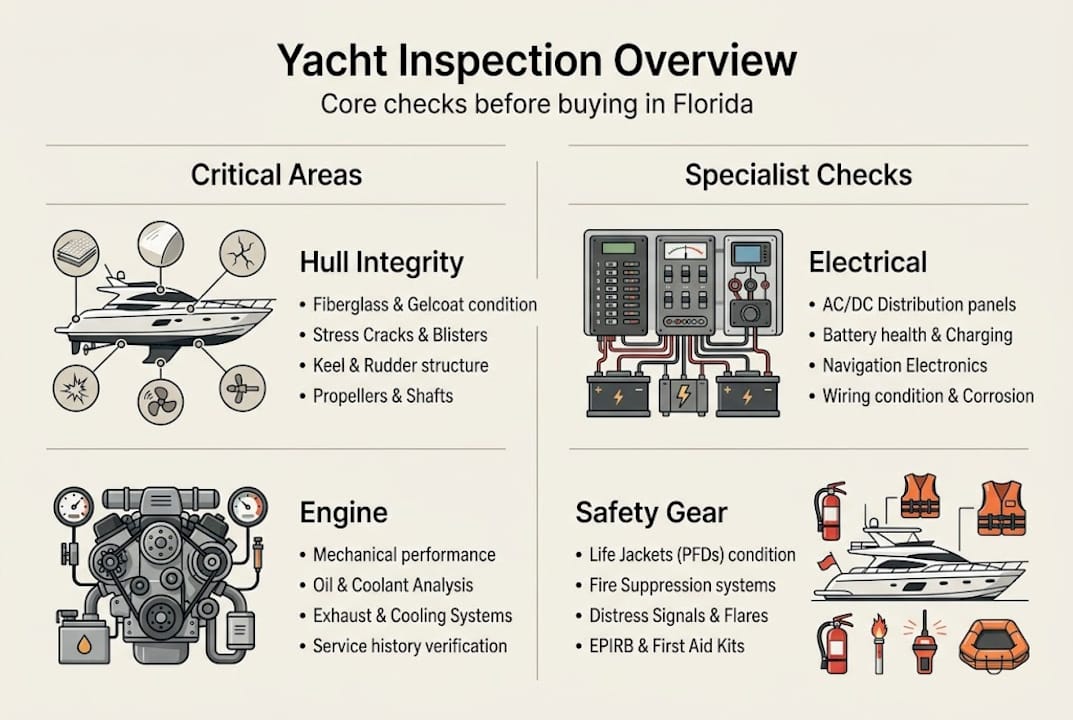
A luxury yacht inspection goes far beyond a basic marine survey. Where a standard survey might check structural integrity and safety gear, a luxury inspection covers every system, amenity, and document that defines the vessel’s true condition and value. Think of it as a full physical exam for a multi-million dollar asset.
The inspection checklist essentials for high-end vessels typically include:
- Hull and structural integrity: Fiberglass, steel, or aluminum condition; osmotic blistering; welds and frames
- Engine and mechanical systems: Hours logged, service history, fuel systems, cooling, transmissions
- Electrical and electronics: Navigation systems, autopilot, satellite communications, entertainment systems
- Luxury amenities: Gyms, spas, home theaters, custom cabinetry, and high-end appliances
- Safety equipment: Life rafts, fire suppression, EPIRBs, flares, and emergency protocols
- Documentation: Title, registration, prior surveys, warranties, and compliance records
Several key stakeholders are involved in a complete inspection. Your marine surveyor leads the process. An engine specialist evaluates mechanical performance. Your broker coordinates access and logistics. The captain, if retained, offers operational insight. And your insurer may require specific findings before binding coverage.
| Inspection Area | Primary Reviewer | Risk if Skipped |
|---|---|---|
| Hull and structure | Marine surveyor | Structural failure, sinking risk |
| Engines and mechanical | Engine specialist | Breakdown, major repair costs |
| Electronics and navigation | Electronics tech | Safety failures at sea |
| Documentation and title | Broker or attorney | Legal disputes, ownership issues |
| Luxury amenities | Surveyor or specialist | Unexpected replacement costs |
Common oversights can be financially devastating. Missed osmotic blistering in a hull can cost hundreds of thousands to repair. Overlooked engine wear can mean a full repower within months of purchase. Critical inspection components ensure luxury yachts retain their value and deliver the experience you expect.
Pro Tip: Always request a full written survey report, not just a verbal summary. A detailed written report is your negotiating tool, your insurance document, and your ownership record all in one.
Pre-inspection essentials: What you need before starting
Understanding the inspection’s scope makes it clear that preparation is essential for a smooth and insightful process. Arriving unprepared wastes time and can cause you to miss critical findings.
Start by gathering every piece of documentation available for the vessel. This includes:
- Current registration and title documents
- Previous marine survey reports (ideally within the last three years)
- Complete maintenance and service logs
- Manufacturer manuals and warranty records
- Any prior repair invoices or upgrade documentation
- Insurance history and claims records
Next, assemble your team of certified professionals. Yacht expert guidance is not a luxury here. It is a necessity. Each expert brings a specific lens that protects a different part of your investment.
| Expert | Role | Why They Matter |
|---|---|---|
| Certified marine surveyor | Full vessel assessment | Primary inspection authority |
| Engine mechanic/specialist | Mechanical systems review | Catches wear, leaks, and failures |
| Electronics specialist | Navigation and systems check | Ensures safety and tech performance |
| Insurance representative | Coverage requirements review | Confirms insurability and terms |
Collaboration with certified experts maximizes inspection effectiveness and long-term vessel value. Do not cut corners on this team.
Preparing the yacht itself is equally important. The vessel should be clean, all systems should be operational, and access panels should be open. Coordinate with the seller or broker to ensure the boat is out of the water or can be hauled during the inspection. Review yacht insurance trends in Florida before inspection day so you understand what insurers will require from the report.
Step-by-step yacht inspection process
With all preparation done, it is time for the hands-on inspection. Here is exactly what to expect and demand from every step.
-
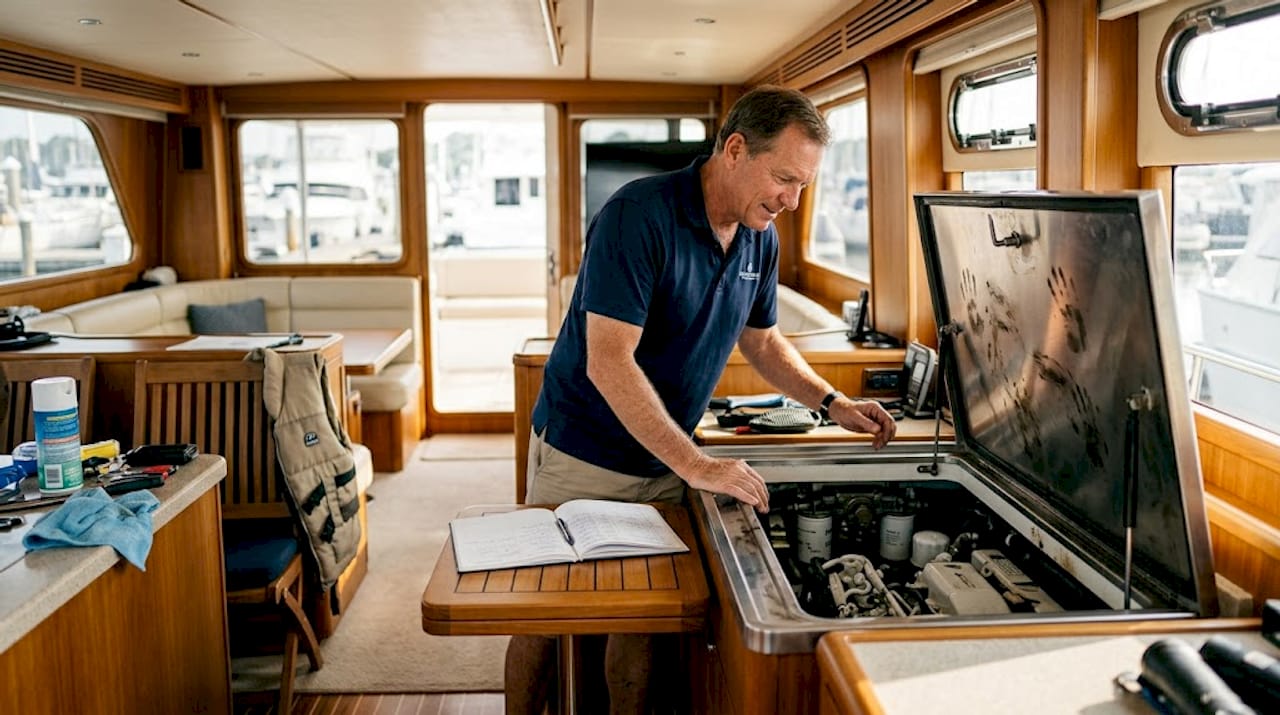
Exterior and hull inspection: Begin with a full walk-around of the vessel above and below the waterline. Check hull integrity, gelcoat or paint condition, through-hull fittings, keel attachment, and deck hardware. Look for stress cracks, delamination, and corrosion.
-
Mechanical systems and engines: Start and run all engines under load. Review engine mounts, exhaust systems, fuel tanks, bilge pumps, and steering gear. Note hours on each engine and compare against service records.
-
Electrical, plumbing, and safety equipment: Test all navigation lights, shore power connections, generator, watermaker, and HVAC systems. Verify that fire suppression, life rafts, and EPIRBs are current and compliant.
-
Luxury amenities review: Inspect the gym equipment, spa systems, home theater, custom joinery, and galley appliances. These systems are expensive to repair or replace and are often overlooked in standard surveys.
-
Sea trial and maneuverability: Take the vessel underway. Test full throttle performance, handling at various speeds, navigation electronics, and all onboard systems under real conditions.
-
Below-waterline inspection: Confirm the vessel can be hauled or inspected on a lift for a full view of the running gear, propellers, shafts, rudders, and hull bottom.
Pro Tip: Schedule the inspection when the vessel can be lifted out of the water. A below-waterline check reveals issues that are completely invisible during an in-water survey.
“The sea trial is when your investment truly proves itself.”
A complete walkthrough inspection and sea trial are pivotal in identifying hidden issues that no document review can uncover. Insist on both, without exception.
Common pitfalls and expert verification
Even with a diligent process, mistakes happen. Here is what to watch for and how expert review closes all loopholes.
The most frequent errors buyers make include:
- Overlooking hidden corrosion: Salt water environments accelerate corrosion inside engine rooms, electrical panels, and structural members. It is often invisible until it causes failure.
- Missing or incomplete paperwork: A vessel with unclear title or missing maintenance records creates serious legal and resale risk.
- Inadequate sea trial testing: A short, calm-water run does not replicate real operating conditions. Push the vessel through its full range.
- Skipping specialist reviews: A general surveyor cannot replace an engine mechanic or electronics technician. Each specialist catches what others miss.
- Ignoring minor findings: Small issues compound quickly on complex vessels. What looks minor today can become a major repair within a season.
| Common Pitfall | Potential Consequence |
|---|---|
| Missed hull leak | Structural damage, costly repairs |
| Poor or missing documentation | Legal disputes, resale complications |
| Skipped below-waterline check | Propeller, shaft, or rudder damage |
| Overlooked corrosion | Electrical failure, engine damage |
| Incomplete sea trial | Hidden performance or handling issues |
After the survey is complete, expert verification is your next line of defense. Review every finding with your surveyor and consider a second opinion on any major issue. Use yacht appraisal advice to understand how findings affect market value before negotiating.
Failing to address inspection findings can impact both insurance approval and resale value significantly. Insurers in Florida increasingly require clean survey reports before binding coverage. Review the ownership workflow tips to understand how findings feed into the broader purchase process.
What happens after inspection: steps to closing the deal
Once inspection is complete and verified, the final phase turns focus to negotiation, safety, and legalities for a sound investment.
-
Review the full survey report: Read every finding carefully with your broker and attorney. Categorize issues as safety-critical, high-priority, or cosmetic.
-
Negotiate repairs or price adjustments: Use the report as a factual basis for renegotiating. Request that the seller complete specific repairs, reduce the price to cover costs, or provide credits at closing.
-
Finalize purchase contracts: Ensure all agreed repairs and conditions are documented in the purchase agreement. Nothing should be verbal at this stage.
-
Secure insurance coverage: Submit the survey report to your insurer. A clean or well-documented report supports favorable premiums and smooth binding.
-
Conduct a final walkthrough: Before signing closing documents, do a final walkthrough to confirm all agreed repairs are completed and the vessel matches the condition documented in the survey.
-
Transfer ownership: Complete the title transfer, register the vessel in Florida, and ensure all documentation is filed correctly with the U.S. Coast Guard if applicable.
A comprehensive inspection empowers buyers to negotiate repairs or price adjustments, ensuring both value and safety at every step of closing. The report is not just a checklist. It is your leverage.
Our perspective: Why inspection defines luxury yacht ownership
Most buyers treat the inspection as a formality. We see it differently. In our experience, the inspection is actually the most exciting part of the purchase process, because it is where your vision for the vessel starts to take shape.
When your surveyor uncovers the full picture of a yacht, you are not just learning what needs fixing. You are learning what is possible. A spa system that needs upgrading becomes an opportunity to customize. A dated entertainment setup becomes a chance to install exactly the technology you want. The inspection report is, in our view, a blueprint for personalization.
We have worked with buyers who, after reviewing their survey findings, made enhancements that increased both their enjoyment and the vessel’s resale value. That is not risk mitigation. That is smart, joyful ownership. Exploring top amenities through the lens of your inspection findings is one of the most rewarding parts of the journey.
Pro Tip: Treat the inspection report as a personalization blueprint, not just a risk document. The findings tell you exactly where your yacht can be elevated to match your lifestyle.
A luxury yacht is an extension of who you are. The inspection is where that story begins.
Let yachting experts streamline your Florida yacht purchase
You deserve more than a standard transaction. You deserve a seamless, personalized experience where every detail is handled with precision and care. That is exactly what our team delivers.

At Yachting Experts, we guide you through certified inspections, provide real-time market insight, and connect you with the right specialists to protect every dollar of your investment. We help you avoid buyer mistakes that even experienced purchasers make, and we position you to maximize yacht ROI strategies from day one. Our investment value management services ensure your vessel holds and grows its value long after closing. This is your moment. Let us make it exceptional.
Frequently asked questions
How long does a luxury yacht inspection typically take?
A comprehensive luxury yacht inspection typically takes one to two full days, including the sea trial and detailed report preparation. Inspection timelines depend on vessel size and complexity, so larger superyachts may require additional time.
Who pays for the yacht inspection in Florida?
In most cases, the yacht buyer covers the cost of the inspection as part of their due diligence. Inspection costs are typically buyer responsibilities in high-value transactions, though terms can sometimes be negotiated.
What key documents are required for a luxury yacht inspection?
Essential documents include registration, title, prior survey reports, maintenance logs, and manufacturer manuals. Document readiness streamlines and strengthens the inspection process, reducing delays and legal exposure.
How does a yacht inspection affect insurance rates?
A thorough inspection can lower insurance premiums by demonstrating vessel condition and preventive maintenance. Thorough inspections influence insurance decisions and pricing, often making the inspection cost worthwhile many times over.
Recommended
Request A Call
Featured Listings

2027 Canados
100
Miami Florida

2015 Maiora
$3,750,000
90
Miami Florida

2027 Canados
57
Miami Florida
2019 Silent-Yachts Fair Dinkum
$1,599,000
55
Fort Lauderdale Florida

2026 Canados
49
Miami Florida

2026 Buddy Davis
47
Miami Florida
2020 Grady-White No Name
$610,000
45
Hallandale Beach Florida
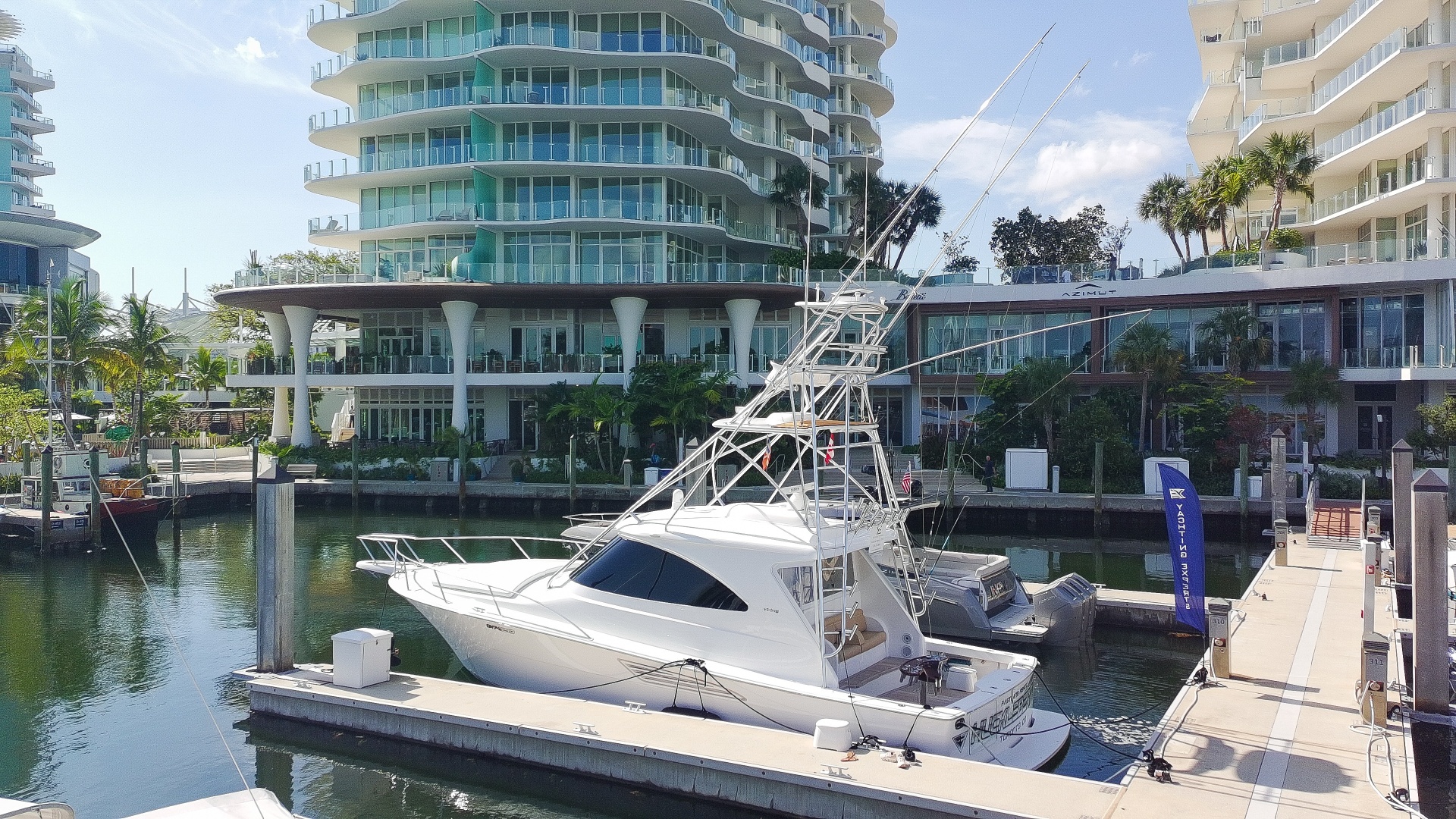
2020 Viking Huckleberry
$1,495,000
44
Fort Lauderdale Florida

2027 Canados
43
Miami Florida
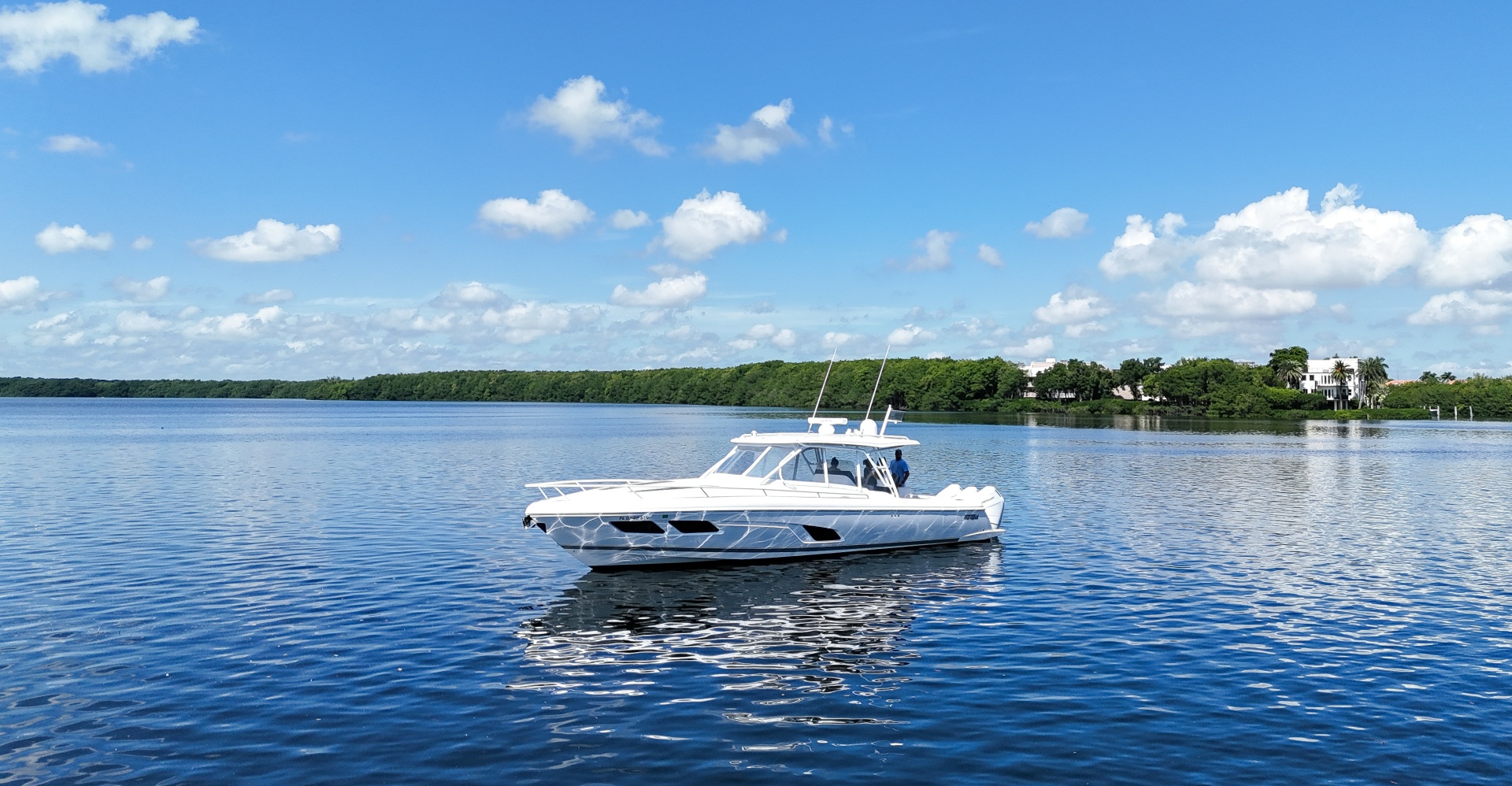
2021 Intrepid Dream Faster
$730,000
40
Coral Gables Florida

2016 Edgewater
$299,000
37
Miami, Florida

2022 Avid
$56,900
23
Stuart Florida
Get your yacht value Estimate
"*" indicates required fields