

Buying your first yacht in Florida is one of the most exciting financial decisions you will ever make. The process, formally called vessel acquisition, covers everything from defining your budget and choosing the right hull type to securing marine financing and clearing title. Florida’s warm waters, year-round boating season, and a sales tax cap of $18,000 on boat purchases make it one of the most buyer-friendly states in the country. Knowing how to buy your first yacht in Florida before you sign anything saves you money, time, and real headaches.
How to buy your first yacht in Florida: step by step
The yacht buying process in Florida follows a clear sequence. Skipping steps, especially inspections and title checks, is the single most common mistake first-time buyers make.
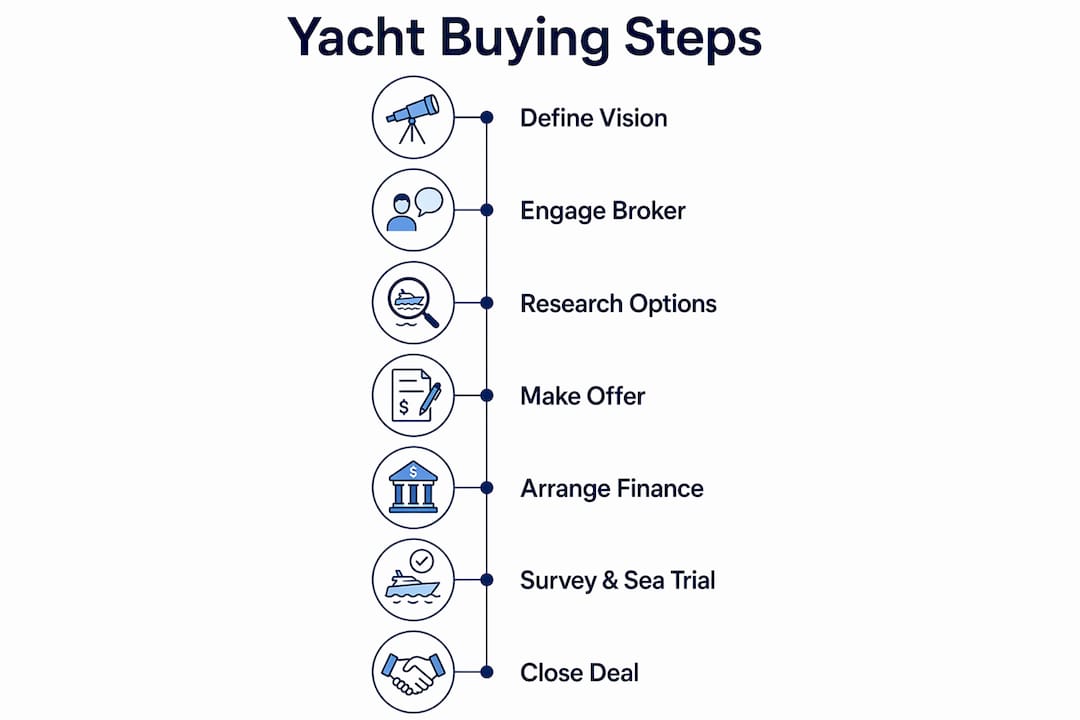
1. Define your vision and set a realistic budget
Start by writing down exactly how you plan to use the vessel. Weekend cruising in Biscayne Bay, offshore fishing in the Gulf, or extended liveaboard trips each demand a different hull, range, and onboard systems. Your budget must cover the purchase price plus insurance, marina fees, fuel, and maintenance. A good rule of thumb: plan for annual upkeep costs equal to roughly 10% of the vessel’s value.
2. Engage a qualified Florida yacht broker
A licensed Florida yacht broker gives you access to off-market listings, private viewings, and local market insight you simply cannot get on your own. Brokers understand Florida yacht ownership laws, tax implications, and closing procedures. The role of a yacht broker is to represent your interests, not just move inventory. Choose a broker with verifiable transactions in your target vessel category.
3. Research and compare vessel options
Compare motor yachts, sailing yachts, and catamarans across size, age, builder reputation, and resale value. Brands like Azimut, Sunseeker, and Hatteras hold value well in the Florida market. Ask your broker for comparable sales data on any vessel you are seriously considering. Price per foot is a useful starting metric, but condition and systems matter far more.
4. Make an offer with contingencies
Submit a written purchase offer that includes survey and sea trial contingencies. These clauses protect you if the inspection reveals defects. Never waive contingencies on a used vessel, regardless of how clean it looks at the dock.
Pro Tip: Ask your broker to include a specific dollar threshold in the survey contingency. If repair costs exceed that amount, you can walk away or renegotiate without losing your deposit.
5. Arrange financing early
Yacht lenders typically finance up to 80% of the vessel’s purchase price, with a minimum 20% down payment and loan terms up to 15 years. Getting pre-approved before you make an offer puts you in a stronger negotiating position. Marine lenders like Essex Credit and Southeast Financial specialize in yacht loans and understand vessel collateral in ways that general banks do not.
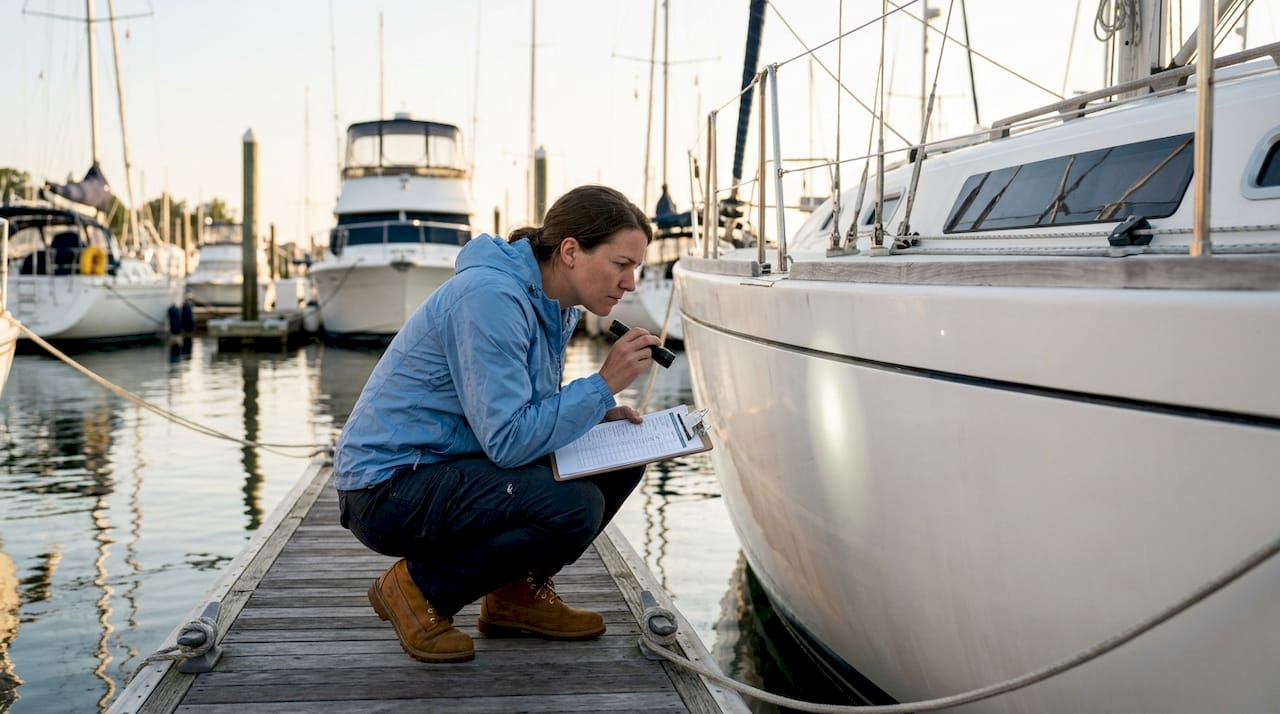
6. Conduct surveys, sea trials, and title checks
Hire a certified marine surveyor to inspect the hull, engines, electrical systems, and safety equipment. Schedule a sea trial on the same day if possible. Run a USCG documentation search and an abstract of title to check for liens. Engage a documentation agent immediately after the contract is signed to manage filings and avoid closing delays.
7. Close the deal
At closing, you will sign the bill of sale, transfer the title, pay applicable taxes, and file for Florida registration. Your documentation agent handles the USCG paperwork if the vessel is federally documented. The full yacht buying checklist from Yachtingexperts covers every document you need at this stage.
What are Florida’s yacht sales tax rules and registration requirements?
Florida’s tax structure for boat purchases is genuinely favorable compared to most states. Understanding it before you close protects you from surprise bills.
The $18,000 sales tax cap
Florida applies a 6% state sales tax on boat purchases, but the total combined tax is capped at $18,000. That cap has been in place since july 1, 2010. On a $500,000 yacht, you pay $18,000 in tax instead of $30,000. That difference is real money.
The county discretionary surtax adds another layer. It ranges from 0.5% to 2.5%, but it applies only to the first $5,000 of the purchase price. The maximum county surtax is $125. Both the state tax and the county surtax are counted together within the $18,000 ceiling.
| Tax type | Rate | Applied to | Maximum |
|---|---|---|---|
| State sales tax | 6% | Full purchase price | $18,000 combined cap |
| County discretionary surtax | 0.5%–2.5% | First $5,000 only | $125 |
| Use tax (out-of-state purchase) | 6% | Full purchase price | $18,000 cap, credit for taxes paid elsewhere |
Out-of-state purchases and use tax
Buying a yacht in another state and bringing it into Florida within six months triggers a use tax at 6%, still capped at $18,000. Florida gives you a credit for sales tax already paid in the other state. If you paid 4% there, you owe 2% in Florida.
Registration and title transfer
- Florida registration is required for all vessels operated on state waters.
- Federally documented vessels still need a Florida certificate of number for local use.
- Title transfers must be filed with the Florida Department of Highway Safety and Motor Vehicles.
- Private sales require the buyer to pay tax directly to the state; dealers collect it at closing.
- Review the Florida yacht registration steps to confirm you have every document ready before your closing date.
What are the best yacht financing options for Florida buyers?
Financing a yacht works differently from financing a car or a home. The asset class, loan structure, and lender pool are all specific to marine purchases.
Yacht lenders typically require a 20% down payment and offer terms up to 15 years. That structure means your monthly payment on a $300,000 vessel at current rates is roughly comparable to a mid-range home equity loan. The marine financing guide from Yachtingexperts breaks down current rate ranges and lender requirements in detail.
Beyond the loan itself, budget carefully for ongoing costs:
- Insurance: Expect $5,000–$15,000 annually depending on vessel size, age, and cruising area.
- Marina fees: South Florida slip fees range from modest to significant depending on location and vessel length.
- Fuel: A 50-foot motor yacht burns 30–50 gallons per hour at cruise speed.
- Annual maintenance: Haul-outs, bottom paint, engine service, and systems checks add up quickly.
- Warranty and service plans: New yachts from builders like Azimut or Sunseeker include limited warranties. Used vessels benefit from a pre-purchase service agreement with a certified yard.
Pro Tip: Ask your lender about a marine mortgage versus a simple installment loan. A marine mortgage may offer better rates and is secured against the vessel’s USCG documentation, which gives the lender cleaner collateral.
Credit score, debt-to-income ratio, and liquid assets all factor into lender approval. Marine lenders also assess the vessel’s age, condition, and market value independently. A survey completed before financing is submitted strengthens your application and often results in better terms.
Why are surveys and sea trials non-negotiable before closing?
A professional marine survey is the single most protective step in the entire buying process. Skipping it to save a few hundred dollars is a decision that costs buyers thousands every year.
A certified marine surveyor examines hull condition, engine performance, electrical systems, and safety gear. The written report documents every defect, deferred maintenance item, and safety concern. That report becomes your negotiating tool. If the survey reveals $20,000 in needed repairs, you can request a price reduction, ask the seller to fix items before closing, or walk away entirely.
Key due diligence steps before you close:
- Sea trial: Run the vessel at various speeds and observe engine behavior, steering response, and onboard systems under load.
- Lien search: Maritime liens may not appear in the USCG registry. Run both a USCG abstract of title and additional maritime lien searches to confirm clear title.
- USCG documentation check: Verify the vessel’s certificate of documentation matches the hull identification number on the boat.
- Tender and dinghy paperwork: Tenders are considered separate vessels and require their own title transfer. Missing this step creates ownership complications that are expensive to untangle.
“The survey is not a formality. It is the moment where you find out what you are actually buying.”
Negotiate repairs or a price adjustment based on survey findings before you release the deposit. A seller who refuses any adjustment after a survey with documented defects is a seller worth walking away from.
Key takeaways
Buying your first yacht in Florida requires a clear budget, a qualified broker, a thorough survey, and a solid understanding of Florida’s $18,000 sales tax cap before you sign anything.
| Point | Details |
|---|---|
| Florida’s $18,000 tax cap | Combined state and county sales tax on any boat purchase is capped at $18,000, saving buyers significant money on high-value vessels. |
| 20% down payment standard | Yacht lenders typically require 20% down and offer terms up to 15 years, so plan your cash reserves accordingly. |
| Survey before closing | A certified marine survey reveals defects and gives you negotiating power before you commit to the purchase price. |
| Lien searches are critical | Maritime liens may not show in the USCG registry, so run multiple title searches to confirm clear ownership. |
| Tenders need separate paperwork | Any dinghy or tender included in the sale requires its own title transfer to avoid ownership complications. |
What I have learned from watching first-time buyers in Florida
After years of working alongside buyers stepping aboard their first yacht, the pattern is always the same. The buyers who have the best experience are the ones who defined their vision before they ever walked a dock. They knew whether they wanted a motor yacht or a sailing vessel, a liveaboard or a weekend cruiser. That clarity made every subsequent decision faster and cleaner.
The buyers who struggled were the ones who fell in love with a boat before they understood the total cost of ownership. A $400,000 yacht with $80,000 in deferred maintenance and a slip in a premium Miami marina is not a $400,000 purchase. It is closer to a $550,000 commitment in year one. I have seen that surprise derail otherwise solid buyers.
Florida’s tax cap is a genuine advantage, but only if you know about it going in. Buyers who do not understand the $18,000 ceiling sometimes over-negotiate on price while ignoring the tax savings already built into the transaction. A good broker reframes that conversation immediately.
Patience during due diligence is the single trait that separates satisfied yacht owners from regretful ones. The sea trial, the survey, the lien search: none of these feel urgent when you are excited about a vessel. Every one of them is worth doing slowly and carefully. The joy of owning a yacht in Florida is real and lasting. The regret of skipping due diligence is equally real and far more expensive.
— Jason
Yachtingexperts is ready to guide your Florida yacht purchase
Yachtingexperts brings deep local knowledge, personalized vessel sourcing, and hands-on closing support to every first-time buyer we work with. Our team knows the Florida market, the tax rules, and the lenders who specialize in marine financing.

We walk you through the full yacht sales process from initial consultation to the moment you take the helm. Whether you need help identifying the right vessel, securing financing, or managing documentation and registration, Yachtingexperts handles every detail. Our brokerage advantages for Florida buyers include private viewings, market-priced offers, and tax-compliant closings. Contact us today for a personalized consultation and let us make your first yacht purchase exceptional.
FAQ
What is the sales tax cap on yacht purchases in Florida?
Florida caps the combined state and county sales tax on any boat purchase at $18,000. The state rate is 6%, and the county surtax applies only to the first $5,000 of the purchase price.
How much down payment do I need to finance a yacht in Florida?
Yacht lenders typically require a minimum 20% down payment and offer loan terms up to 15 years, financing up to 80% of the vessel’s purchase price.
Do I need a marine survey before buying a used yacht?
A professional marine survey is strongly recommended before any used yacht purchase. It documents hull condition, engine performance, and safety systems, giving you clear grounds to negotiate repairs or a price reduction.
What happens if I buy a yacht in another state and bring it to Florida?
Florida charges a use tax at 6%, capped at $18,000, on out-of-state vessels brought into the state within six months of purchase. You receive a credit for any sales tax already paid in the other state.
Are tenders and dinghies included in the main yacht title transfer?
No. Tenders and dinghies are treated as separate vessels under Florida and federal maritime rules. Each requires its own title transfer and paperwork at closing to ensure clean ownership.
Recommended
Request A Call
Featured Listings

2027 Canados
100
Miami Florida

2015 Maiora
$3,750,000
90
Miami Florida

2027 Canados
57
Miami Florida
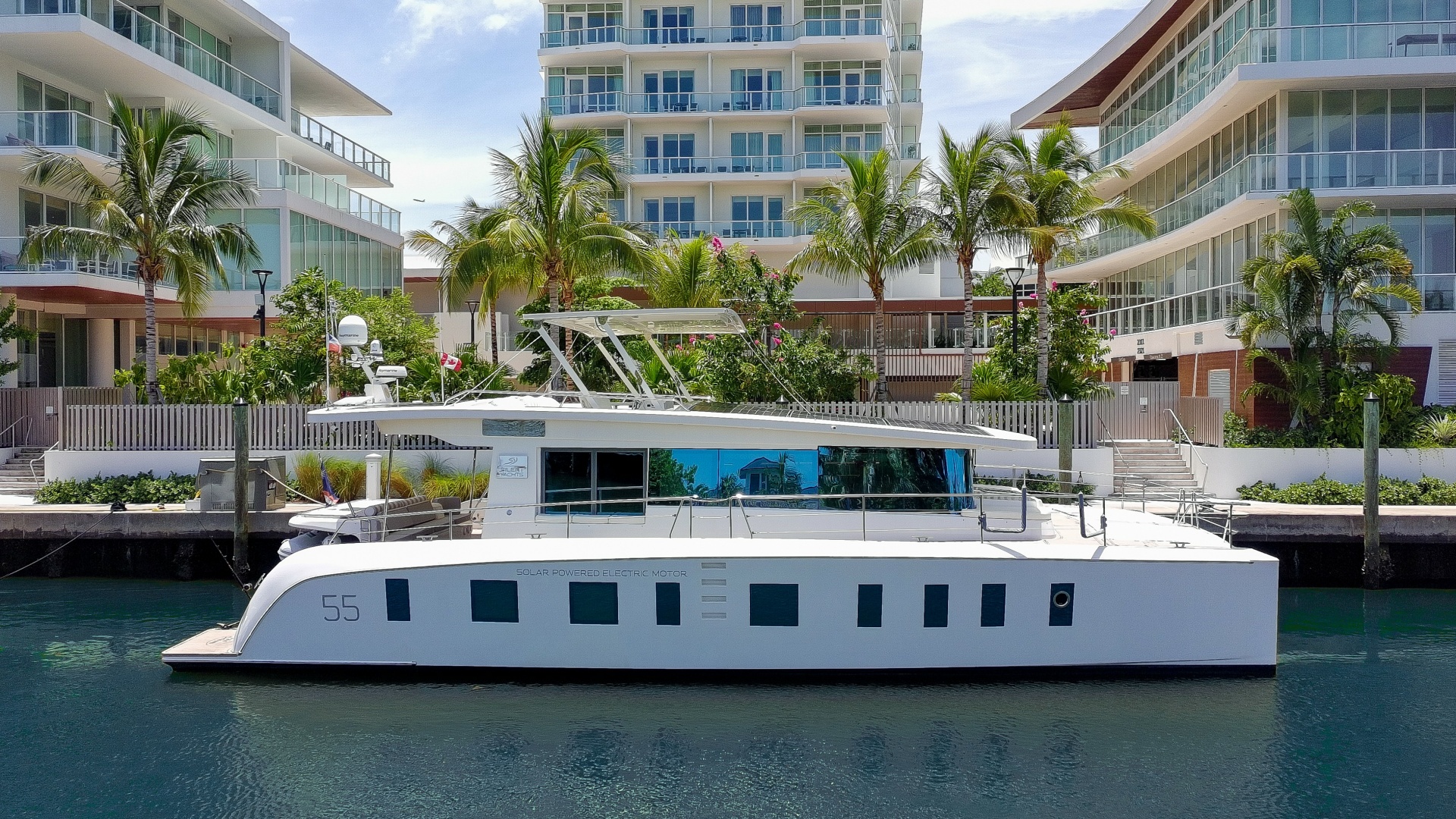
2019 Silent-Yachts Fair Dinkum
$1,599,000
55
Fort Lauderdale Florida

2026 Canados
49
Miami Florida

2026 Buddy Davis
47
Miami Florida
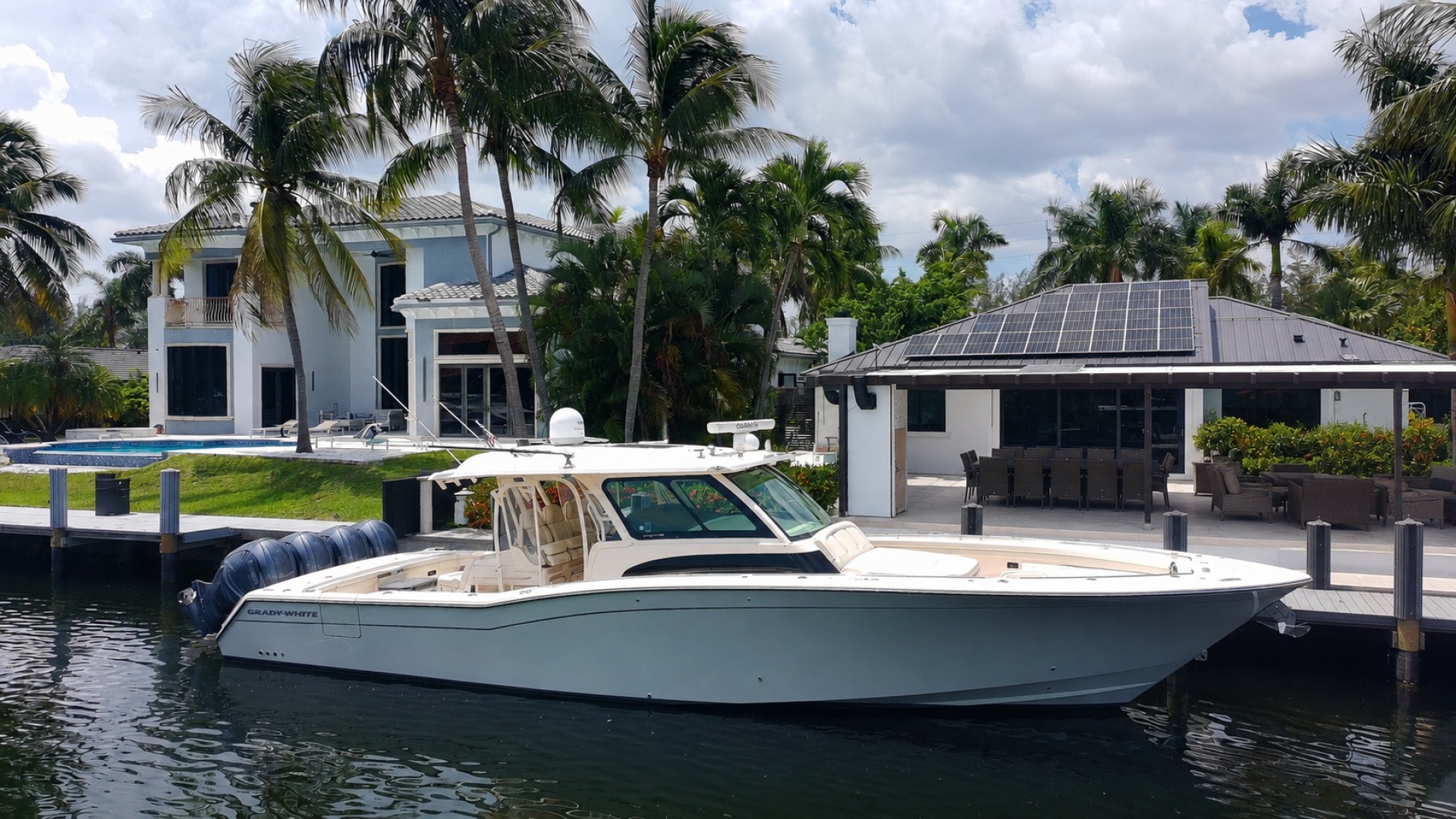
2020 Grady-White No Name
$610,000
45
Hallandale Beach Florida
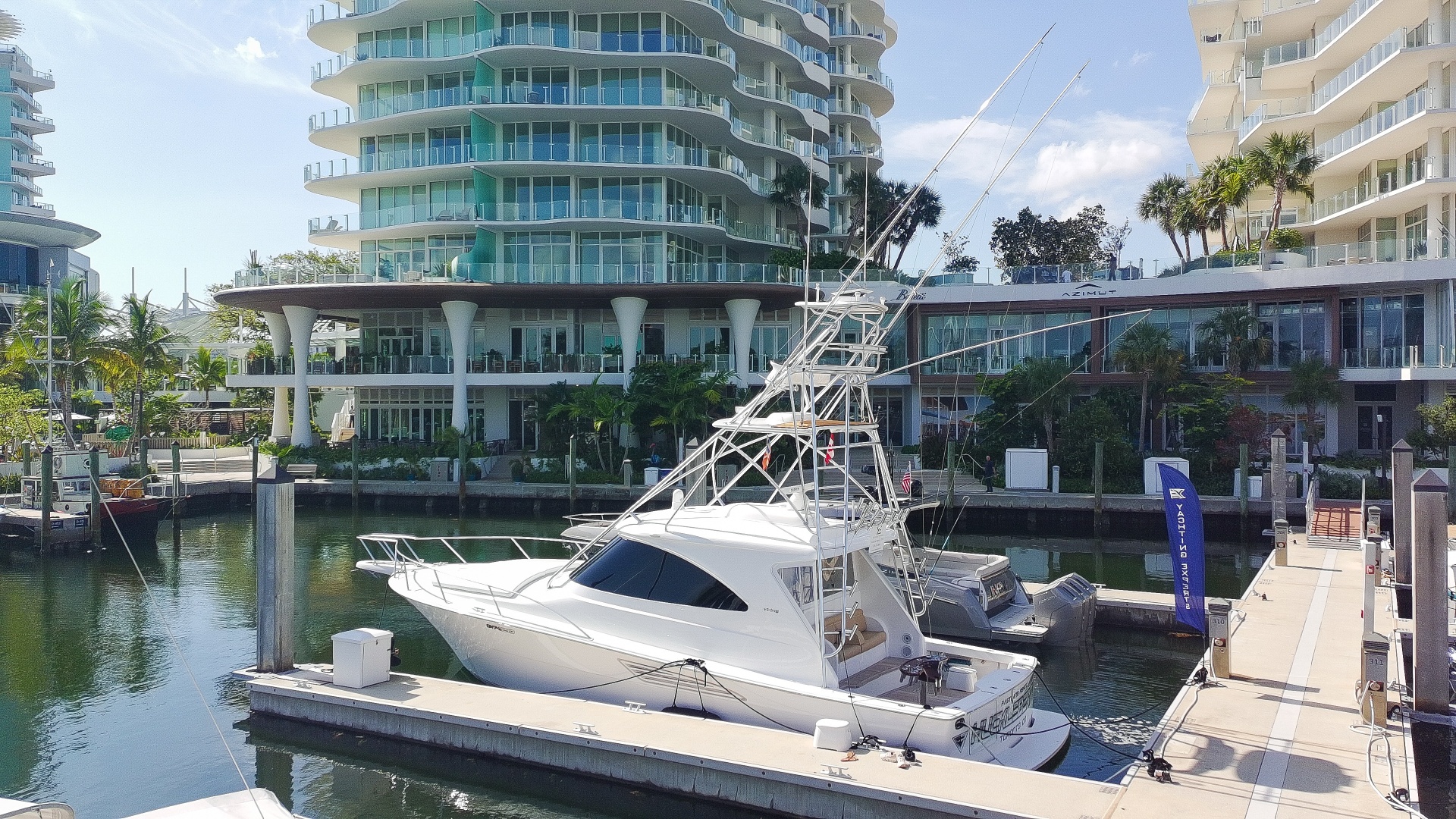
2020 Viking Huckleberry
$1,495,000
44
Fort Lauderdale Florida

2027 Canados
43
Miami Florida
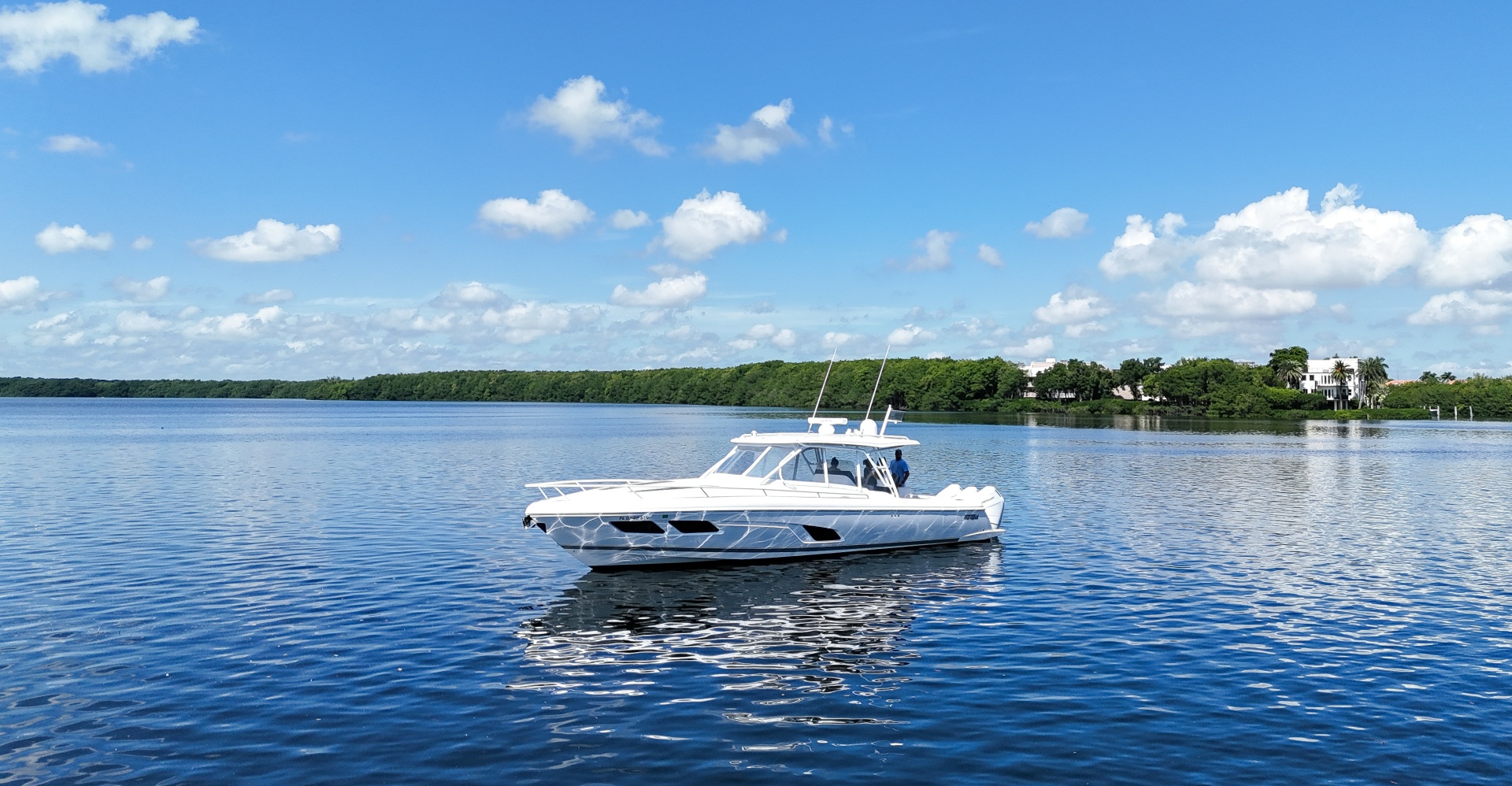
2021 Intrepid Dream Faster
$730,000
40
Coral Gables Florida

2016 Edgewater
$299,000
37
Miami, Florida

2022 Avid
$56,900
23
Stuart Florida
Get your yacht value Estimate
"*" indicates required fields