

Florida yacht broker selection is the process of identifying and hiring a licensed, bonded professional who will guide you through one of the most significant purchases of your life in one of the world’s most active yacht markets. Florida’s coastline, from Miami to Fort Lauderdale to the Florida Keys, hosts thousands of yacht transactions every year. The broker you choose directly determines the price you pay, the risks you avoid, and how smoothly the deal closes. Get this decision right, and stepping aboard your new yacht feels exactly the way it should.
What licensing requirements must florida yacht brokers meet?
Florida yacht broker licensing is not optional. The state requires all yacht and ship brokers to hold an active license and a surety bond before they can legally represent buyers or sellers. Licensed brokers must obtain surety bonds ensuring legal compliance and financial responsibility. That bond is your financial protection if something goes wrong during the transaction.
You can verify any broker’s license status directly through MyFloridaLicense.com, the state’s official portal for the Yacht and Ship Brokers regulatory body. The verification check shows active status and any disciplinary records. Never skip this step, no matter how polished a broker’s website looks.
Beyond state licensing, look for these professional credentials:
- IYBA membership: The International Yacht Brokers Association sets ethical standards and continuing education requirements for Florida brokers.
- CPYB certification: The Certified Professional Yacht Broker designation, administered by the Yacht Brokers Association of America, signals advanced training and peer-reviewed competence.
- Active surety bond: Confirm the bond is current, not expired.
- Clean disciplinary record: The MyFloridaLicense.com portal flags complaints and sanctions.
Pro Tip: Ask the broker to show you their license number directly. Any hesitation is a red flag. Legitimate professionals keep this information ready.
How do you evaluate a broker’s florida market experience?
Local expertise reduces transaction risks and accelerates deal closure. That is not a vague claim. A broker who has worked Fort Lauderdale’s Bahia Mar or Miami’s Coconut Grove marina circuit for a decade knows which slips have draft restrictions, which marinas have waitlists, and which sellers are motivated. That knowledge translates directly into your negotiation position.
When choosing a yacht broker in Florida, assess these specific dimensions of experience:
- Years in Florida specifically: National brokerage experience does not substitute for Florida market knowledge. Ask how many Florida transactions they have closed in the past two years.
- Yacht type specialization: A broker who focuses on sportfishers may not be the right fit if you are buying a 60-foot motor yacht. Specialization matters.
- Price range familiarity: Brokers who primarily handle vessels in the $200,000–$500,000 range may lack the network and negotiation experience for a $2 million purchase.
- Marina and regulatory knowledge: Florida has specific regulations around vessel registration, sales tax, and use-tax exemptions. Your broker should know these cold.
- Verifiable references: Ask for three recent buyer clients you can contact directly. A confident, experienced broker will provide them without hesitation.
The best yacht brokers in Florida combine years of local transactions with genuine relationships at the marinas where you want to keep your vessel. That network is worth more than any marketing brochure.
Pro Tip: Search Florida yacht broker reviews on Google and the IYBA member directory. Look for patterns across multiple reviews, not just the star rating. One detailed negative review about communication problems is more informative than ten generic five-star posts.
What services should a professional yacht broker offer buyers?
Yacht brokerage services in Florida go far beyond showing you listings. A professional broker acts as your advocate from the first conversation through the closing table. Brokers facilitate sea trials, surveys, contract negotiations, and closing, providing guidance that protects your interests at every stage. That full-service role is what separates a true professional from someone who simply holds a license.
Here is what a complete service offering looks like:
- Vessel sourcing and private viewings: Access to both listed and off-market yachts, with private viewings arranged around your schedule.
- Survey coordination: Connecting you with qualified marine surveyors and managing the logistics of the inspection.
- Sea trial management: Organizing and attending sea trials to evaluate the vessel’s mechanical condition and handling.
- Contract negotiation: Drafting and reviewing purchase agreements, counter-offers, and contingency clauses that protect your deposit and your interests.
- Closing management: Coordinating title transfer, Florida sales tax documentation, and lien searches so nothing falls through at the finish line.
- Marketing exposure (for sellers): High-quality photography, virtual tours, and global marketplace listings maximize vessel visibility and attract qualified buyers faster.
Communication standards matter as much as the service list. Your broker should provide written updates at every major milestone and respond to calls or messages within 24 hours. If a broker goes quiet after the initial meeting, that behavior will not improve once your deposit is on the table.
Pro Tip: Ask specifically how the broker handles the period between accepted offer and closing. This is where deals fall apart. A great broker has a documented process for this phase.
How do commission structures and fees compare?
Yacht brokerage commissions in Florida typically range between 5–10% of the final sale price. The seller pays this commission, but it is factored into the asking price, which means buyers absorb it indirectly. Understanding this structure helps you evaluate the true cost of your purchase.
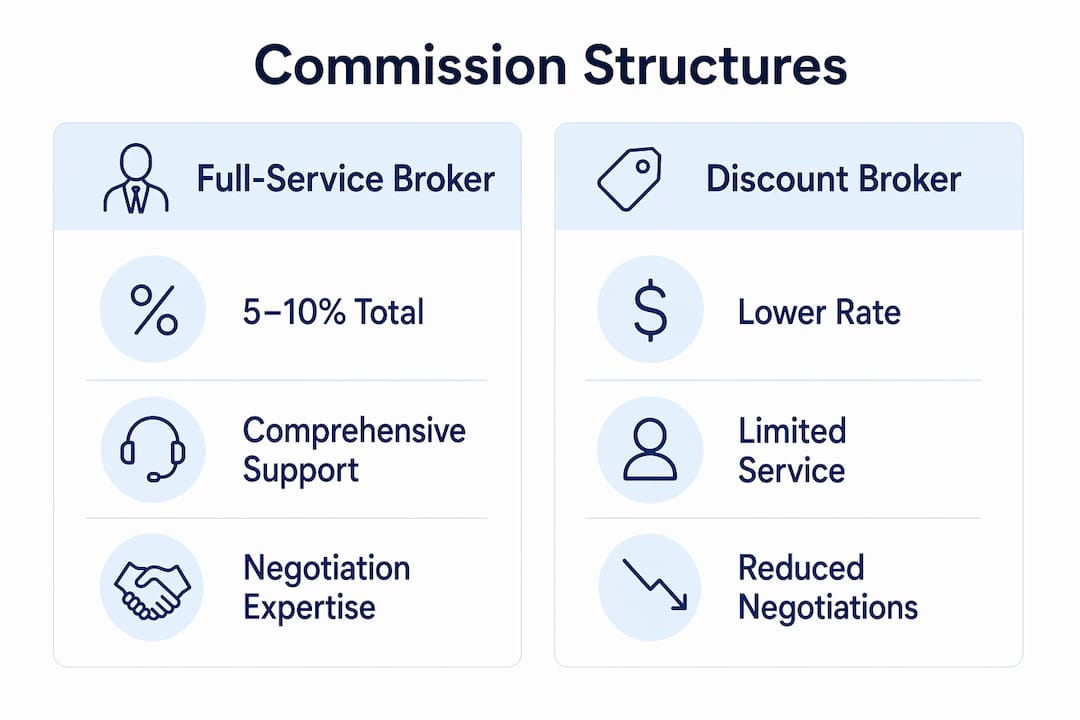
Commissions are generally split evenly between the listing broker and the buyer’s broker. On a 10% total commission, each firm receives 5%. That split incentivizes buyer brokers to bring qualified clients and negotiate efficiently.
| Commission Approach | Typical Rate | What You Get |
|---|---|---|
| Standard full-service broker | 5–10% total | Full negotiation, survey coordination, legal oversight, closing support |
| Discount or flat-fee broker | Below market rate | Limited services, reduced negotiation support, minimal legal guidance |
| Dual agency (one broker, both sides) | Negotiable | Convenience, but potential conflict of interest |
Choosing a broker based solely on lower commission rates can backfire. A skilled broker who negotiates $50,000 off the asking price on a $500,000 yacht delivers far more value than a discount broker who saves you 2% in fees but leaves money on the table. The Florida yacht commission guide from Yachtingexperts breaks down how to approach these conversations with confidence.
Experienced brokerage professionals consistently emphasize local knowledge over commission costs when selecting a broker. That expertise translates into superior outcomes for buyers, period.
What questions should you ask and what red flags should you watch for?
Typical questions to ask prospective yacht brokers include length of experience, yacht specialization, marketing approach, commission structure, and client references. These questions help you assess fit and professional capability before you commit.
Go deeper with these specific questions:
- “How many Florida yacht transactions did you close in the past 12 months?”
- “What is your specialization by vessel type and price range?”
- “Can you walk me through your process from offer to closing?”
- “How do you handle disputes or issues that arise during the survey period?”
- “Who else on your team would I be working with, and what are their credentials?”
Watch for these red flags without exception:
- No verifiable license: If they cannot provide a license number you can check on MyFloridaLicense.com, walk away.
- Vague commission terms: Any broker who cannot clearly explain how their commission is structured and paid is not someone you want handling your contract.
- Poor communication from the start: If responses are slow or evasive during the evaluation phase, that pattern will continue throughout your transaction.
- Pressure tactics: A professional broker presents options and respects your timeline. Pressure to decide quickly on a specific vessel is a warning sign.
- No references: Every experienced broker has satisfied clients willing to speak on their behalf.
The right broker will welcome your questions. They know that a well-informed buyer makes for a smoother transaction for everyone involved.
Key takeaways
Selecting the right Florida yacht broker comes down to verifying credentials, assessing local expertise, and confirming that their services match the full scope of your purchase.
| Point | Details |
|---|---|
| Verify licensing first | Check every broker’s active license and bond status at MyFloridaLicense.com before any further evaluation. |
| Prioritize local market knowledge | A broker with deep Florida experience reduces risk and improves your negotiation position more than any fee discount. |
| Evaluate the full service offering | Confirm your broker handles surveys, sea trials, contract negotiation, and closing, not just introductions. |
| Understand the commission structure | Standard Florida commissions run 5–10%, paid by the seller but factored into your purchase price. |
| Ask direct questions and check references | Contact past buyer clients directly and watch for communication red flags from the first conversation. |
What i’ve learned about trusting a florida yacht broker
I have watched buyers make the same mistake repeatedly: they choose a broker based on a polished website or a slightly lower commission rate, then spend months frustrated by poor communication and missed opportunities. The Florida yacht market in 2026 is active and competitive. Inventory moves. A broker who does not have real relationships at Lauderdale Marine Center, Bahia Mar, or the marinas along the Intracoastal does not have the access you need.
The most valuable thing a great broker brings is not their listing database. It is the phone call they make on a Tuesday afternoon to a colleague about a vessel that has not hit the market yet. That is where the best deals happen, and you only get access to those conversations through a broker with genuine local standing.
For remote buyers, this matters even more. If you are flying in from New York or Chicago to evaluate yachts, you need a broker who has already done the legwork. They should know which vessels are worth your time before you board a plane. I have seen remote buyers waste entire trips on yachts their broker had never personally inspected. That is not representation. That is a disservice.
My honest advice: treat the broker selection process the same way you would treat hiring a real estate attorney or a financial advisor. Verify credentials, ask hard questions, and trust your instincts about communication. The broker who makes you feel like a priority during the evaluation phase will make you feel like a priority when it counts most.
— Jason
Work with Yachtingexperts for your florida yacht purchase
Ready to find a broker you can genuinely trust? Yachtingexperts offers a high-touch, personalized experience built around your specific yachting goals. Our team holds your hand through every stage of the process, from vessel sourcing and private viewings to contract negotiation and closing.

We specialize in the Florida market, with deep knowledge of local marinas, regulations, and the yacht types that deliver the best long-term value. Whether you are buying your first yacht or trading up to something exceptional, our expert brokerage services are designed to protect your investment and maximize your return. Explore how we work and connect with our team today at Yachtingexperts.
FAQ
What does florida yacht broker licensing require?
Florida requires all yacht and ship brokers to hold an active state license and a surety bond. You can verify any broker’s credentials at MyFloridaLicense.com.
How much commission does a florida yacht broker charge?
Florida yacht broker commissions typically range between 5–10% of the final sale price, paid by the seller. The total commission is usually split evenly between the listing broker and the buyer’s broker.
How do i verify a florida yacht broker’s credentials?
Check the broker’s license status and disciplinary history at MyFloridaLicense.com through the Yacht and Ship Brokers regulatory portal. Also look for IYBA membership or CPYB certification as additional markers of professionalism.
Why does local market knowledge matter when choosing a yacht broker?
A broker specialized in Florida waters understands local marina regulations, pricing trends, and off-market inventory. That knowledge directly improves your negotiation outcomes and reduces transaction risk.
What services should a florida yacht broker provide to buyers?
A full-service broker coordinates vessel sourcing, private viewings, marine surveys, sea trials, contract negotiation, and closing. Brokers also act as your advocate throughout the transaction, protecting your deposit and your interests at every stage.
Recommended
Request A Call
Featured Listings

2027 Canados
100
Miami Florida

2015 Maiora
$3,750,000
90
Miami Florida

2027 Canados
57
Miami Florida
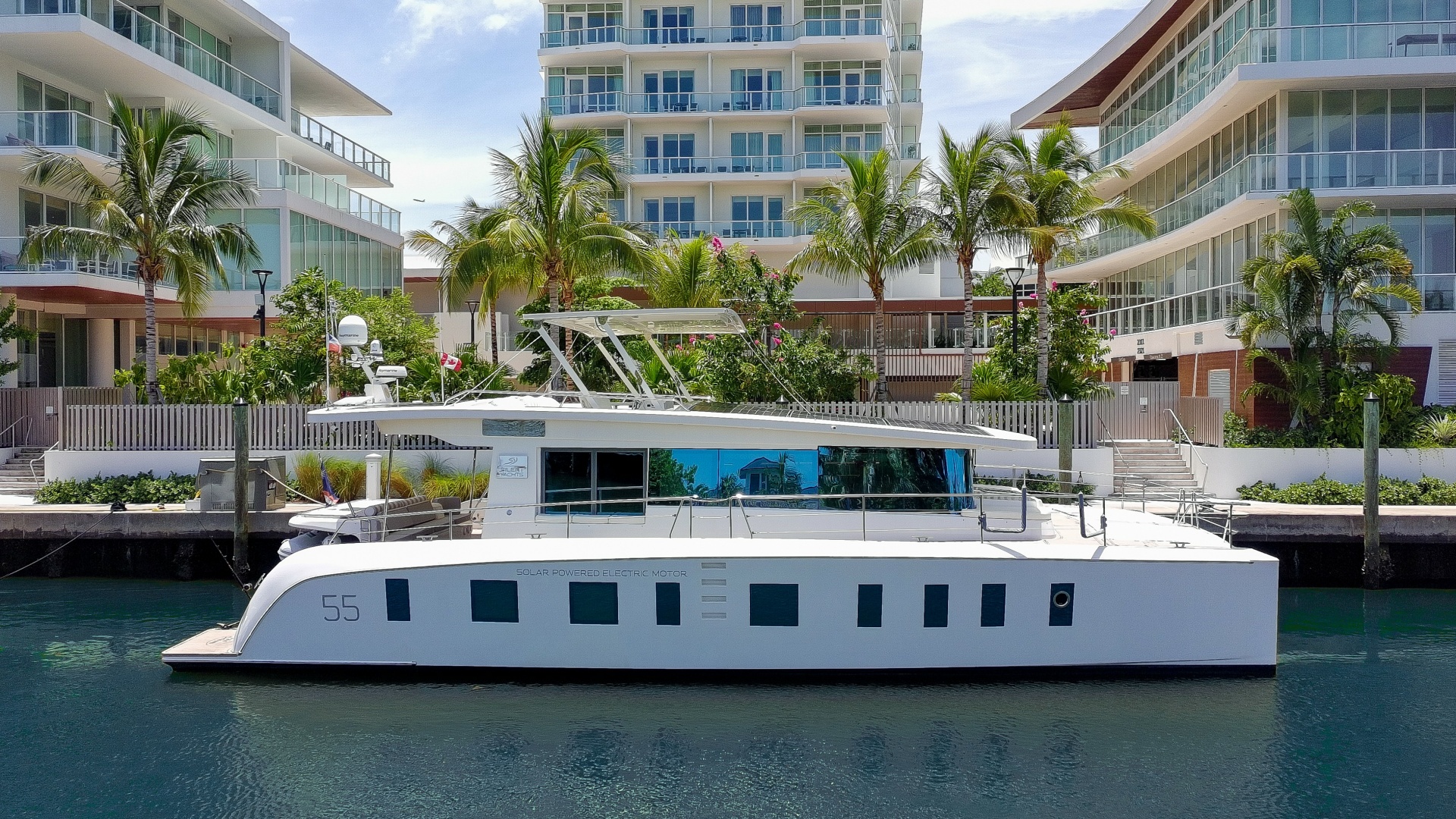
2019 Silent-Yachts Fair Dinkum
$1,599,000
55
Fort Lauderdale Florida

2026 Canados
49
Miami Florida

2026 Buddy Davis
47
Miami Florida
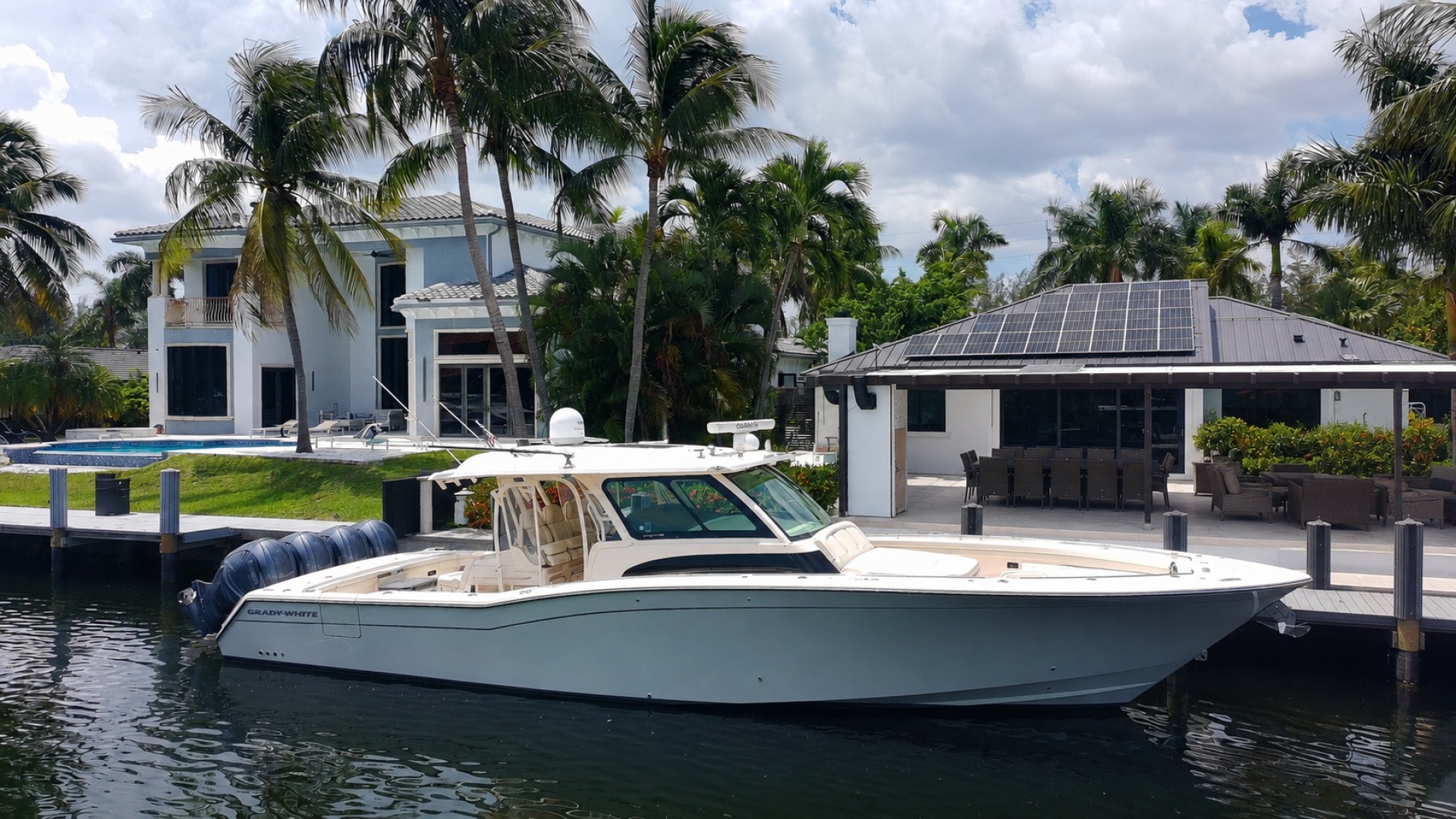
2020 Grady-White No Name
$610,000
45
Hallandale Beach Florida
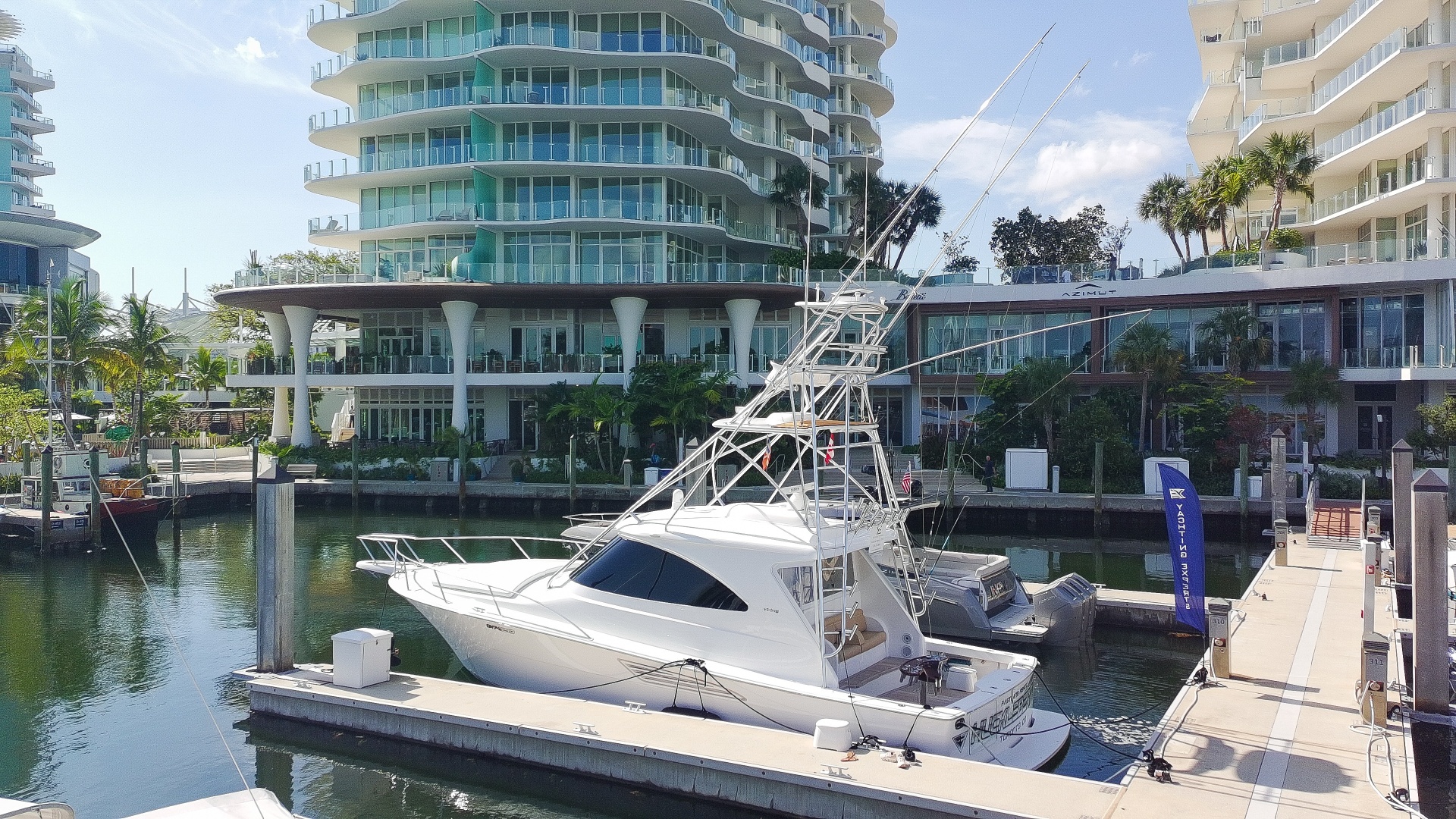
2020 Viking Huckleberry
$1,495,000
44
Fort Lauderdale Florida

2027 Canados
43
Miami Florida
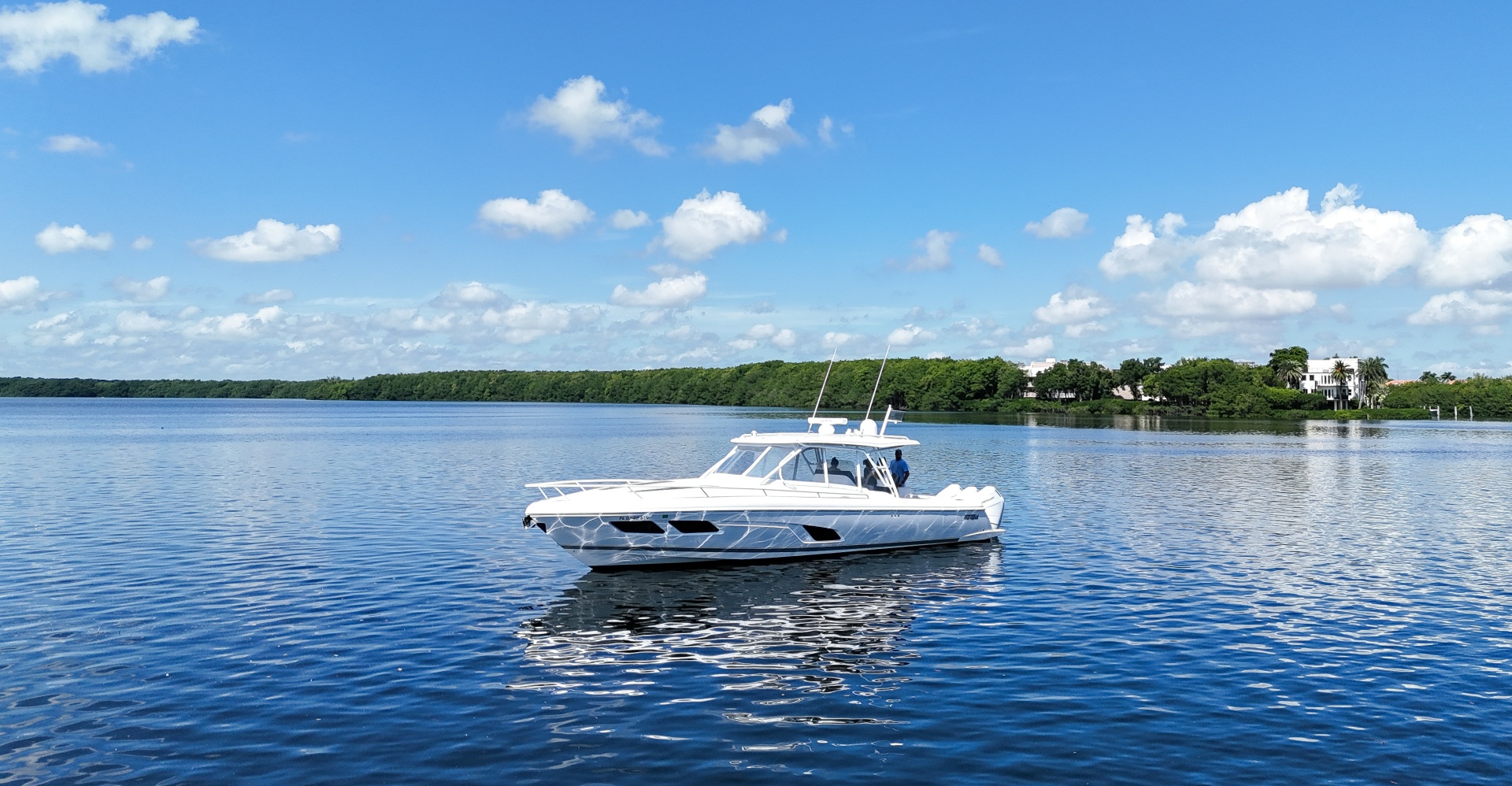
2021 Intrepid Dream Faster
$730,000
40
Coral Gables Florida

2016 Edgewater
$299,000
37
Miami, Florida

2022 Avid
$56,900
23
Stuart Florida
Get your yacht value Estimate
"*" indicates required fields