

A Florida liveaboard yacht setup is the process of legally registering, equipping, and maintaining a vessel as your primary residence in Florida waters. Getting it right means understanding Florida Statute 327.02, choosing the right marina, and budgeting for costs that range from $1,500 to $3,000 per month for a modest 35–50 foot vessel. Florida’s warm climate, 1,350 miles of coastline, and vibrant waterfront communities make it one of the most appealing states for liveaboard life. The challenge is that the rules are layered, the costs are real, and the lifestyle rewards those who prepare.
What are the legal requirements for Florida liveaboard vessels?
Florida law defines a liveaboard vessel as one used solely as a residence without navigation capability or with a filed declaration of domicile. That definition matters because it triggers a separate set of rules under Florida Statutes 327.02 and 327.60, including local government authority to regulate where you anchor and how long you stay. Violations can result in fines up to $250 under state law, and local ordinances can stack additional penalties on top.
The 2026 legislative session brought significant changes through CS/CS/HB 1103. New local authority over vessels now allows cities and counties to enforce nuisance and long-term anchoring violations with fines escalating from $100 to $500. Repeated violations can lead to vessel impoundment. This is not a theoretical risk. Cities like Palm Beach already restrict overnight anchoring to 30 days within any six-month period.
Local zoning laws and marina policies often govern daily liveaboard feasibility more than state statutes. For newcomers, this layered system is the single biggest source of confusion and compliance risk.
Here is what you need to confirm before committing to any location:
- Florida Statute 327.02 compliance: Verify whether your vessel qualifies as a liveaboard under state law.
- Local anchoring ordinances: Check city and county rules for your intended anchorage or marina.
- Marina slip agreements: Read every clause. Many marinas cap liveaboard slips or charge a liveaboard premium.
- Vessel registration: Vessels 40 to under 65 feet pay approximately $127.75 annually and must carry USCG-approved personal flotation devices, fire extinguishers, visual distress signals, sound devices, and navigation lights.
- Declaration of domicile: If you plan to claim the vessel as your legal residence, file this document with your county clerk.
Federal, state, and local laws overlap heavily in Florida. Local ordinances frequently have the final say on liveaboard feasibility, which means the marina you choose is as much a legal decision as a lifestyle one.
How to budget for liveaboard life in Florida
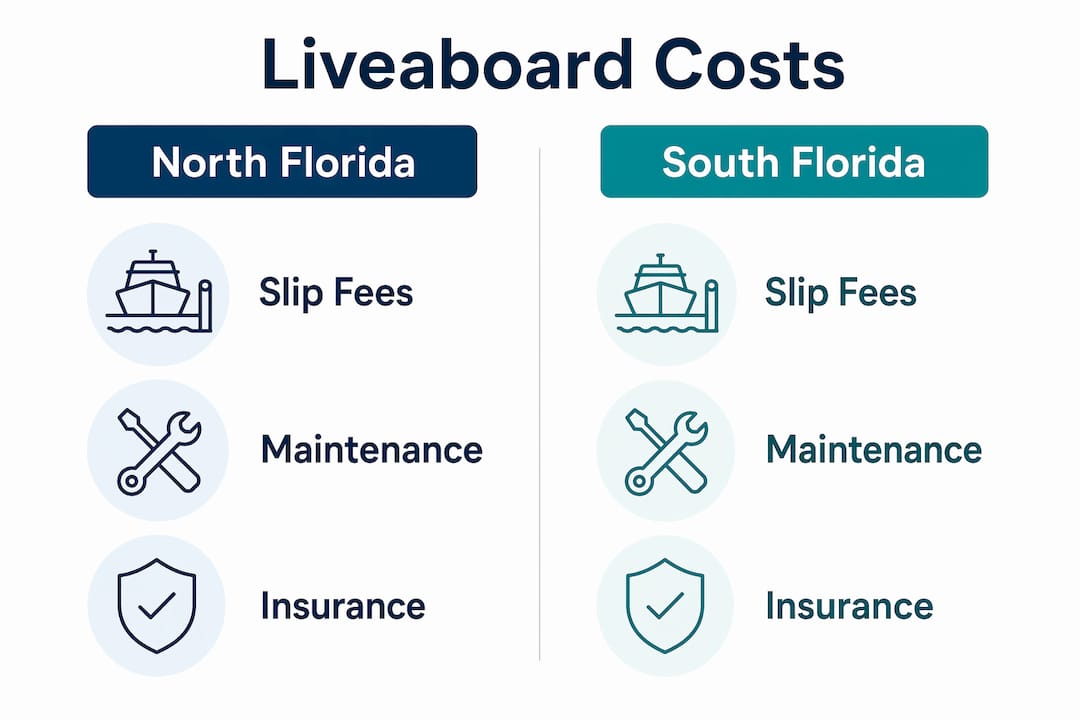
Living aboard costs between $1,500 and $3,000 per month for a typical 35–50 foot setup. That figure includes slip fees, maintenance, and insurance, but the range is wide because Florida’s geography creates dramatic price differences.
| Cost Category | North Florida | South Florida (Premium) |
|---|---|---|
| Slip fees (per foot/month) | $8–$15 | $20–$40 |
| Monthly slip (40-foot vessel) | $320–$600 | $800–$1,600 |
| Electricity | $50–$150 | $50–$150 |
| Hull cleaning | ~$150 | ~$150 |
| Full-timer insurance | Varies by vessel | Varies by vessel |
Maintenance budgeting follows a simple rule: set aside 10% of your vessel’s value per year. On a $200,000 yacht, that is $20,000 annually, or roughly $1,667 per month. That number surprises most first-time liveaboards, but Florida’s warm, humid waters accelerate wear on every system aboard.
Full-time liveaboard insurance costs more than a standard recreational policy. Specialized “full timer” policies cover physical damage, liability, theft, and named storm protection. Most marinas require proof of hurricane coverage before they will grant you a liveaboard slip. Skipping this coverage to save money is a fast path to a very expensive problem.
Pro Tip: Professional hull cleaning in Florida runs approximately $150 per month. DIY cleaning is rarely sufficient because warm water accelerates algae and barnacle growth, which degrades fuel efficiency and damages the hull faster than most owners expect.
Living aboard does eliminate a traditional mortgage and property taxes. For many families, the total monthly cost of liveaboard life compares favorably to renting or owning a home in coastal Florida markets. You can explore a full breakdown of Florida yacht ownership costs to see how the numbers stack up for your specific situation. Understanding the costs and benefits of yacht ownership before you commit is the single best financial decision you can make.
How to choose the right yacht and marina for liveaboard life
The right vessel for liveaboard yacht living depends on whether you are setting up solo or with a family. A single person or couple can live comfortably on a 35–42 foot trawler or sailboat with a well-designed interior. Families with children need at least 45–55 feet to maintain separate sleeping areas, storage, and workspace. Layout matters more than length. A 50-foot vessel with a poor floor plan feels smaller than a well-designed 42-footer.
When evaluating marinas, prioritize these features:
- Shore power (30 or 50 amp): Non-negotiable for running air conditioning and appliances year-round.
- Fresh water hookup: Continuous dockside water access eliminates the need to manage tank capacity daily.
- Pump-out station: Florida law requires proper sewage disposal. Marinas without pump-out stations create compliance headaches.
- Wi-Fi and security: Full-time residents need reliable internet. Gated access and on-site staff matter for safety.
- Floating docks: Floating docks rise with storm surge, reducing the risk of damage or sinking during hurricanes. Fixed piers do not offer this protection.
Geographic location shapes both cost and safety. The Florida Keys and Miami offer exceptional lifestyle appeal but carry premium slip fees of $1,000–$2,000 per month in top marinas. North Florida locations like Pensacola, St. Augustine, and the Panhandle offer slip fees as low as $8 per foot per month with calmer hurricane exposure. The Sarasota and Tampa Bay areas sit in the middle, offering a strong balance of affordability, amenities, and community.
Hurricane hole status is a feature worth paying for. A marina with a designated hurricane hole or a geography that naturally shelters vessels gives you a real safety advantage during storm season. Confirm this before signing any slip agreement.

How to set up daily living and maintenance routines aboard
A well-run liveaboard operates on systems, not improvisation. Getting your daily routines right from the start saves money and prevents the kind of deferred maintenance that turns into expensive repairs.
- Set up shore power and water connections first. Connect to 30 or 50 amp shore power on day one. Running on batteries or a generator full-time is costly and hard on your systems.
- Establish a pump-out schedule. Most marinas offer pump-out service weekly or on demand. Set a recurring schedule and stick to it. Florida law prohibits overboard discharge in most state waters.
- Create a monthly maintenance checklist. Include hull cleaning, air conditioning filter checks, raw water strainer inspection, bilge pump testing, and engine zincs. Florida’s heat and humidity accelerate corrosion on every metal component aboard.
- Finalize your hurricane plan by june 1st each year. A solid plan includes evacuation routes, a designated hurricane hole or safe harbor, and a checklist for securing the vessel. Hurricane preparedness is not optional in Florida. It is the difference between a close call and a total loss.
- Solve your mailing address before you move aboard. Many Florida counties do not accept commercial mail forwarding for residency documents. Confirm your county’s requirements for voter registration and driver’s license eligibility before you give up your land address.
Pro Tip: Air conditioning is the most heavily used system on a Florida liveaboard. Service the unit every three months, not annually. Salt air and humidity clog filters and corrode coils faster than any other environment you will encounter.
The residency documentation challenge catches many new liveaboards off guard. Some Florida counties require a tangible residential address for licensing and voting. A marina with an established liveaboard community often has a process in place for this. Ask the marina manager before you sign a lease. You can also review Florida yacht port fees to understand what your slip agreement should and should not include.
Key Takeaways
A successful Florida liveaboard yacht setup requires legal compliance under Florida Statute 327.02, a marina with floating docks and hurricane protection, and a monthly budget that accounts for slip fees, maintenance, and full-timer insurance.
| Point | Details |
|---|---|
| Legal compliance is foundational | Verify liveaboard status under Florida Statute 327.02 and check local ordinances before committing to any location. |
| Budget for the full cost | Monthly costs run $1,500–$3,000 for a 35–50 foot vessel; set aside 10% of vessel value annually for maintenance. |
| Marina choice is a legal decision | Floating docks, hurricane holes, pump-out stations, and slip agreements directly affect your safety and compliance. |
| Insurance must cover full-time use | Standard recreational policies do not cover liveaboards; full-timer policies with hurricane protection are required by most marinas. |
| Residency logistics need early attention | Confirm county requirements for mailing address, voter registration, and driver’s license before giving up your land address. |
What I have learned after years of helping Florida liveaboards get set up
The biggest mistake I see is people falling in love with the lifestyle before they understand the regulations. They find a beautiful marina in South Florida, sign a slip agreement, and then discover that the city limits overnight anchoring, the marina caps liveaboard slips at ten vessels, and their insurance policy does not cover full-time habitation. That is a painful and expensive sequence of surprises.
The second mistake is underestimating maintenance. Florida waters are aggressive. The combination of heat, humidity, salt air, and biological growth means your vessel ages faster here than almost anywhere else in the country. The 10% annual maintenance rule is not conservative. For older vessels or those with complex systems, it can feel like a floor, not a ceiling.
What I genuinely love about helping families make this transition is watching them realize how much community exists in the liveaboard world. Marina neighbors share tools, knowledge, and storm prep resources in ways that land-based neighborhoods rarely match. That social infrastructure makes the regulatory and financial complexity worth navigating.
My honest advice: spend three months researching before you spend a dollar on a vessel. Visit marinas in person. Talk to current liveaboards. Read your target county’s ordinances. And work with people who know Florida waters and Florida law, because the details here are specific enough that general boating advice will not protect you.
— Jason
How Yachtingexperts can simplify your liveaboard setup
Setting up a liveaboard yacht in Florida is one of the most rewarding decisions you can make. It is also one where the right guidance makes an enormous difference in outcome.

Yachtingexperts offers a high-touch, personalized experience built around your specific needs and timeline. Whether you are sourcing your first liveaboard vessel, evaluating marina options, or planning to trade up to a larger yacht as your family grows, our team holds your hand through every step. We bring deep knowledge of Florida’s marina market, vessel requirements, and the financial structures that make liveaboard life work long-term. Reach out through our yacht setup services to start a conversation about your specific situation. This is your moment to make it happen right.
FAQ
What is the legal definition of a liveaboard in Florida?
Florida Statute 327.02 defines a liveaboard vessel as one used solely as a residence without navigation capability or with a filed declaration of domicile. Local governments have authority to impose additional regulations beyond state law.
How much does a Florida liveaboard setup cost per month?
Monthly costs typically range from $1,500 to $3,000 for a 35–50 foot vessel, covering slip fees, maintenance, insurance, and utilities. Slip fees alone range from $8–$15 per foot per month in North Florida to $20–$40 per foot per month in premium South Florida marinas.
Do I need special insurance to live aboard a yacht in Florida?
Standard recreational boat insurance does not cover full-time liveaboard use. You need a specialized full-timer policy that includes physical damage, liability, theft, and named storm protection. Most Florida marinas require proof of this coverage before granting a liveaboard slip.
What marina features are most important for liveaboards?
Shore power, fresh water hookup, pump-out stations, Wi-Fi, and floating docks are the core requirements. Floating docks rise with storm surge, which significantly reduces hurricane damage risk compared to fixed piers.
How do Florida liveaboards establish a legal mailing address?
Many Florida counties do not accept commercial mail forwarding for residency documents such as driver’s licenses and voter registration. Liveaboards should confirm their county’s specific requirements and consider marinas with established liveaboard communities that have existing processes for address documentation.
Recommended
Request A Call
Featured Listings

2027 Canados
100
Miami Florida

2015 Maiora
$3,750,000
90
Miami Florida

2027 Canados
57
Miami Florida
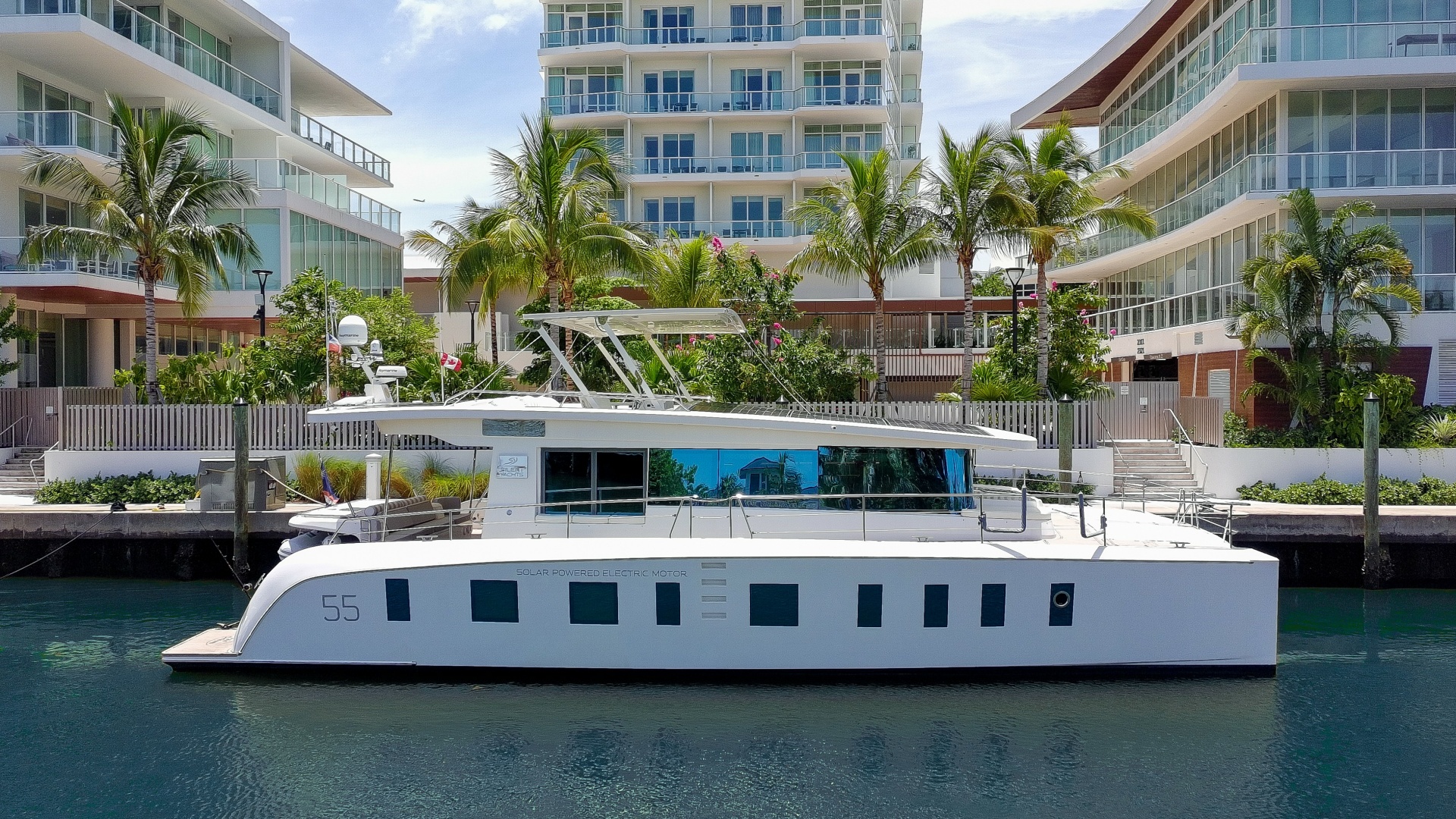
2019 Silent-Yachts Fair Dinkum
$1,599,000
55
Fort Lauderdale Florida

2026 Canados
49
Miami Florida

2026 Buddy Davis
47
Miami Florida
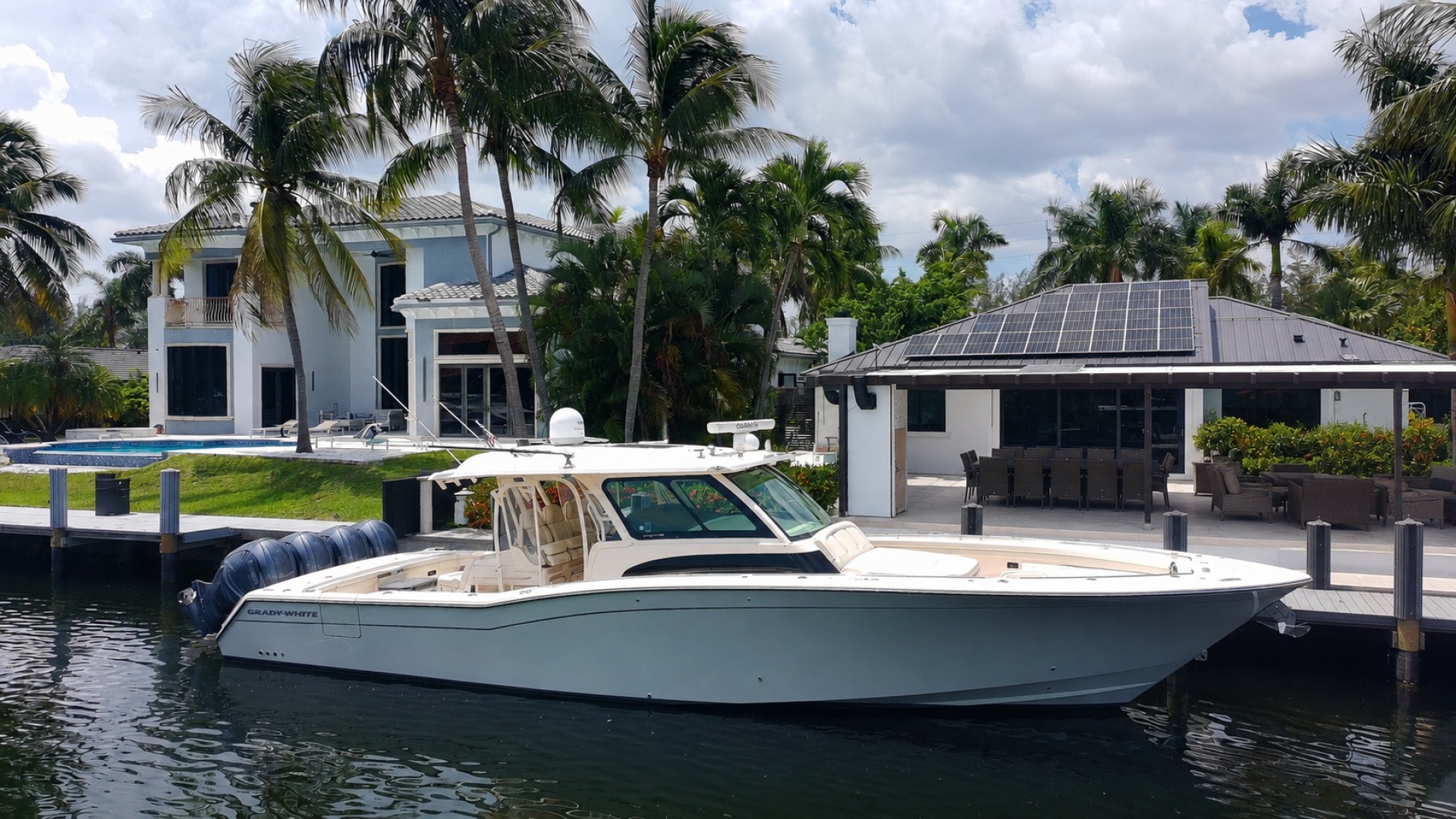
2020 Grady-White No Name
$610,000
45
Hallandale Beach Florida
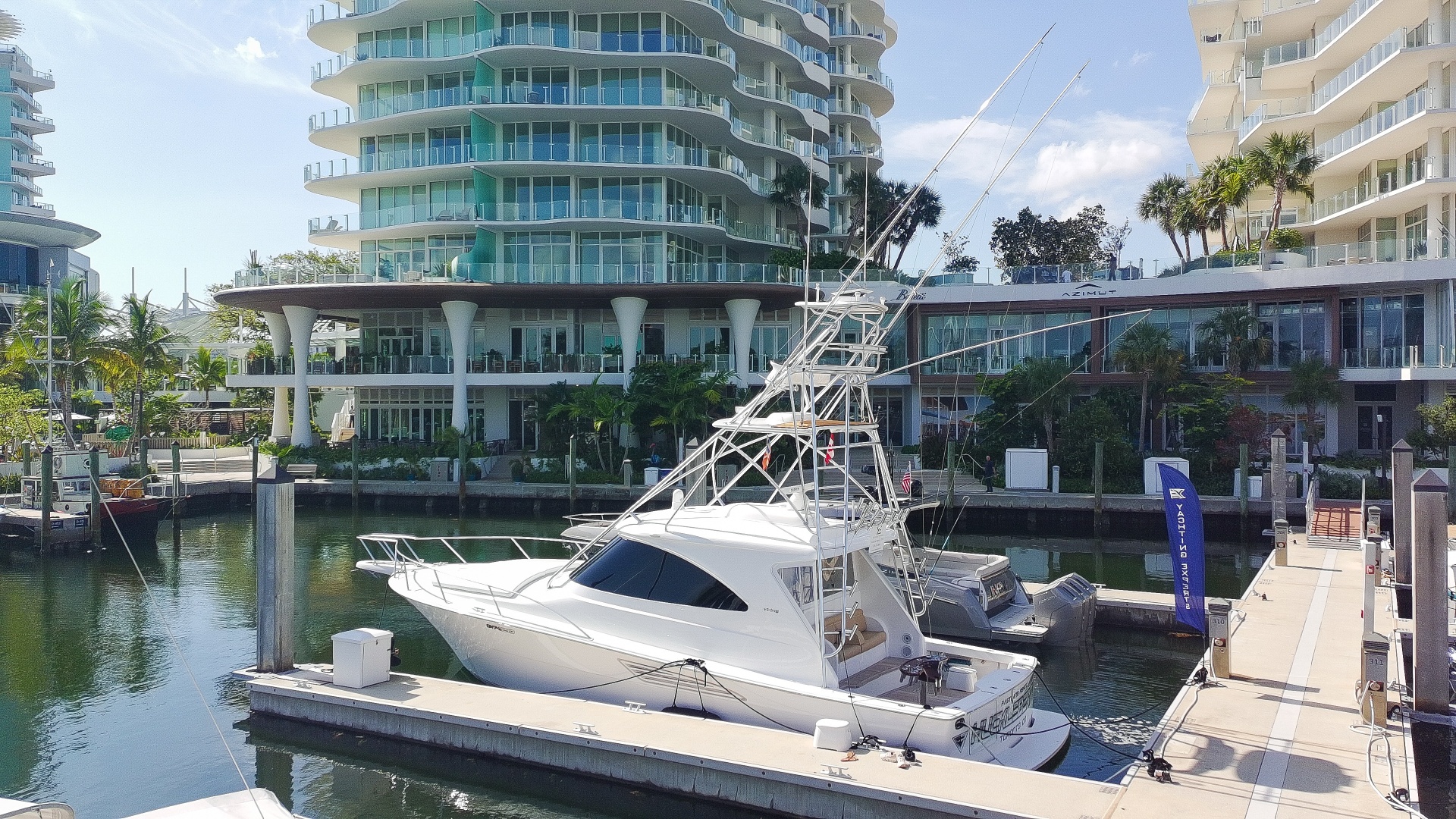
2020 Viking Huckleberry
$1,495,000
44
Fort Lauderdale Florida

2027 Canados
43
Miami Florida
2021 Intrepid Dream Faster
$730,000
40
Coral Gables Florida

2016 Edgewater
$299,000
37
Miami, Florida

2022 Avid
$56,900
23
Stuart Florida
Get your yacht value Estimate
"*" indicates required fields