

TL;DR:
- Fractional yacht ownership allows multiple people to share costs and usage of a luxury vessel.
- It offers significant cost savings and real equity compared to full ownership or chartering.
- Professional management and clear exit strategies make co-ownership a flexible yachting option.
Most people assume that stepping aboard your own luxury yacht requires a single, multimillion-dollar commitment. That belief stops a lot of qualified buyers from ever exploring the water. The reality? Fractional yacht ownership allows multiple individuals to purchase shares in a vessel, splitting both the cost and the experience without sacrificing quality. In this guide, we break down exactly how co-ownership yachts work, what they cost, how operations are managed, and how they compare to full ownership and chartering so you can make a genuinely informed decision.
Table of Contents
- What is co-ownership in the yacht world?
- How costs and value compare: Co-ownership vs full ownership and charter
- Management, scheduling, and exit strategies
- Pros, cons, and key brands in co-ownership
- Why the conventional wisdom about yacht ownership is changing
- Next steps: Work with experts for your fractional yacht journey
- Frequently asked questions
Key Takeaways
| Point | Details |
|---|---|
| Co-ownership expands yacht access | Sharing ownership lets you enjoy luxury yachts at a fraction of the usual cost. |
| Transparent costs and professional management | Most programs offer clear pricing, scheduled usage, and hands-off operations for owners. |
| Resale and exit easier than full ownership | Fractional shares are often easier to sell, with targeted marketing and buyback options. |
| Know the pros and cons | Co-ownership offers savings and equity, but comes with scheduling and resale market dependencies. |
What is co-ownership in the yacht world?
Co-ownership yachts, often called fractional yacht ownership, are exactly what they sound like. Instead of one person bearing the entire purchase price and operating costs, a small group of owners each buy a defined share of the same vessel. Fractional ownership means each buyer holds proportional equity and usage rights tied directly to their share size.
Shares typically range from 1/4 to 1/12 of the vessel, meaning anywhere from four to twelve owners can participate in a single program. The most common structure involves four to eight owners, which keeps scheduling practical and the community tight. Each owner’s usage allocation is directly proportional to their share. A 1/4 owner, for example, generally receives around 12 to 13 weeks of usage per year.
Understanding the co-ownership yacht structure is important because it determines not just how much you pay, but how much say you have in decisions about the vessel. Most programs hold the yacht inside a limited liability company, with each owner receiving a membership interest. This keeps ownership clean, protects personal liability, and simplifies the yacht ownership workflow when it comes to resale or transfer.
Here is a quick summary of how co-ownership programs are typically structured:
- Share sizes: 1/4, 1/6, 1/8, or 1/12 interests are most common
- Number of owners: Usually 4 to 8 per vessel
- Usage allocation: Weeks per year tied directly to share percentage
- Holding structure: LLC or equivalent entity for liability and tax purposes
- Management: A professional management company oversees day-to-day operations
- Scheduling: Managed through booking systems or rotation protocols
- Equity: Owners hold real equity and benefit from appreciation
The LLC structure is one of the most underrated advantages of this model. It separates your personal assets from any liability tied to the vessel, which matters enormously when you are talking about a multi-hundred-thousand-dollar asset operating on open water.
How costs and value compare: Co-ownership vs full ownership and charter
Once you understand the basics, it is crucial to consider how costs differ compared to other options. Numbers tell the clearest story here.
For a 50-foot yacht valued at $1.2 million, a 1/4 share would cost roughly $300,000 upfront. Annual operating costs for the full vessel, including crew, insurance, dockage, and maintenance, typically run $150,000 to $200,000 per year. Your proportional share of those costs as a 1/4 owner would be $37,500 to $50,000 annually. Compare that to absorbing the full $1.2 million purchase price and $200,000 in annual costs as a sole owner, and the math becomes compelling fast.

Fractional ownership can deliver cost savings of 60 to 75% compared to full ownership, making it one of the most efficient entry points into the luxury yacht market. For buyers who plan to use a yacht 4 to 12 weeks per year, fractional ownership delivers 70 to 80% of the ownership experience at just 25 to 40% of the cost.
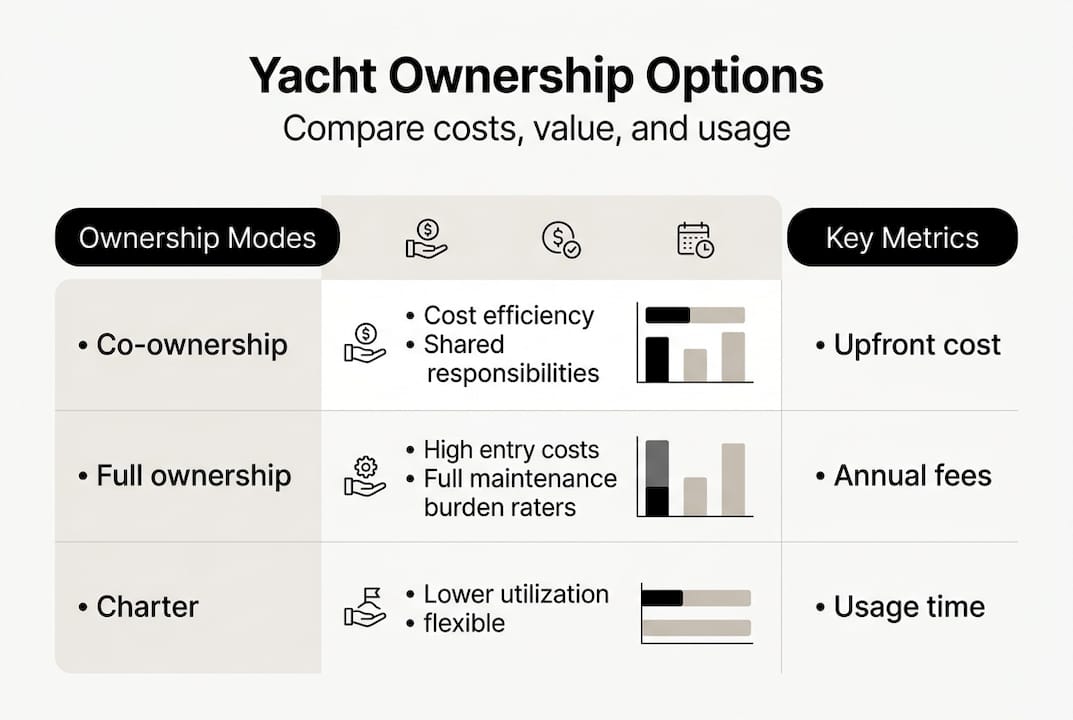
| Ownership type | Upfront cost (50 ft yacht) | Annual operating cost | Usage per year | Equity |
|---|---|---|---|---|
| Full ownership | $1,200,000 | $150,000 to $200,000 | Unlimited | Yes |
| Co-ownership (1/4 share) | $300,000 | $37,500 to $50,000 | 12 to 13 weeks | Yes |
| Charter (annual) | $0 | $50,000 to $120,000 | As booked | No |
Chartering looks affordable at first glance, but you build zero equity, have no control over the vessel’s condition, and costs add up quickly over multiple seasons. For a full yacht ownership cost breakdown, the numbers reinforce why fractional models are gaining traction with smart buyers.
Key value drivers in co-ownership:
- Access to a larger, better-equipped yacht than you could justify owning solo
- Shared maintenance and operating costs without sacrificing quality
- Real equity stake with appreciation potential
- Professional management included in most programs
Understanding the yacht investment advantages of each model helps you prioritize what matters most: flexibility, equity, or pure cost efficiency.
Pro Tip: Always request a full breakdown of management fees before signing. Some programs bury administrative charges, reserve fund contributions, and consumables costs in the fine print. Ask for an audited cost statement from the prior year.
Management, scheduling, and exit strategies
Financials aside, it is just as important to understand how operations and ownership transitions are handled. This is where co-ownership programs live or die in practice.
Professional management companies handle crew hiring and oversight, routine and emergency maintenance, insurance coordination, provisioning, dockage logistics, and scheduling for all owners. You show up, and the yacht is ready. That hands-off experience is one of the most cited reasons buyers choose fractional models over full ownership.
Scheduling is handled through booking systems that range from simple rotation calendars to sophisticated algorithms. Scheduling conflicts are resolved through advance booking windows, priority rotation systems, and in some programs, point-based bidding for peak dates. Peak season weeks like July 4th or New Year’s Eve are typically allocated through a fair rotation so no single owner monopolizes the best dates.
Here is how the key operational elements typically break down:
| Operational area | Who handles it | Owner involvement |
|---|---|---|
| Crew management | Management company | None |
| Maintenance scheduling | Management company | Notified only |
| Usage booking | Owner via app or portal | Direct |
| Insurance | Management company | Shared cost |
| Financial reporting | Management company | Quarterly review |
On the legal side, the yacht LLC legal structure is worth understanding before you commit. LLCs limit personal liability, can simplify tax treatment, and make ownership transfers cleaner. Speaking with an advisor about yacht tax benefits specific to your situation is always a smart move.
Exit strategies are another area where co-ownership shines. Resale of a fractional share is often faster and simpler than selling a full yacht because the buyer pool is larger and the price point is more accessible. Some programs maintain active waitlists of prospective buyers, which means co-ownership exit options can be exercised within weeks rather than months.
Pro Tip: Prioritize programs that maintain a dedicated reserve fund for vessel upgrades and repairs. Programs without audited reserve accounts can leave owners with surprise assessments when major maintenance is needed.
Pros, cons, and key brands in co-ownership
Weighing the pros and cons helps you determine if co-ownership fits your goals. Here is an honest look at both sides.
Advantages of co-ownership yachts:
- Cost savings and access to larger yachts than solo ownership would allow
- Professional management included, reducing your time burden significantly
- Real equity ownership with appreciation potential over time
- Potential tax benefits, especially within an LLC structure
- Easier exit compared to selling a full vessel
Drawbacks to consider:
- Scheduling constraints mean you cannot use the yacht spontaneously
- Shared decision-making on upgrades or vessel changes can be slow
- You do not have full control over how the yacht is used by other owners
- Resale liquidity depends heavily on the program’s reputation and market conditions
- Not all programs are equal, and poorly managed ones can erode your investment
The brand you choose matters enormously. Established names in the fractional yacht space include SharedYachts, Monocle Yachts, Yacht Share Network, SeaNet, and YachtPlus, each offering different vessel types, share structures, and geographic coverage. Some focus on Mediterranean cruising, others on Caribbean or Pacific routes. Evaluate each program’s track record, management transparency, and resale history before committing.
Stay current with co-ownership program news as the fractional market is evolving quickly, with new platforms and programs launching regularly in 2026.
Pro Tip: Ask any program you are evaluating for documentation of past resale transactions. A program that cannot show you a clear resale history is one to approach with caution.
Why the conventional wisdom about yacht ownership is changing
For years, the yachting world treated full ownership as the only legitimate path to the luxury experience. We have seen that belief cost buyers real money and real enjoyment. The honest truth is that most full owners use their vessel fewer than six weeks per year, leaving an expensive asset sitting idle at the dock while absorbing full operating costs.
Co-ownership flips that logic entirely. For buyers who realistically plan to use a yacht 4 to 12 weeks per year, fractional models deliver nearly the full experience at a fraction of the financial exposure. The stigma around shared ownership is fading fast, and the buyers we work with who have made the switch consistently tell us they wish they had done it sooner.
Liquidity is another area where the conventional wisdom is simply outdated. Fractional platforms have created genuine secondary markets for shares, making it easier than ever to exit, upgrade, or rebalance your investment. The path to maximizing yacht returns no longer requires sole ownership. It requires smart ownership.
Next steps: Work with experts for your fractional yacht journey
Ready to explore fractional ownership for yourself? The research process can feel overwhelming, but you do not have to navigate it alone.

At Yachting Experts, we specialize in guiding buyers through every stage of the co-ownership process, from evaluating programs and negotiating share terms to understanding your co-ownership setup services and long-term exit planning. Our yacht broker guidance ensures you never overpay or commit to a program that does not fit your lifestyle. If you are also curious about yacht chartering options as a way to test the waters before buying, we can walk you through that too. Reach out to our team and let’s find the right path for your yachting goals.
Frequently asked questions
How does co-ownership yacht scheduling work?
Scheduling conflicts are resolved through booking algorithms and advance reservation systems that rotate priority fairly among all owners. Most programs use digital portals where you can view availability and book your weeks in advance.
Can I sell my share in a co-ownership yacht easily?
Resale liquidity is generally higher for fractional shares than for full yacht sales because the lower price point attracts a wider buyer pool. The speed of your exit depends largely on the program’s resale infrastructure and current market demand.
How are maintenance and operations of the yacht handled?
A professional management company oversees all crew hiring, maintenance scheduling, insurance, provisioning, and day-to-day logistics so owners enjoy a completely hands-off experience.
What is the main difference between yacht co-ownership and timeshare?
Co-ownership differs from timeshare in one critical way: you hold real equity in the vessel with appreciation potential, whereas a timeshare grants only usage rights with no ownership stake.
Are there tax benefits to fractional yacht ownership?
Tax benefits are a recognized advantage of fractional ownership, particularly when the vessel is held within an LLC structure, though the specifics vary by program, usage type, and jurisdiction.
Recommended
Request A Call
Featured Listings

2027 Canados
100
Miami Florida

2015 Maiora
$3,750,000
90
Miami Florida

2027 Canados
57
Miami Florida
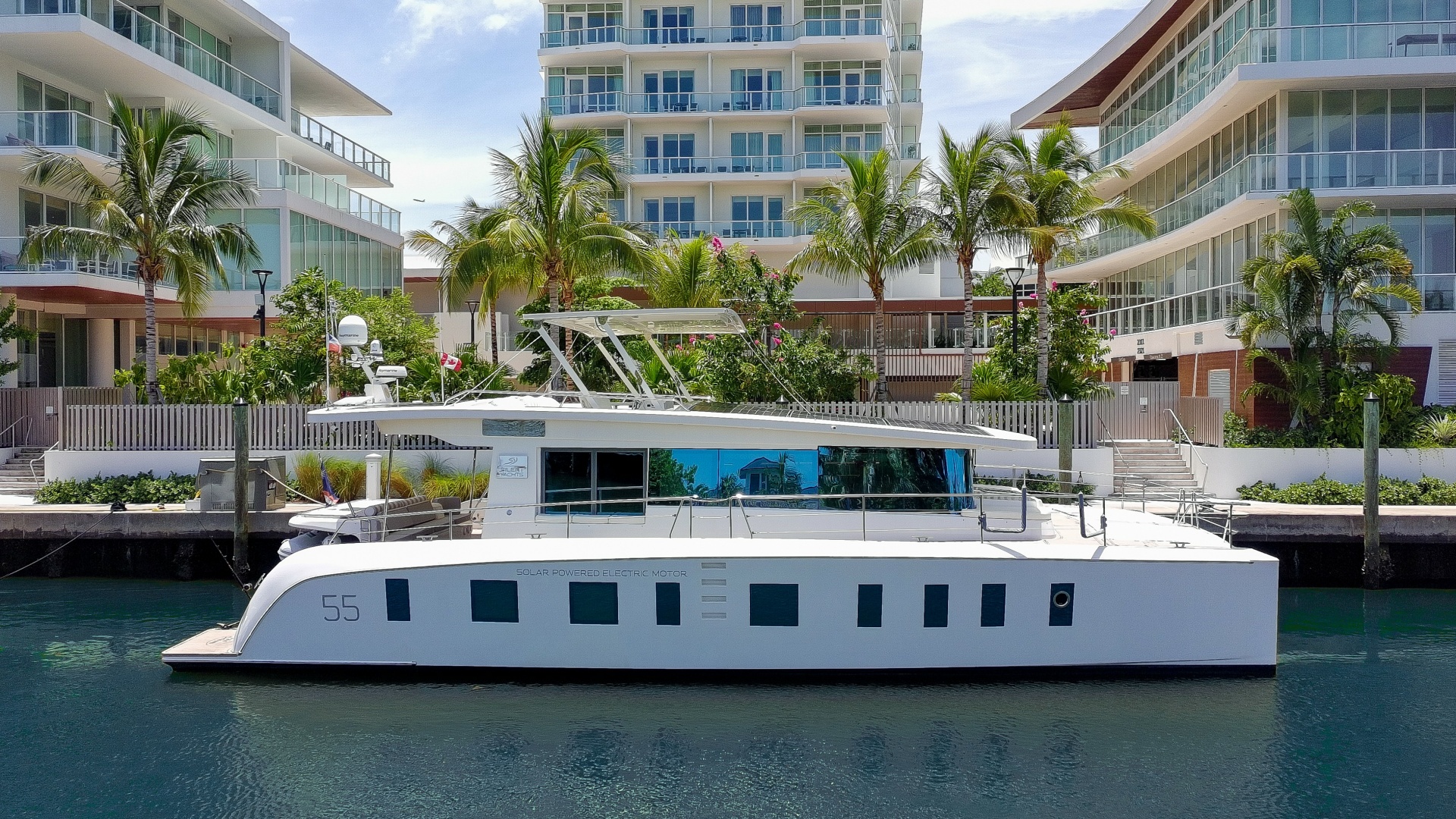
2019 Silent-Yachts Fair Dinkum
$1,599,000
55
Fort Lauderdale Florida

2026 Canados
49
Miami Florida

2026 Buddy Davis
47
Miami Florida
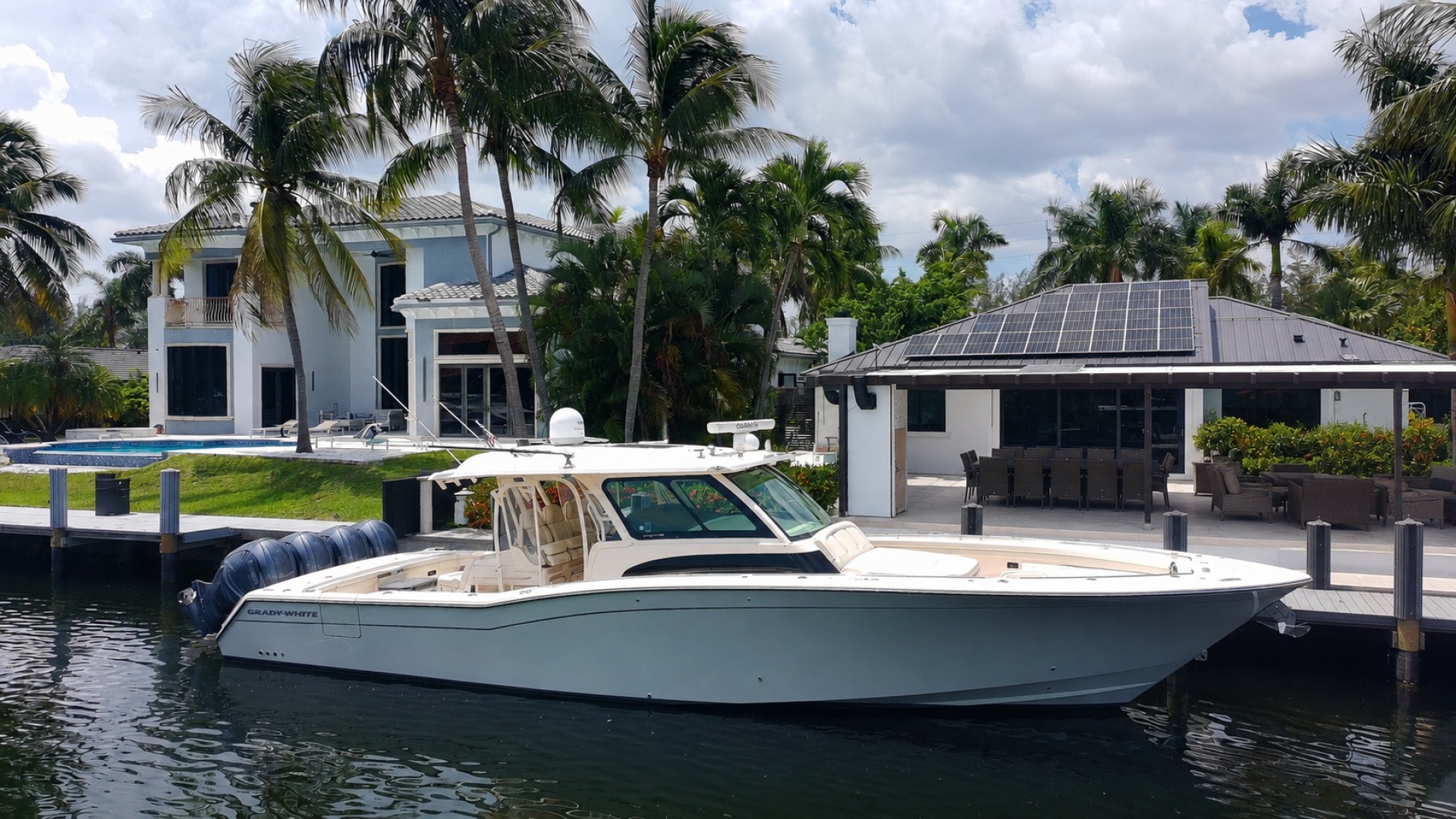
2020 Grady-White No Name
$610,000
45
Hallandale Beach Florida
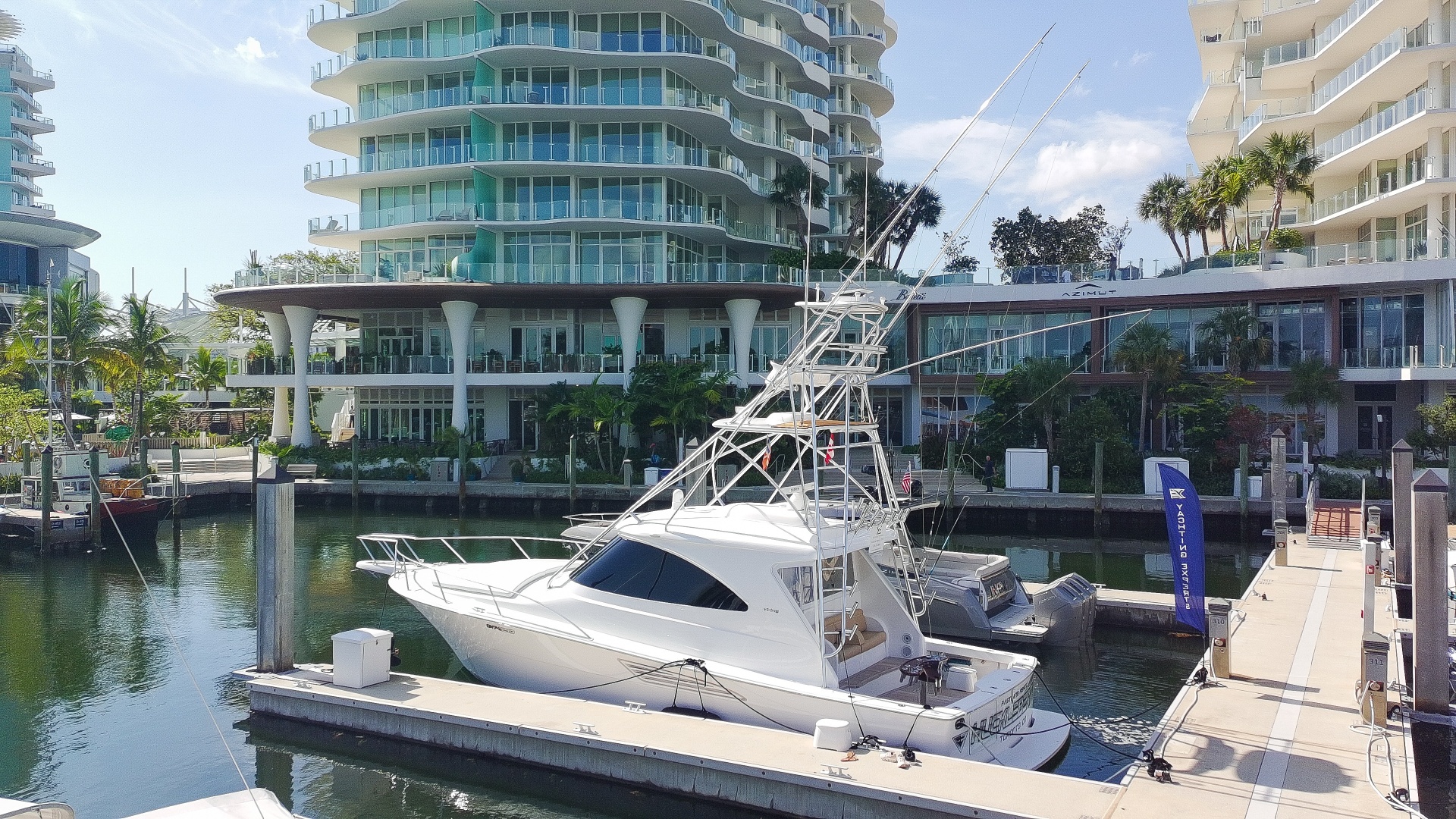
2020 Viking Huckleberry
$1,495,000
44
Fort Lauderdale Florida

2027 Canados
43
Miami Florida
2021 Intrepid Dream Faster
$730,000
40
Coral Gables Florida

2016 Edgewater
$299,000
37
Miami, Florida

2022 Avid
$56,900
23
Stuart Florida
Get your yacht value Estimate
"*" indicates required fields