

Most buyers assume yacht shows are glorified trade fairs where you collect brochures and admire vessels you can’t touch. That assumption costs you real money. Superyacht segment sales surge after major events, with attendance at the 79th Seattle Boat Show climbing 15.5% year over year. These gatherings are where serious deals get started, expert relationships form, and market intelligence flows freely. If you walk in without a strategy, you’re leaving value on the dock. Here’s what smart buyers know, and exactly how to make every minute of your next show count.
Table of Contents
- Build relationships and unlock insider access
- See, touch, and compare yachts side by side
- Negotiation leverage: Timing and strategic preparation
- Post-show impact: How attendance fuels future deals
- What most yacht buyers miss: Beyond brochures and buzz
- Ready to make yacht show insights work for you?
- Frequently asked questions
Key Takeaways
| Point | Details |
|---|---|
| Exclusive networking | Yacht shows connect buyers directly with industry leaders, unlocking access to deals and insider information. |
| Hands-on comparison | Experiencing yachts in person helps buyers make faster, smarter decisions about models and amenities. |
| Strategic negotiation | Attending at the right time and preparing gives buyers leverage to negotiate the best deals. |
| Post-show impact | Connections and learning at yacht shows drive successful follow-up deals and long-term benefits. |
Build relationships and unlock insider access
Yacht shows are the single best place to compress months of relationship-building into a few focused days. You’re not separated from the industry by emails and gatekeepers. You’re standing next to brokers, naval designers, charter managers, and fellow owners all at once. That proximity is rare, and it’s worth treating it as a serious business opportunity.
According to NMMA networking and education data, attending boat shows connects buyers directly with industry professionals, owners, and enthusiasts while delivering structured education through onsite seminars. Those seminars cover topics you genuinely need: maintenance schedules, financing structures, sustainability regulations, and lifestyle planning. They’re not sales pitches. They’re real knowledge from people who live this industry daily.
Here’s what you gain from smart networking at a yacht show:
- Direct broker access: Speak face-to-face with licensed brokers who know showcasing high-end yachts and can surface off-market listings not found online.
- Designer and builder introductions: Talk directly with the people who build the vessels about customization options and lead times.
- Owner conversations: Fellow yacht owners share maintenance realities, charter income figures, and performance insights that no brochure will give you.
- Seminar intelligence: Sessions on topics like yacht insurance in Florida and sustainable propulsion help you ask sharper questions during negotiations.
- Community building: The yachting world is smaller than it looks. Relationships formed at shows translate into referrals, co-ownership opportunities, and long-term partnerships.
“The most valuable conversations we’ve had on behalf of clients didn’t happen at the negotiating table. They happened at a show, dockside, with a cup of coffee and no pressure.”
Pro Tip: Before you walk the docks, review the exhibitor list and identify three to five specific people you want to meet. Approach them with a clear, focused question rather than a generic greeting. You’ll be remembered, and that matters when the follow-up call comes.
If you want to refine your yacht show strategies before attending, our blog breaks down show-specific tactics that keep our clients ahead of casual browsers.
See, touch, and compare yachts side by side
Reading spec sheets is useful. Standing aboard five different 60-foot motor yachts in a single afternoon is transformative. Yacht shows let you experience what no listing photo can communicate: the sound of the engine room, the light in the main saloon, the feel of the helm station, and whether the master cabin actually fits your lifestyle.
This hands-on comparison is the fastest decision-making accelerator available to any serious buyer. When you view luxury yacht examples online, you can appreciate size and style. But only in person do you notice that two vessels with identical specs feel completely different to live aboard.
Here’s what to evaluate when comparing yachts side by side at a show:
- Layout flow: Does the deck-to-cabin transition feel natural? Can you move easily when guests are aboard?
- Finish quality: Look at joinery details, upholstery seams, and fixture quality. These reveal build standards quickly.
- Yacht amenities: Compare galley configurations, tender storage, and entertainment systems across models.
- Engine room access: A clean, accessible engine room signals quality build and easy maintenance.
- Natural light and ventilation: Often overlooked but critical for liveaboard comfort and resale value.
| Yacht show | Location | Avg. buyer attendance | Notable sales activity |
|---|---|---|---|
| Seattle Boat Show 2026 | Seattle, WA | 15.5% YoY increase | Superyacht segment surged |
| Fort Lauderdale International | Fort Lauderdale, FL | 100,000+ attendees | Strong brokerage deal volume |
| Miami International Boat Show | Miami, FL | 100,000+ attendees | High new model launch sales |
| Monaco Yacht Show | Monaco | 35,000+ attendees | Ultra-luxury segment leads |
Stat to know: Seattle 2026 attendance climbed 15.5% year over year, with the superyacht segment outperforming expectations even as broader marine markets softened. That’s buyers showing up ready to act, not just browse.
Negotiation leverage: Timing and strategic preparation
Comparing and experiencing yachts gives you options, but strategic timing and prep give you bargaining power. Most buyers don’t realize that when you visit a yacht show matters almost as much as what you say when you get there.
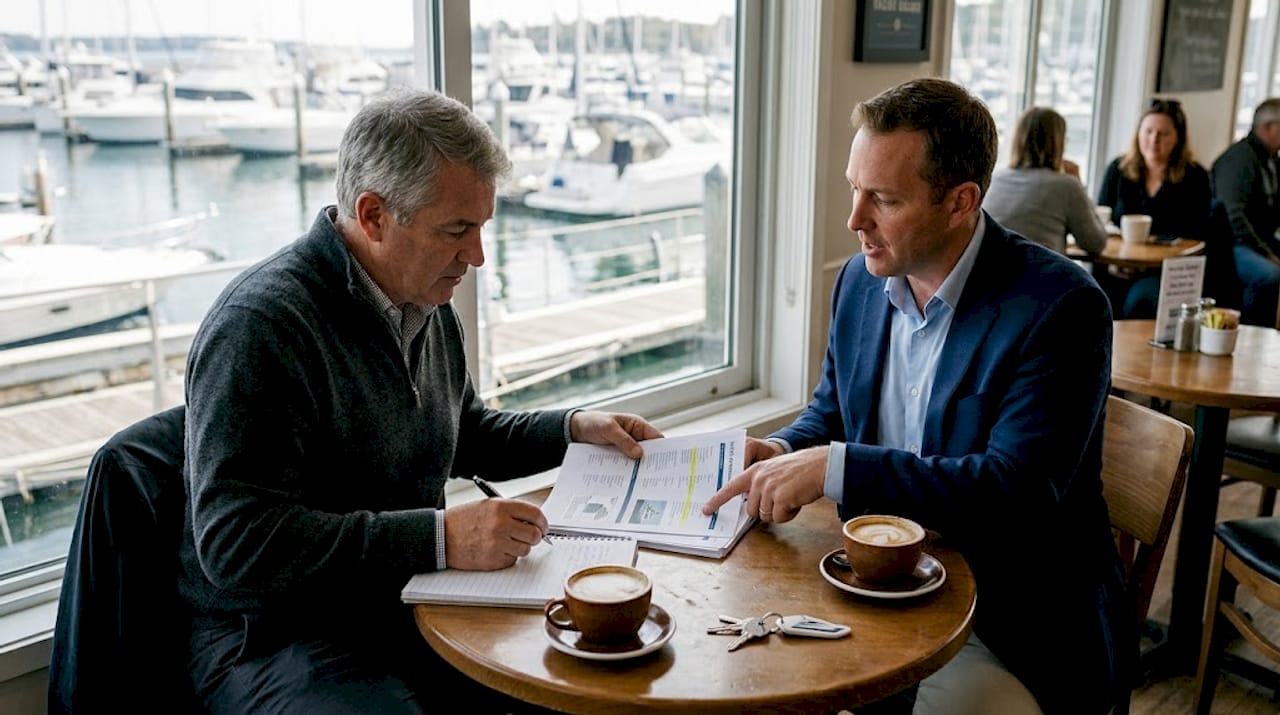
Strategic show timing shows that the first and last days of any yacht show carry unique negotiation advantages. On opening day, sellers are fresh, motivated, and eager to set a positive tone. On the final day, exhibitors face the real cost of transporting unsold inventory back to their yards. That pressure creates flexibility. We’ve seen meaningful price adjustments and added equipment packages secured purely because a buyer showed up at the right moment.
Here’s how to prepare for a productive visit:
- Define your mission: Know exactly what vessel category, size range, and budget you’re targeting before you arrive.
- Build a target list: Review the exhibitor catalog in advance and map out the specific vessels and booths you want to visit.
- Research comparable sales: Know current market pricing for your target models so you can recognize a real deal when you see one.
- Bring documentation: Pre-approval letters, proof of funds, or LLC ownership documents signal serious intent to sellers.
- Take detailed notes: Photo, video, and written observations from multiple vessels help you compare accurately after the show.
| Timing | Advantage | Strategy |
|---|---|---|
| Opening day | Seller motivation is high | Establish contact and express genuine interest |
| Mid-show | Broadest selection available | Compare and narrow your shortlist |
| Final day | Transport cost pressure on sellers | Negotiate price and added extras aggressively |
Pro Tip: If a vessel is being sold dockside at the show itself, ask whether the seller will discount transport fees if you take delivery directly from the marina. This single question has saved buyers thousands of dollars.
For a deeper look at yacht negotiation tactics that work beyond the show floor, our team has put together a full breakdown based on real deal experience.
Post-show impact: How attendance fuels future deals
Once you’ve leveraged networking, hands-on comparisons, and negotiation tactics, the real impact is in the deals and relationships that unfold after the show ends. The show floor closes, but the opportunities don’t.
Post-event sales data consistently shows that robust buyer turnout at major shows fuels a wave of deal activity in the weeks that follow. Conversations started dockside become purchase agreements. Brokers follow up on leads. Financing gets arranged. The show is the spark. The deal closes later.
Here’s how smart buyers convert show attendance into real outcomes:
- Follow up within 48 hours: Contact every broker, designer, or seller you spoke with while the conversation is still fresh and relevant.
- Reference specific vessels: Mention the exact model and configuration you discussed to demonstrate you were paying attention.
- Request private viewings: Many serious transactions happen through yacht sales process steps that begin with a one-on-one sea trial arranged after the show.
- Track market shifts: Shows generate pricing and inventory data you can use for months. Note what sold, what didn’t, and what adjustments sellers made.
- Review insurance needs: As you approach a purchase, understanding insurance trends for buyers in your target market protects your investment from day one.
| Post-show action | Timeline | Expected outcome |
|---|---|---|
| Follow-up outreach | Within 48 hours | Reestablishes relationship and intent |
| Private sea trial request | Within 1 to 2 weeks | Moves deal to serious evaluation phase |
| Financing pre-approval | Before show or immediately after | Speeds closing once terms are agreed |
| Negotiation re-engagement | 2 to 4 weeks post-show | Captures final-price flexibility as sellers reset |
“The buyers who get the best deals aren’t always the ones who negotiate hardest on the dock. They’re the ones who stay in contact after the show and close when the timing is right.”
What most yacht buyers miss: Beyond brochures and buzz
Here’s a perspective we’ve developed after working with buyers at shows around the world: passive attendance almost never yields results. We watch buyers walk the docks, collect materials, smile politely at exhibitors, and leave without a single meaningful commitment or follow-up plan. They got the experience. They didn’t get the deal.
The buyers who win at yacht shows treat them like working sessions, not leisure events. They ask uncomfortable questions. They document every vessel’s condition and pricing signals. They introduce themselves to the same broker twice if they have to. And critically, they follow up with intention. The hidden value in any yacht show is not in what’s displayed on the deck. It’s in the brokerage advantages that emerge from the relationships you build and nurture after you leave the marina.
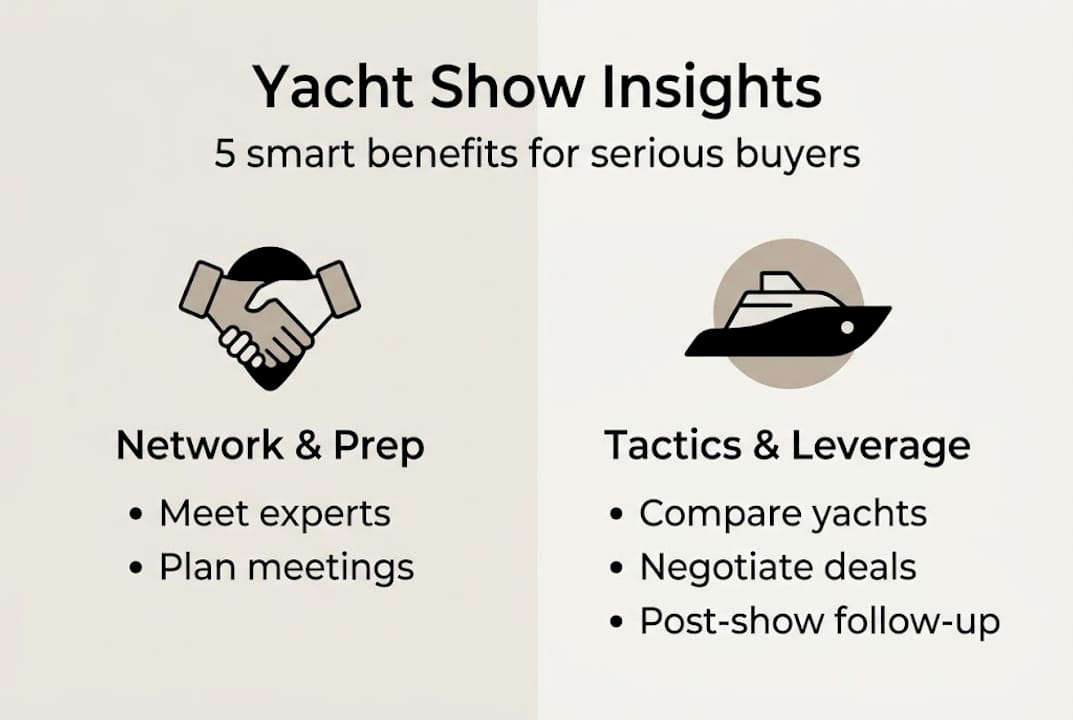
If you walk away from a show with only memories and brochures, you’ve left real money behind. Build a system, and the show becomes a launchpad.
Ready to make yacht show insights work for you?
You now have the strategic framework to turn any yacht show into a genuine investment opportunity. But knowing what to do and executing it with expert support beside you are two very different things.

At Yachting Experts, we go to shows with our clients, helping them identify vessels, initiate conversations, and negotiate with confidence. Whether you’re exploring the role of a yacht broker for the first time or ready to act on a specific vessel, our team is here to simplify every step. Dive into our yacht brokerage guide to understand how the process works, or explore how charter profit strategies can offset your ownership costs from day one. This is your moment. Let’s make it count.
Frequently asked questions
Do yacht shows actually lead to sales?
Yes. Strong buyer turnout drives sales at major shows, with the superyacht segment outperforming broader market trends and robust post-event deal activity confirmed across multiple events.
What is the best day to attend for negotiation?
Early and late days offer the strongest negotiation leverage. Opening day captures motivated sellers, while the final day creates transport-cost pressure that leads to real price flexibility.
Are educational seminars valuable for buyers?
Absolutely. Seminars cover maintenance, finance, sustainability, and lifestyle topics that equip buyers to ask sharper questions and make more informed purchase decisions.
How do networking opportunities help at yacht shows?
Networking builds relationships with brokers, owners, and high-net-worth individuals, giving you access to off-market deals, insider pricing intelligence, and long-term industry connections.
Recommended
Request A Call
Featured Listings

2027 Canados
100
Miami Florida

2015 Maiora
$3,750,000
90
Miami Florida

2027 Canados
57
Miami Florida
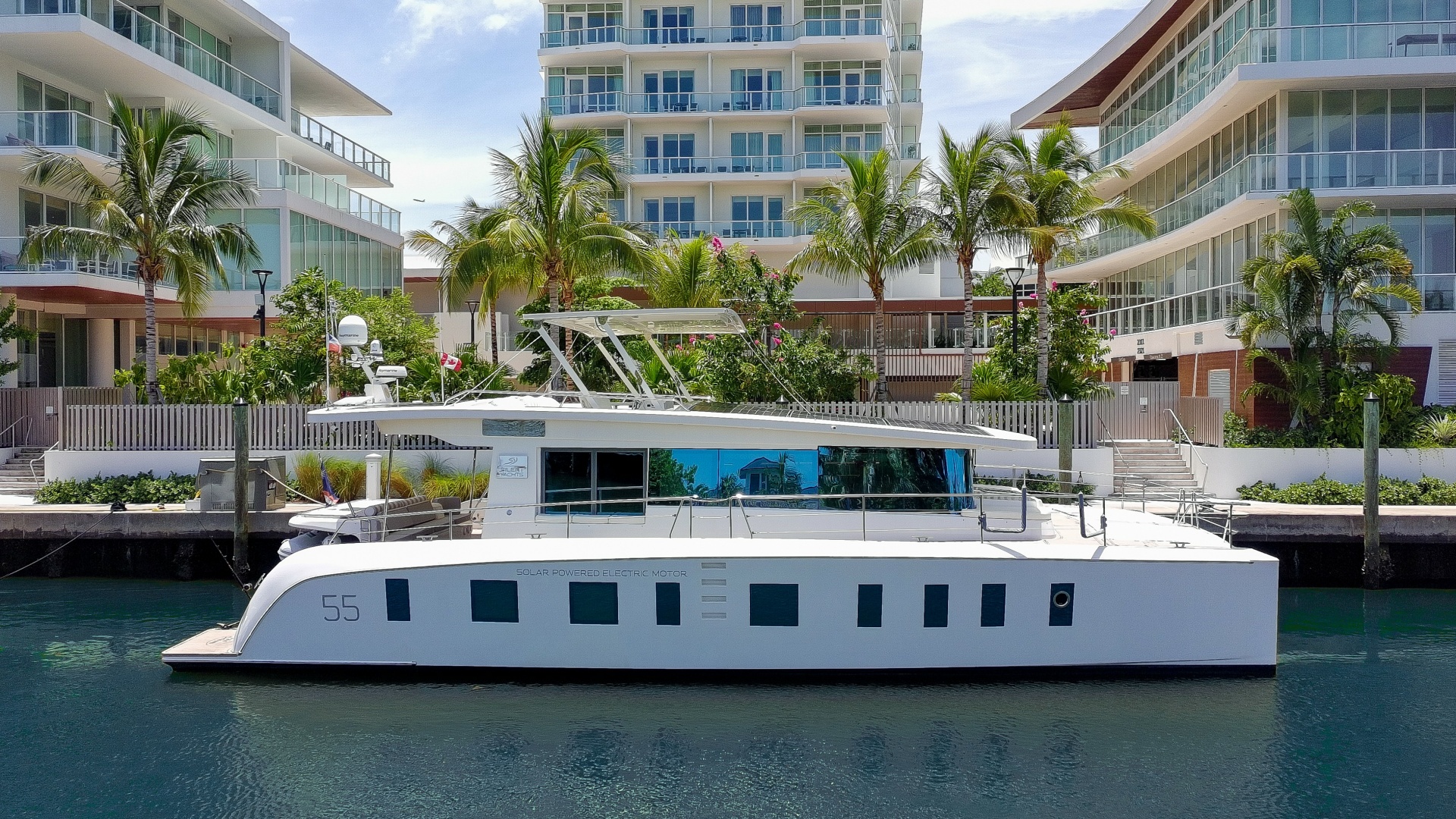
2019 Silent-Yachts Fair Dinkum
$1,599,000
55
Fort Lauderdale Florida

2026 Canados
49
Miami Florida

2026 Buddy Davis
47
Miami Florida
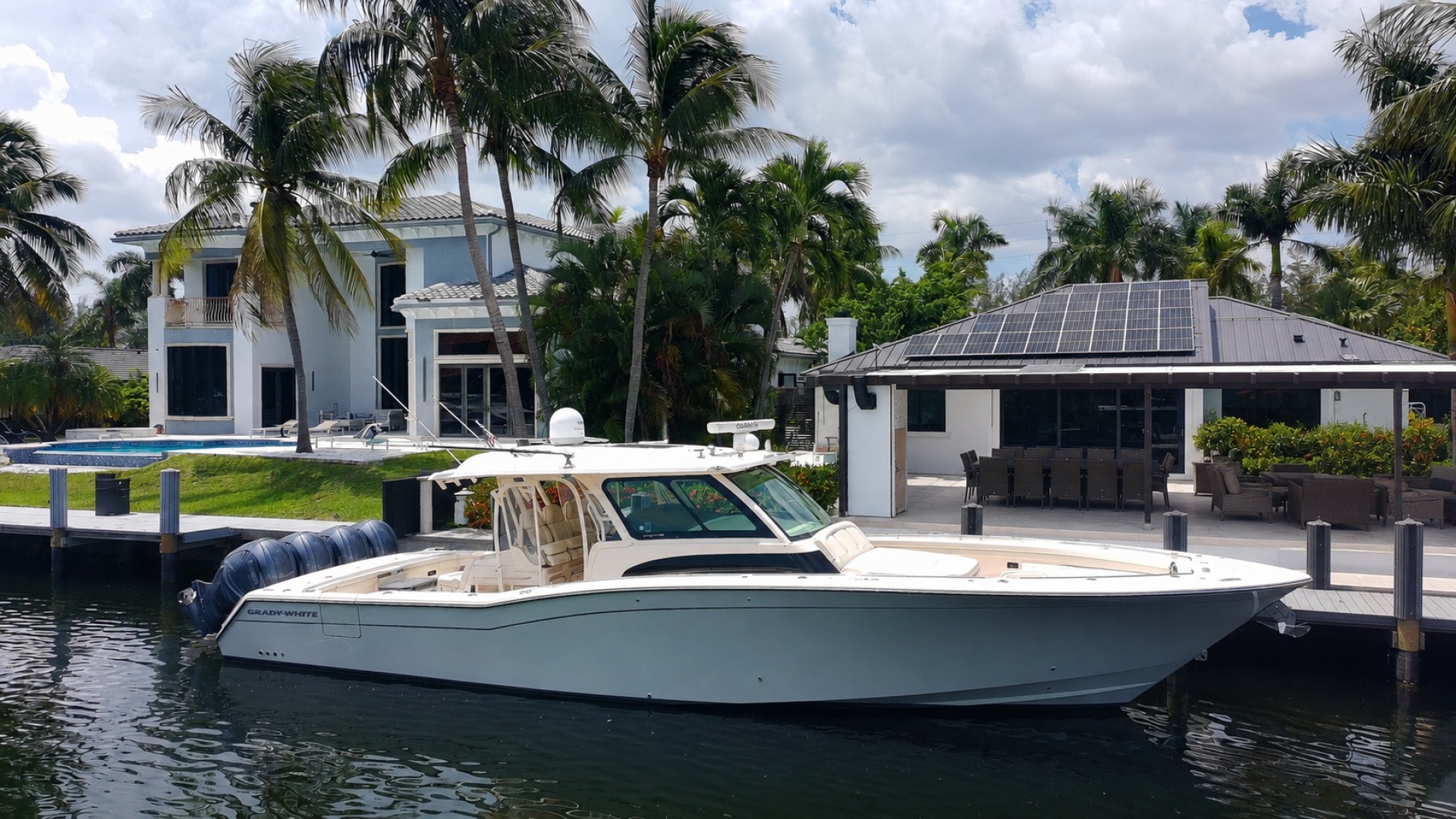
2020 Grady-White No Name
$610,000
45
Hallandale Beach Florida
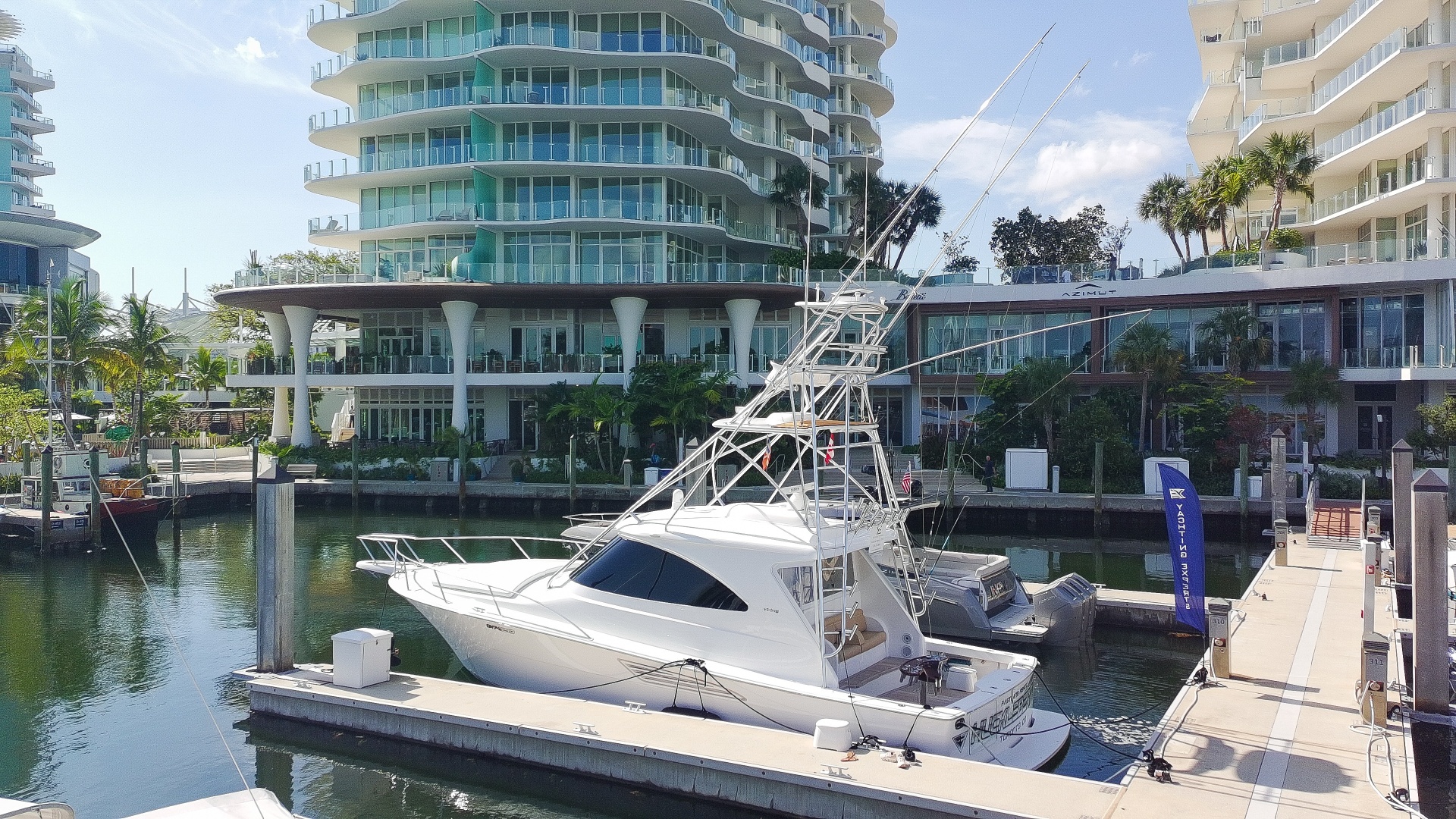
2020 Viking Huckleberry
$1,495,000
44
Fort Lauderdale Florida

2027 Canados
43
Miami Florida
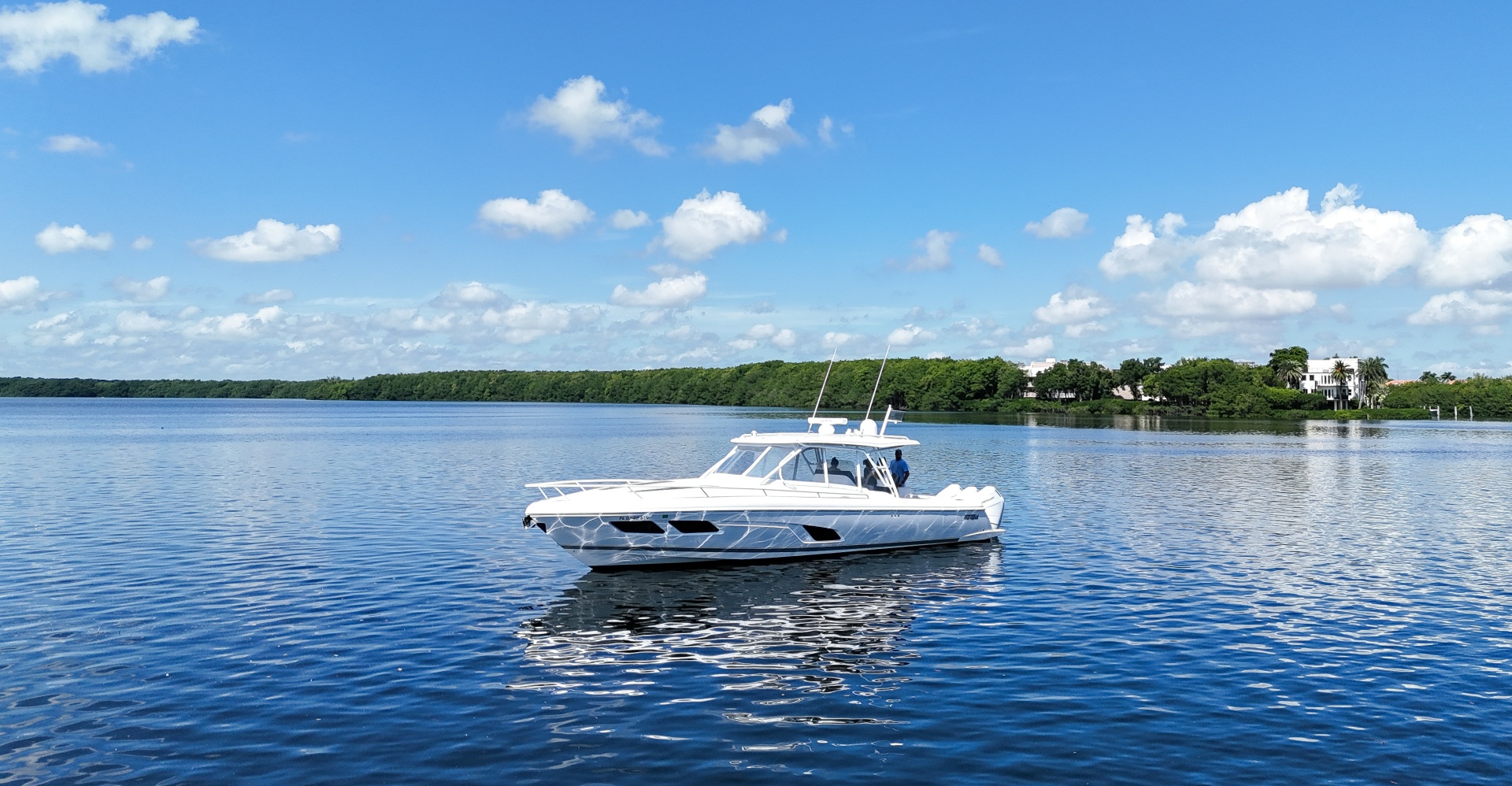
2021 Intrepid Dream Faster
$730,000
40
Coral Gables Florida

2016 Edgewater
$299,000
37
Miami, Florida

2022 Avid
$56,900
23
Stuart Florida
Get your yacht value Estimate
"*" indicates required fields