

Buying your first yacht in Florida is exciting, but the process can quickly become overwhelming with so many choices, hidden costs, and technical details. From setting realistic financial goals to understanding what makes a vessel comfortable for long adventures, each decision affects your satisfaction and long-term investment. Without a clear plan, you risk costly mistakes that could turn your dream into a disappointment.
This guide unlocks proven strategies for choosing the right yacht—with practical tips on defining your goals, budgeting, and evaluating all the features that matter most. You’ll discover expert insights that keep you confident at every step, whether you’re assessing comfort, controlling ownership expenses, or navigating complex paperwork. Learn which steps protect your wallet and help you buy a yacht you’ll love for years to come.
Table of Contents
- 1. Define Your Yachting Goals And Budget
- 2. Select The Right Yacht Size And Style
- 3. Inspect Essential Yacht Features For Comfort
- 4. Review Ownership Costs And Maintenance
- 5. Arrange Expert Surveys And Sea Trials
- 6. Complete Paperwork And Secure Financing
Quick Summary
| Takeaway | Explanation |
|---|---|
| 1. Define your goals and budget | Understand what you want from yachting and what you can afford to avoid financial surprises. |
| 2. Choose the right size and style | Select a yacht that fits your lifestyle and intended use to enhance your experience. |
| 3. Inspect key comfort features | Evaluate comfort elements such as climate control and noise levels to ensure enjoyable outings. |
| 4. Know the total ownership costs | Factor in all recurring expenses like maintenance and insurance to budget accurately. |
| 5. Conduct professional surveys and sea trials | Hire experts to verify a yacht’s condition and performance to prevent costly mistakes before buying. |
1. Define Your Yachting Goals and Budget
Before you start yacht shopping, you need clarity on two critical questions: What do you want from yachting, and what can you realistically spend? These answers form the foundation of your entire buying journey.
Your yachting goals shape everything else. Are you planning weekend fishing trips with friends, extended cruises to the Bahamas, or entertaining business associates? Each scenario requires a different boat.
A sport fishing yacht requires different features than a cruising catamaran. Your lifestyle determines the vessel type that makes sense.
Budgeting is far more than just knowing a purchase price. Setting specific, measurable financial goals helps you understand what you can afford both now and throughout ownership.
Yacht ownership involves multiple layers of costs beyond the purchase price:
- Purchase price and financing costs
- Annual insurance premiums
- Dockage and mooring fees
- Fuel and operational expenses
- Routine maintenance and repairs
- Crew expenses (if applicable)
- Registration and documentation fees
Your budget must account for ongoing costs, not just the price tag—many first-time buyers underestimate annual ownership expenses by 30 to 50 percent.
Start by reviewing your financial picture honestly. What percentage of your liquid assets can you comfortably invest without affecting your lifestyle or emergency reserves? Most financial advisors suggest boat purchases should not exceed 10 percent of your net worth.
Next, calculate realistic annual operating costs. Budgeting and cost-value analysis provide a financial forecast covering maintenance, operations, and investment worth. A 40-foot yacht typically costs $8,000 to $15,000 annually to operate, depending on usage and location.
Talk with experienced yacht owners in Florida. Their real numbers will educate you faster than any estimate online.
Pro tip: Write down your three primary yachting goals and estimated annual budget, then research whether those goals align with that budget—you may need to adjust one or the other before moving forward.
2. Select the Right Yacht Size and Style
Size and style determine how your yacht performs, how comfortable you’ll be, and whether it matches your lifestyle. Getting this decision right separates buyers who love their purchase from those who regret it.
Yacht size ranges from 25-foot day cruisers to 200-foot superyachts. Your intended use drives the ideal size for your needs.
Are you planning to anchor in shallow Florida coves? A 35-foot center console works beautifully. Want to cruise the Caribbean for weeks? You’ll need a larger vessel with better range and accommodations.
Different yacht types serve distinct purposes like sport fishing, cruising, and entertaining. Understanding these categories helps you identify what truly fits your lifestyle.
Key style categories include:
- Sport fishing yachts (designed for deep-sea fishing with fighting chairs and tackle storage)
- Motor yachts (emphasis on speed, comfort, and leisure cruising)
- Sailing yachts (rely on wind power with varying crew requirements)
- Cabin cruisers (focus on sleeping accommodations and galley comfort)
- Catamarans (dual-hull design offering stability and living space)
Yacht design principles reveal how hull geometry, materials, and layout impact performance and comfort. A well-designed yacht balances speed, fuel efficiency, stability, and livability.
The right size feels spacious when you’re aboard but remains manageable for docking and operation in Florida waters.
Consider practical ownership factors beyond aesthetics. Larger yachts demand more fuel, higher insurance, and bigger crew needs. Smaller vessels cost less to operate but may limit your cruising comfort.
Think about your actual usage patterns. Will you take week-long trips or mostly day outings? How many guests typically join you? Does your crew experience matter?
Visit boat shows and tour models in your size range. Stepping aboard different styles reveals what feels right for your personality and preferences.
Pro tip: Rent a yacht in your target size and style for a weekend to experience real-world operation before buying, ensuring the boat truly matches your yachting dreams.
3. Inspect Essential Yacht Features for Comfort
Comfort separates a pleasant yachting experience from a miserable one. Before you commit to purchasing, you need to evaluate the spaces where you’ll spend your time on the water.
Yacht comfort extends beyond nice furniture and décor. It encompasses cabin temperature control, noise levels, ventilation, and how the vessel handles motion on the water.
Spend time in the main cabin, guest staterooms, and galley. Sit in the captain’s chair and imagine spending hours there during a cruise.
Critical comfort features to inspect include:
- Climate control systems that cool or heat efficiently
- Adequate natural light and ventilation throughout cabins
- Ergonomic seating that supports your back during long hours
- Quiet engine rooms that don’t transmit excessive vibration
- Hot water systems with strong water pressure
- Well-designed galleys with sufficient counter and storage space
- Sleeping berths with quality mattresses and adequate headroom
Yacht comfort standards address vibration and noise levels in owner and guest spaces. High vibration or noise significantly diminishes your enjoyment.
Ask the seller to run the engines so you can experience noise levels firsthand. Walk through cabins while engines are operating at cruising speed.
True comfort combines well-designed spaces, reliable systems, and minimal noise and vibration during operation.
Check that all systems actually work properly. Open every cabinet, test every faucet, and verify air conditioning operates smoothly. A broken shower or malfunctioning galley refrigerator becomes a major inconvenience on the water.
Inspect cabin storage carefully. You’ll accumulate gear, provisions, and personal items during cruises. Insufficient storage creates frustration quickly.
Test all windows and portholes for proper sealing and smooth operation. Water leaks inside cabins cause mold, odors, and structural damage.
The galley deserves special attention since meal preparation happens there daily. Check the stove, oven, refrigerator, and freezer capacity for your needs.
Pro tip: Schedule your inspection visit during warm afternoon hours and request the owner to have the air conditioning off so you can experience how naturally cool or hot the interior spaces become.
4. Review Ownership Costs and Maintenance
The sticker price on a yacht is just the beginning. Hidden ownership costs catch most first-time buyers by surprise, turning an exciting purchase into a financial burden.
Understanding total cost of ownership separates smart buyers from regretful ones. You need a realistic picture of what you’ll actually spend annually to keep your yacht operational and valuable.
Annual ownership expenses typically include multiple categories that add up quickly. Fuel costs alone can range from $3,000 to $20,000 annually depending on engine size and usage.
Your major ongoing expenses break down as follows:
- Dockage and mooring fees (varies by location and vessel size)
- Fuel and oil consumption
- Insurance premiums
- Annual maintenance and inspections
- Engine servicing and oil changes
- Bottom cleaning and haul-outs
- Electrical system repairs and replacements
- Plumbing and water system maintenance
- Crew or captain expenses
Preventive maintenance frameworks help owners control costs over your yacht’s lifecycle. Staying on top of routine maintenance prevents expensive emergency repairs.
Request the seller’s maintenance records for the past five years. These documents reveal what systems required repair and how much was spent.
Regular maintenance now prevents catastrophic failures later that cost tens of thousands of dollars.
Ask the seller to provide itemized lists of all repairs completed in the past three years. This shows you exactly what breaks on this specific model and what it costs to fix.
Routine inspections and adherence to safety standards protect your investment and reduce unexpected costs. Well-maintained yachts hold their value better than neglected ones.
Budget for a professional marine survey before purchase. A $1,000 to $2,000 survey investment now prevents buying a boat with hidden problems costing $50,000 to repair.
Dockage in popular Florida locations costs $50 to $200 monthly depending on size and location. Research actual rates in areas where you plan to keep your yacht.
Insurance varies widely based on vessel value, age, and your experience level. Expect to pay 1 to 3 percent of your yacht’s value annually for comprehensive coverage.
Pro tip: Create a detailed spreadsheet comparing total annual ownership costs for each yacht you’re considering, including dockage, insurance, fuel, and anticipated maintenance, so you can make an informed financial decision.
5. Arrange Expert Surveys and Sea Trials
Never buy a yacht based on seller claims or your gut feeling alone. Professional surveys and sea trials reveal what a boat can actually do and what problems hide beneath the surface.
A marine survey is your protection against costly surprises. Qualified surveyors conduct thorough inspections that identify structural issues, equipment failures, and safety concerns before you commit your money.
Marine surveys evaluate yacht condition through visual inspections and operational testing. This impartial assessment guides your negotiation and purchase decisions.
A comprehensive pre-purchase survey covers multiple critical areas:
- Hull integrity and signs of osmosis or corrosion
- Deck condition and potential water intrusion points
- Engine and mechanical systems functionality
- Electrical systems and battery capacity
- Plumbing and fresh water systems
- Navigation and safety equipment
- Interior conditions and structural soundness
- Rigging and sail condition (for sailing vessels)
Detailed survey checklists detect issues like osmosis, corrosion, and leakage. These hidden problems can cost $10,000 to $50,000 to repair after purchase.
Hire an accredited marine surveyor with specific experience in your yacht type. A surveyor familiar with sport fishing yachts differs from one experienced with cruising sailboats.
A professional survey costs $1,500 to $3,000 but prevents buying a vessel with $100,000 in hidden damage.
Sea trials test how the vessel performs under real operating conditions. You’ll experience engine performance, steering responsiveness, and how the boat handles in various sea states.
Schedule your sea trial for at least four hours. Test the yacht at different speeds and in varied conditions if possible.
During your sea trial, evaluate these factors:
- Engine reliability and smooth operation at various RPMs
- Steering responsiveness and ease of maneuvering
- Stability and comfort in turns and waves
- Fuel consumption at cruising speed
- Noise and vibration levels at different speeds
- Air conditioning and ventilation effectiveness
- Navigation system accuracy and ease of use
- All systems operation during real-world use
Bring the surveyor along on your sea trial if possible. They can assess performance issues and confirm mechanical condition while the engines run.
Review the survey report thoroughly before finalizing your purchase. Use any identified defects as negotiation leverage for price reductions or repairs.
Pro tip: Request that the seller agree to address any major survey findings before closing, or build repair costs into your negotiating position to protect your investment.
6. Complete Paperwork and Secure Financing
You’re in the home stretch, but paperwork and financing are where deals actually close. Rushing through documentation or misunderstanding loan requirements can derail your yacht purchase at the final moment.
Proper financing structures protect your investment and lock in favorable terms. Understanding your options before signing contracts gives you negotiating power and clarity.
Marine mortgages function similarly to home mortgages under maritime law. Larger yachts meeting federal documentation requirements can secure preferred ship mortgages with strong legal protections.
Key financing considerations include:
- Down payment requirements (typically 10 to 20 percent)
- Loan term length (usually 10 to 20 years)
- Interest rates based on creditworthiness
- Vessel documentation requirements
- Ownership citizenship rules
- Insurance requirements as loan conditions
Start the financing process early, even before you find your yacht. Getting pre-approved shows sellers you’re a serious buyer and accelerates closing once you find the right vessel.
Clear financing arranged before purchase prevents emotional decisions and ensures you can actually afford the boat you love.
Yacht paperwork is far more complex than a typical car purchase. You’ll need multiple documents to complete the transaction and transfer ownership properly.
Essential purchase documentation includes sales agreements, bills of sale, and builder’s certificates. These contracts safeguard both buyer and seller interests with clear terms and deposit conditions.
You’ll typically need:
- Purchase agreement with clear terms and contingencies
- Bill of sale transferring ownership
- Vessel documentation or title transfer
- Insurance binders confirming coverage
- Survey report and sea trial results
- Financing approval letters
- Inspection certifications and warranties
- Coast Guard documentation (for federally documented vessels)
Hire a marine attorney to review all contracts before signing. The $500 to $1,000 legal fee prevents costly mistakes in complicated maritime transactions.
Ensure your purchase agreement includes contingencies for survey findings, sea trial results, and financing approval. These protective clauses give you exit opportunities if problems arise.
Verify that all liens and previous mortgages are satisfied and properly discharged. You don’t want to inherit debt from the previous owner.
Confirm vessel documentation status and that the seller has clear title to transfer. Federal documentation and state registration requirements vary by vessel size and use.
Pro tip: Have your marine attorney review the financing terms and all paperwork simultaneously so legal protections align with your loan conditions and purchase timeline.
Below is a comprehensive table summarizing the key points and recommendations discussed in the article regarding purchasing and maintaining a yacht.
| Aspect | Details | Key Considerations |
|---|---|---|
| Define Yachting Goals | Consider the purpose, such as fishing, cruising, or entertaining, and assess a realistic budget including upfront and ongoing costs. | Goals dictate yacht type; budget should include maintenance, insurance, and operational expenses. |
| Select Yacht Size & Style | Choose based on intended use and lifestyle, from day cruising to long voyages, and decide on a suitable style, such as motor yachts or catamarans. | Balances comfort, functionality, and operational manageability for intended use. |
| Inspect Comfort Features | Evaluate living spaces, climate control, noise levels, and galley usability. | Comfort greatly enhances the yachting experience and includes functional systems and accommodations. |
| Review Ownership Costs | Understand recurring expenses like dockage, fuel, insurance, and maintenance. | Preventive maintenance reduces unexpected costs; budgeting forecasts are essential. |
| Conduct Surveys & Trials | Hire professionals for pre-purchase surveys and sea trials to identify potential issues and assess performance. | Protects investment; findings from surveys can guide negotiations or repairs. |
| Complete Paperwork & Finance | Secure proper documentation, financing, and legal review before finalizing the purchase. | Establishes clear ownership conditions and mitigates legal risks through well-structured contracts and agreements. |
This table encapsulates the major considerations and steps necessary for an informed yacht ownership journey, aligning goals, finances, and operational expectations.
Navigate Your Yacht Purchase with Confidence Using Yachting Experts
Buying a yacht in Florida for the first time comes with many challenges from defining clear yachting goals to mastering the complexities of financing and paperwork. This article highlights crucial pain points such as understanding total ownership costs, selecting the right yacht size and style, and ensuring comfort through thorough inspection. Tackling these steps can feel overwhelming but you do not have to face them alone.
Our team offers a high-touch, personalized approach that aligns perfectly with your detailed yacht buying journey. From helping you set realistic budgets and identifying vessels that fit your lifestyle to coordinating expert surveys and sea trials, we are dedicated to making your investment simpler and stress free. Discover how our passion and attention to detail set us apart by visiting Uncategorized – Jason for insider tips and client stories.

Ready to turn your yachting dreams into reality without the usual worries? Connect with the experts at Yachting Experts today and let us guide you through every step with confidence and care. Explore success stories like our latest New Team Member – Jason who embodies our commitment to client satisfaction. Your perfect yacht awaits, and now is the time to take the leap.
Frequently Asked Questions
What should my yachting goals be before buying?
To determine your yachting goals, consider how you plan to use the yacht, such as for fishing, cruising, or business entertaining. Make a list of your top three activities and assess whether your budget aligns with these goals.
How do I establish a realistic budget for yacht ownership?
Create a comprehensive budget that includes not just the purchase price but also annual costs like insurance, fuel, maintenance, and docking fees. For example, aim to allocate 10% of your net worth for the purchase and research typical annual operating expenses, which can range from $8,000 to $15,000 for a 40-foot yacht.
What size yacht should I consider for my needs?
Identify the appropriate yacht size based on how many people you’ll typically accommodate and the types of trips you plan to take. For example, a 35-foot center console works well for day trips, while a larger yacht is better suited for extended cruising.
How can I assess the comfort features of a yacht?
Evaluate essential comfort features such as climate control, noise levels, and cabin ventilation before finalizing your purchase. Spend time in different areas of the yacht during your inspection to ensure that the layout and amenities meet your comfort requirements.
What costs should I expect after purchasing a yacht?
Prepare for a variety of ongoing costs, including dockage, insurance, maintenance, and fuel. For instance, you could budget for $3,000 to $20,000 in fuel costs annually, depending on how you use the yacht.
Why is it important to conduct sea trials and expert surveys?
Conducting a sea trial allows you to test the yacht’s performance in real conditions, while a professional survey identifies any hidden issues. Schedule both a survey and sea trial to provide you with critical information that can affect your purchase decision.
Recommended
Request A Call
Featured Listings

2027 Canados
100
Miami Florida

2015 Maiora
$3,750,000
90
Miami Florida

2027 Canados
57
Miami Florida
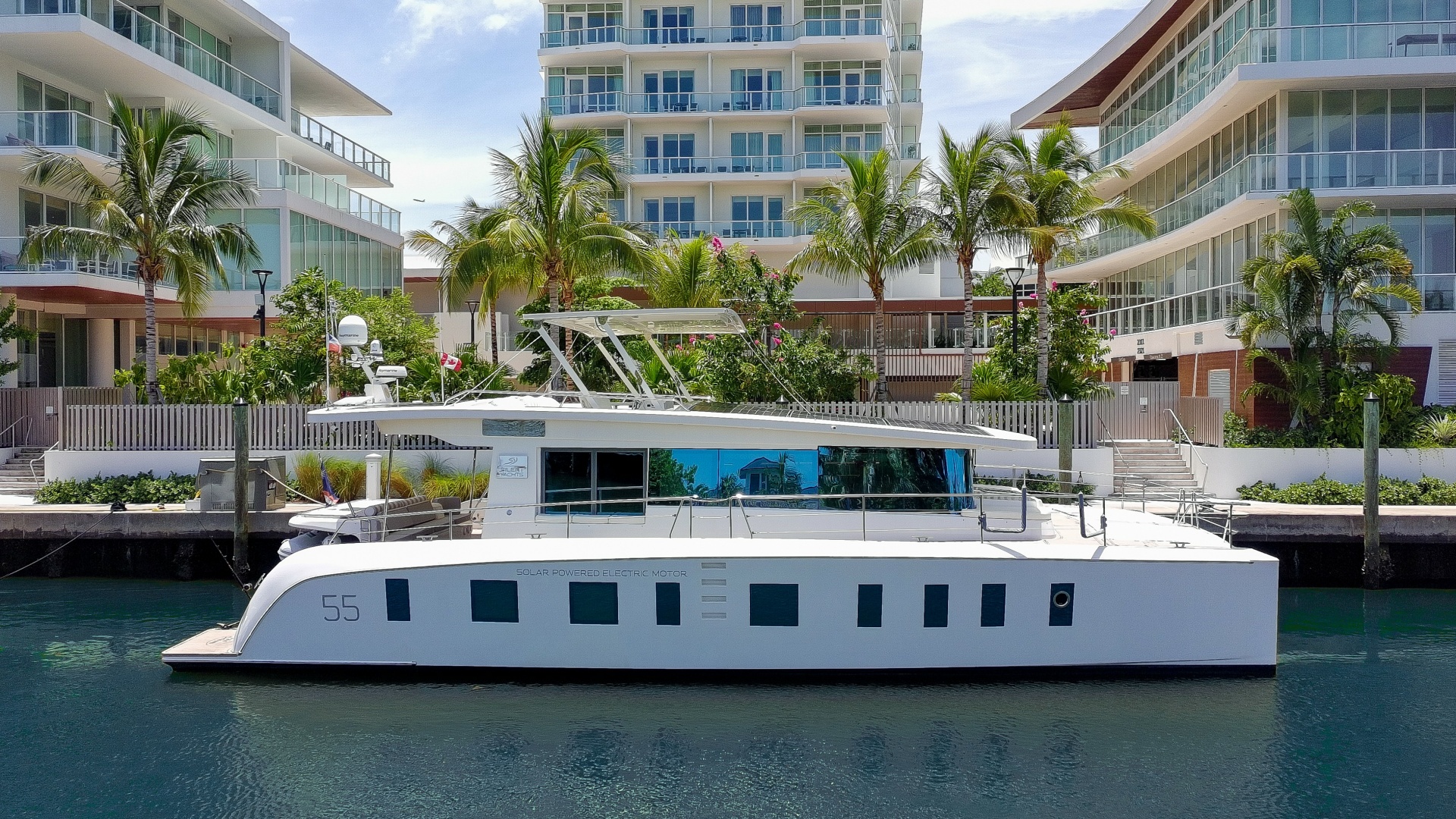
2019 Silent-Yachts Fair Dinkum
$1,599,000
55
Fort Lauderdale Florida

2026 Canados
49
Miami Florida

2026 Buddy Davis
47
Miami Florida
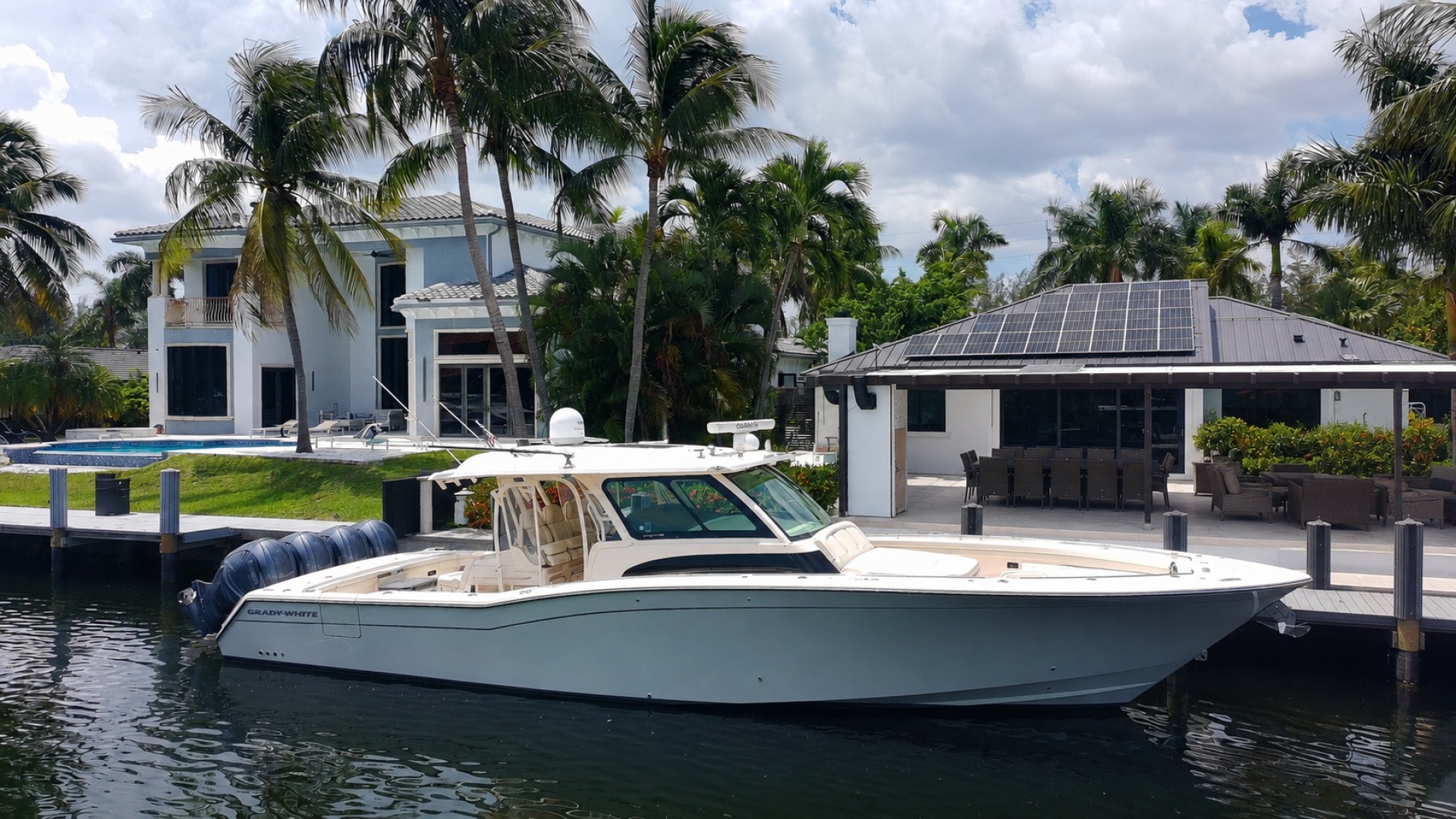
2020 Grady-White No Name
$610,000
45
Hallandale Beach Florida
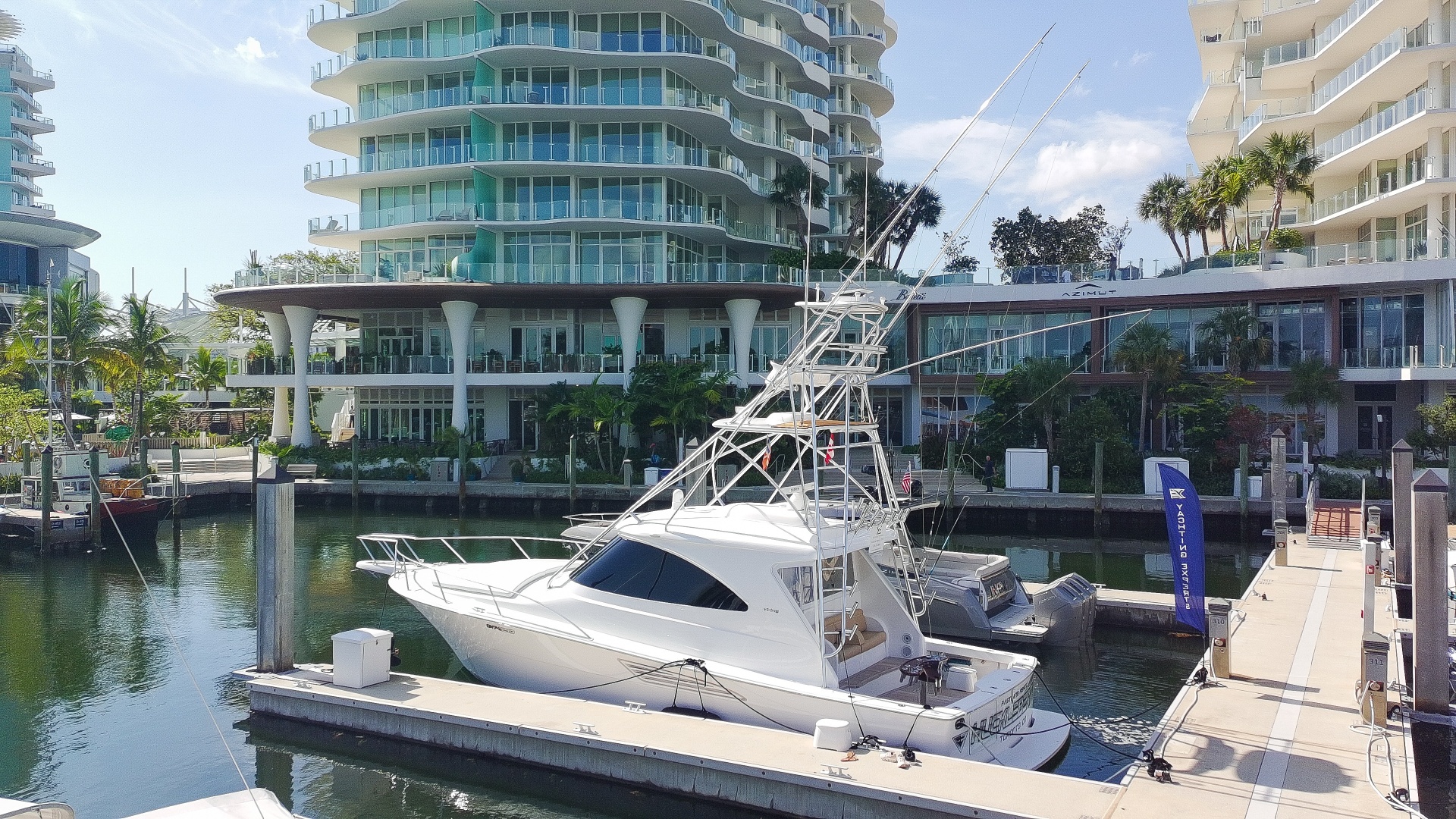
2020 Viking Huckleberry
$1,495,000
44
Fort Lauderdale Florida

2027 Canados
43
Miami Florida
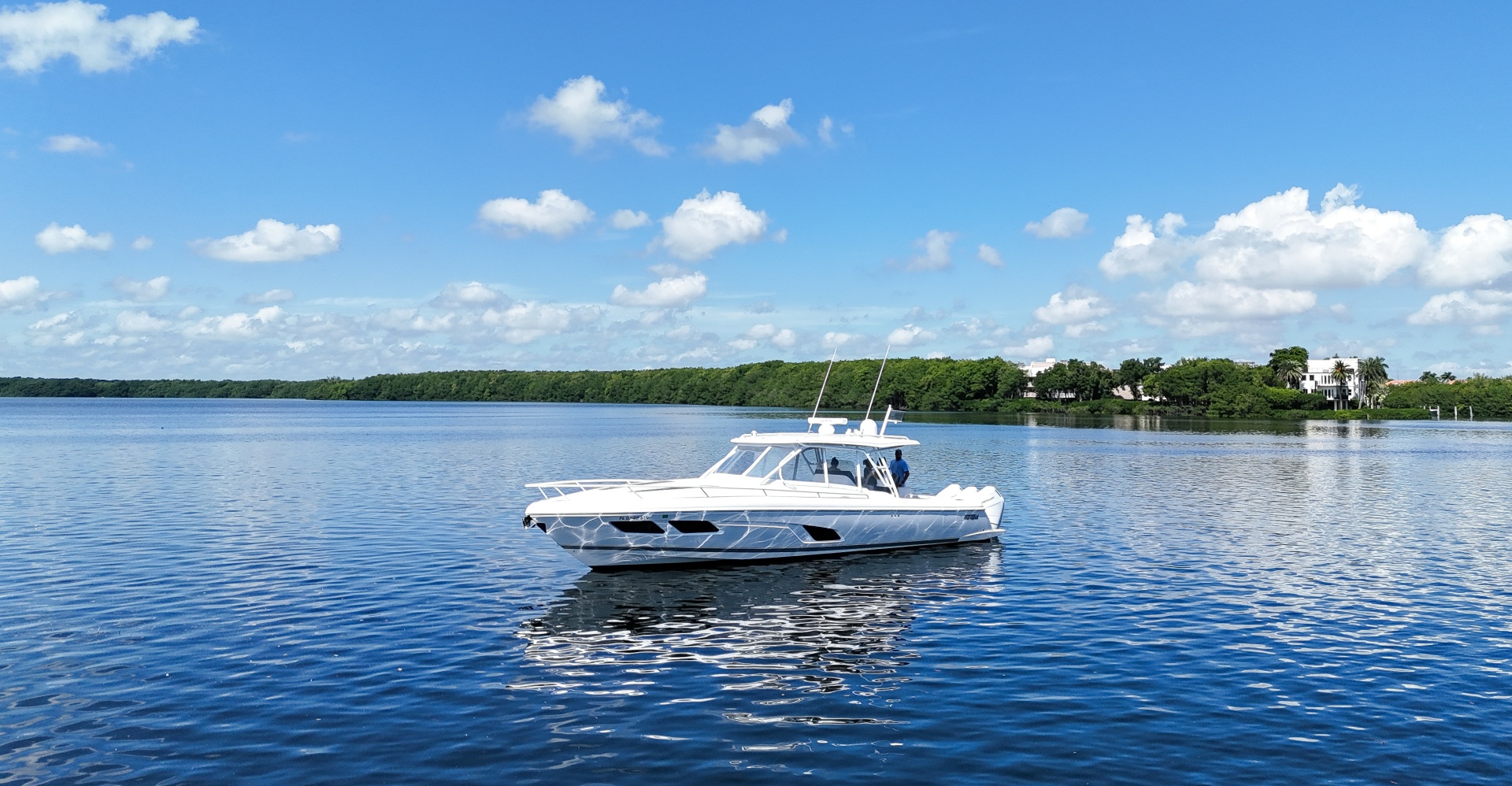
2021 Intrepid Dream Faster
$730,000
40
Coral Gables Florida

2016 Edgewater
$299,000
37
Miami, Florida

2022 Avid
$56,900
23
Stuart Florida
Get your yacht value Estimate
"*" indicates required fields